


Lyon
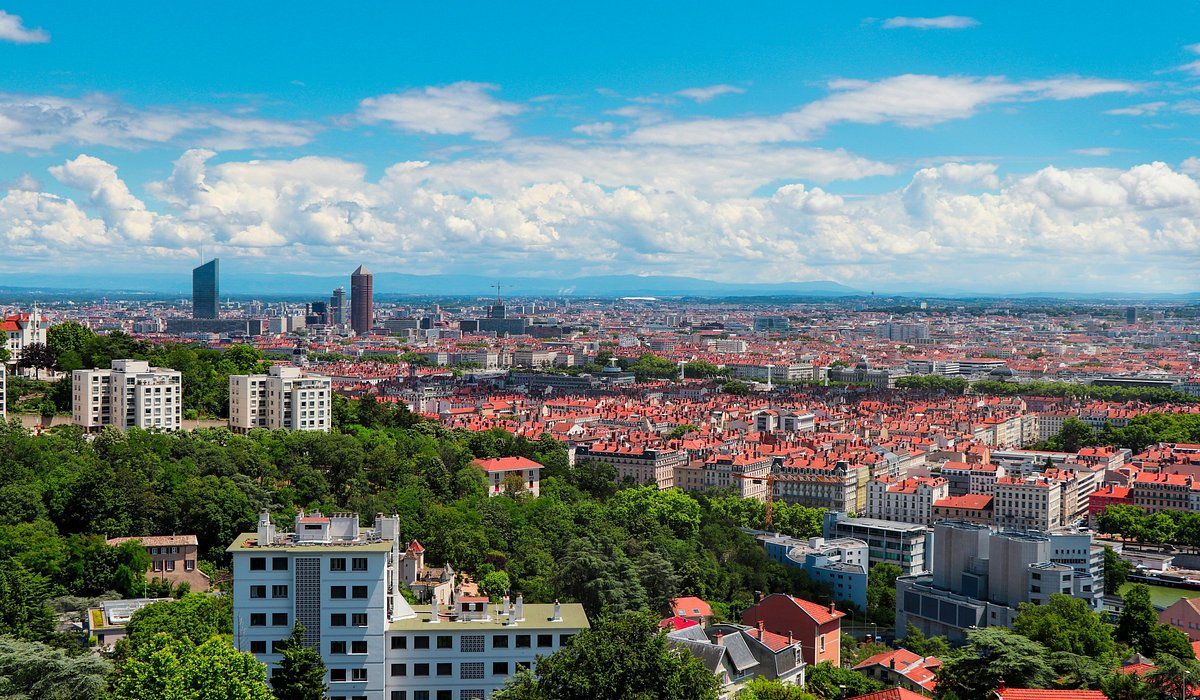
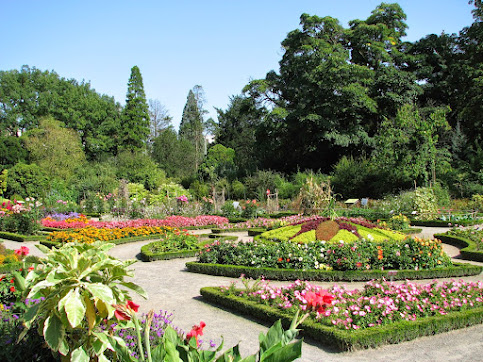
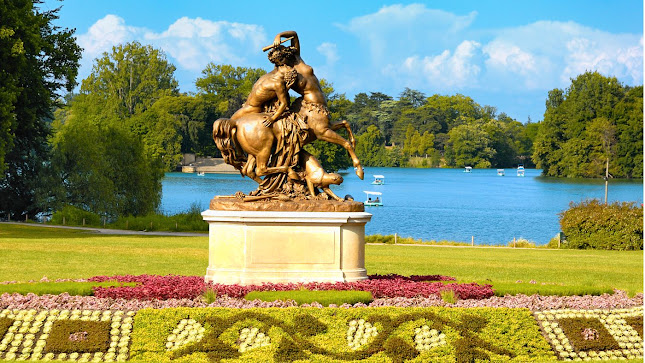
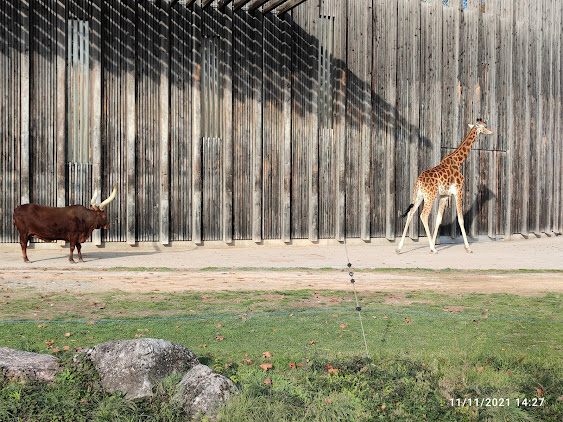
Lyon, France’s gastronomic capital, offers many top places to explore that showcase its rich history and vibrant culture. Start at the Old Town (Vieux Lyon), a UNESCO World Heritage site, where medieval and Renaissance buildings fill the cobbled streets. Don’t miss the Basilica of Notre-Dame de Fourvière, perched on a hill with stunning city views. Stroll through Parc de la Tête d’Or, a beautiful park with gardens, a lake, and a free zoo.
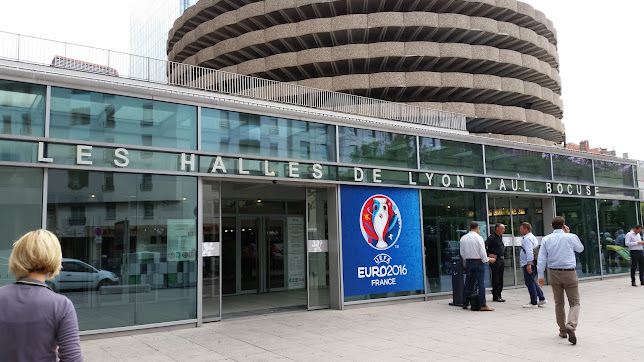
Lyon is also famous for its cuisine, so visiting the Halles de Lyon Paul Bocuse market is a must for food lovers. With landmarks like the Roman Theatres of Fourvière and the Lyon Museum of Fine Arts, Lyon is a top travel destination in France, perfect for history, art, and food enthusiasts.
Vieux Lyon (Old Town)
Description
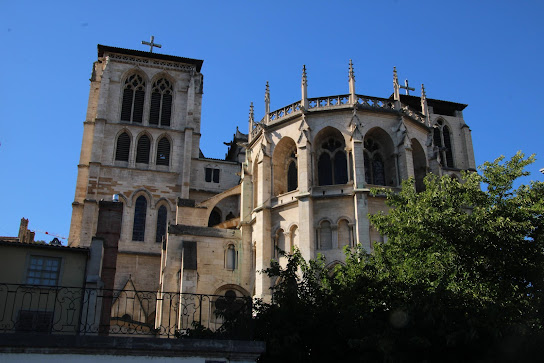
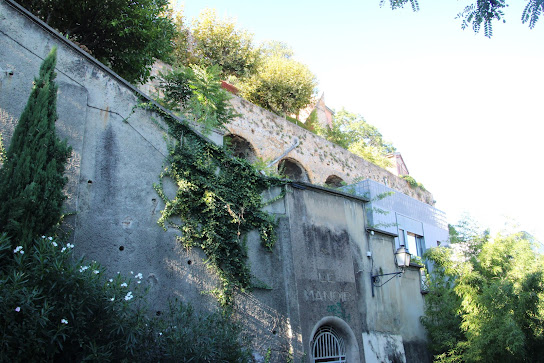
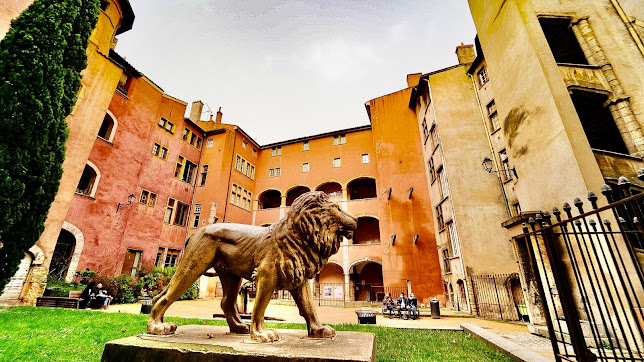
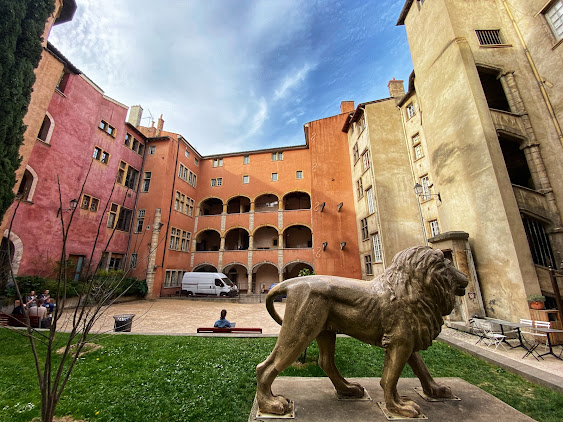
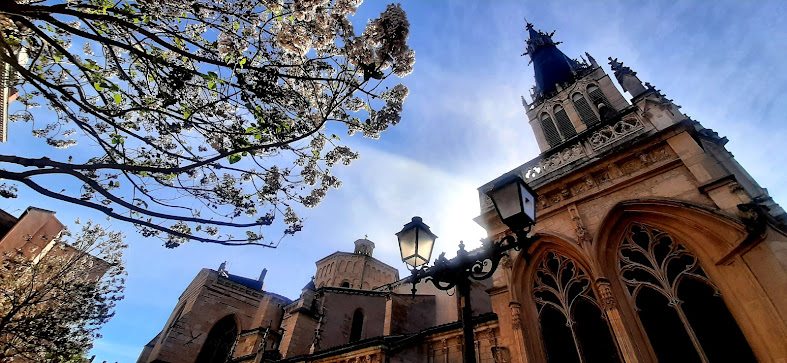
Vieux Lyon, or Old Town, is one of the most charming and historic neighborhoods in Lyon. Known for its Renaissance architecture, narrow cobbled streets, and vibrant atmosphere, this area is filled with boutiques, cafes, and some of the city’s best eateries. It’s also home to Lyon’s famous traboules, or secret passageways.
Historical Significance of Vieux Lyon
Vieux Lyon is one of Europe’s largest Renaissance quarters, reflecting centuries of architectural styles and culture. Its preservation has earned it UNESCO World Heritage status.





Location of Vieux Lyon
5th arrondissement, Lyon, France

Traveling
Easily accessible by metro (Vieux Lyon station) or a short walk from central Lyon.
Nearby Eateries
- Les Adrets: restaurant-les-adrets.fr
- Daniel et Denise: daniel-et-denise.fr
Cost
Free to explore.
Basilica of Notre-Dame de Fourvière
Description
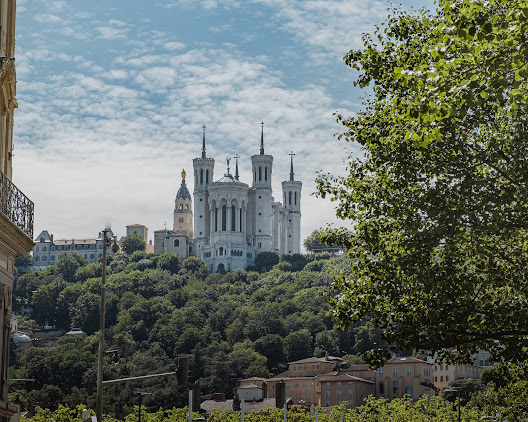
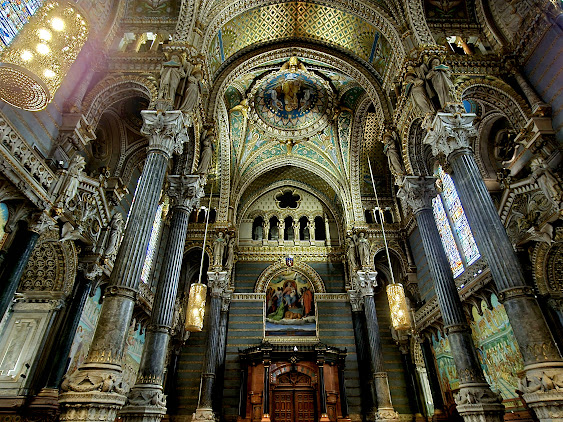
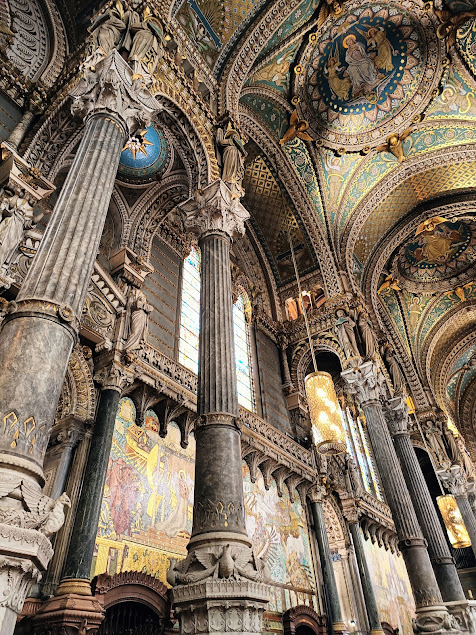
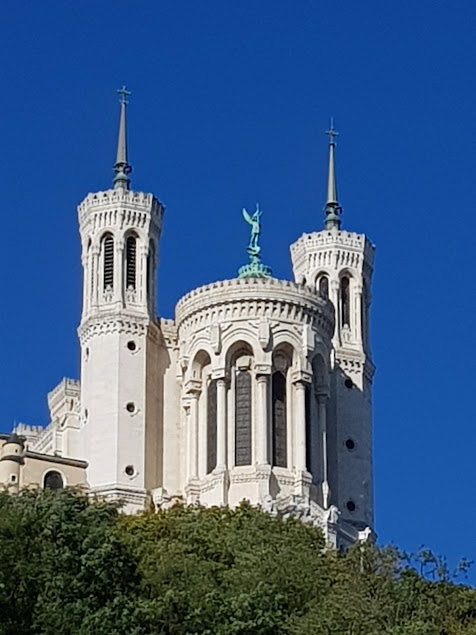
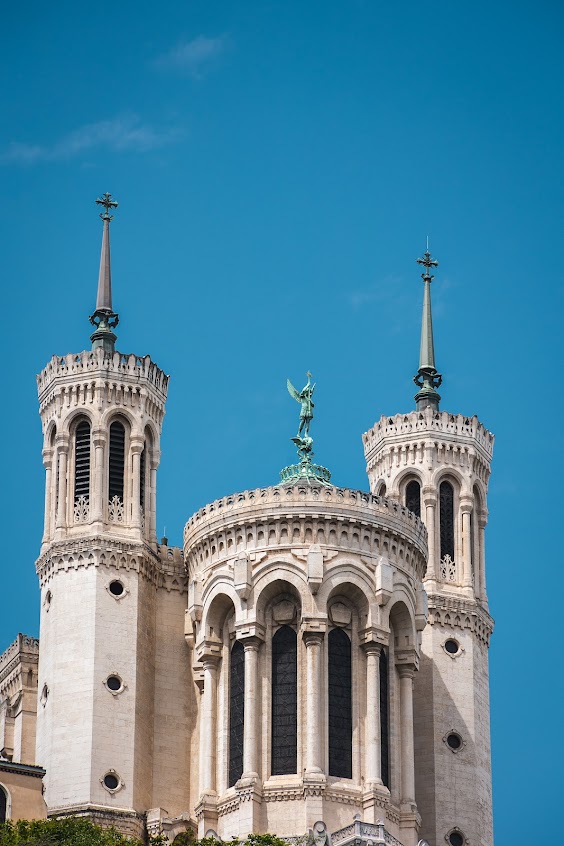
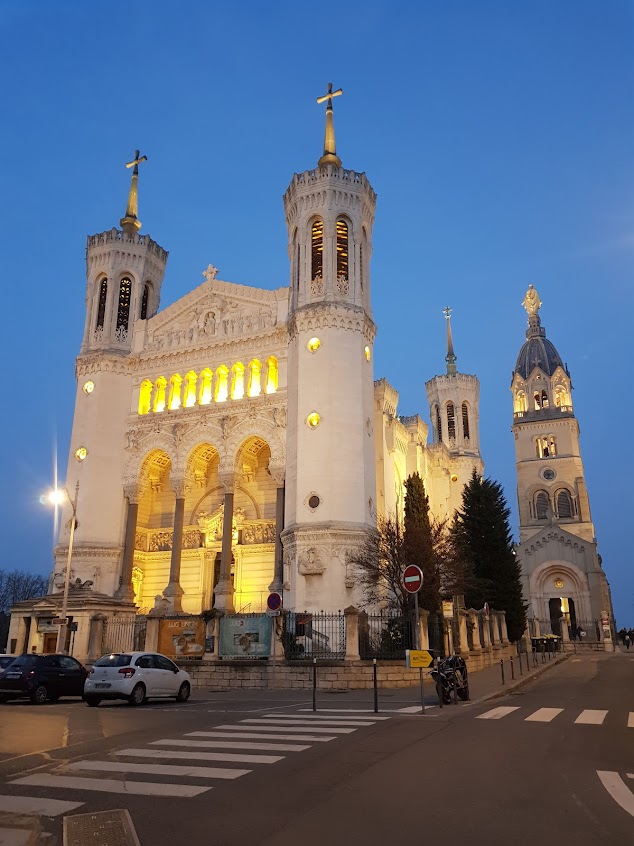
Perched atop a hill, the Basilica of Notre-Dame de Fourvière offers a beautiful view of Lyon. Inside, visitors will find intricate mosaics, stained glass, and a peaceful atmosphere for reflection. The basilica’s design is unique, blending Romanesque and Byzantine styles.
Historical Significance of Basilica of Notre-Dame de Fourvière
Built in the late 19th century, this basilica is dedicated to the Virgin Mary, who is said to have saved Lyon from the plague. It has become an important pilgrimage site for Catholics.




Location of Basilica of Notre-Dame de Fourvière
8 Place de Fourvière, 69005 Lyon, France
Traveling
Accessible by funicular from Vieux Lyon metro station.
Nearby Eateries
- L’Ouest Express: ouestexpress.com
- Le Bistrot du Potager: lebistrotdupotager.com
Cost
Free to enter, donations welcome.
Parc de la Tête d’Or
Description
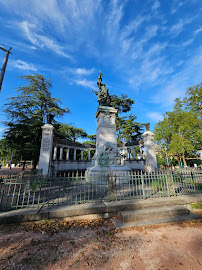
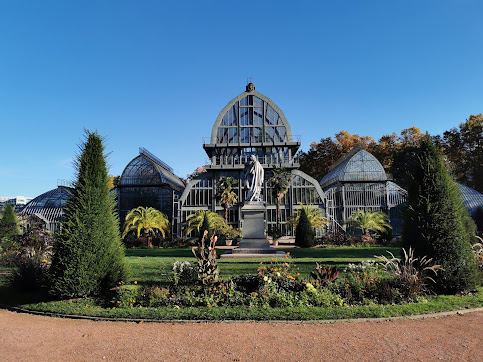
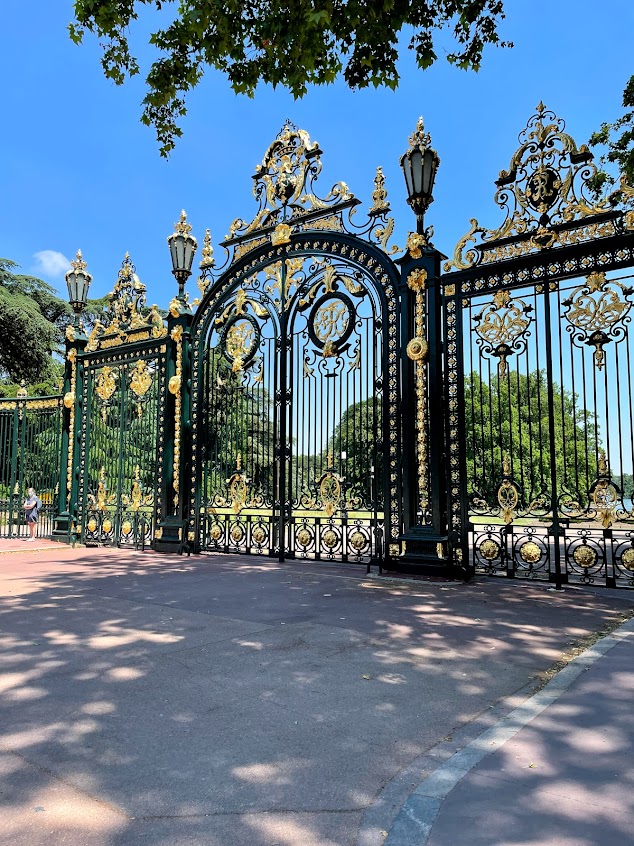
Parc de la Tête d’Or is Lyon’s largest park, featuring lakes, botanical gardens, and a free zoo. It’s a fantastic place for families, joggers, and anyone looking to relax in nature.
Historical Significance of Parc de la Tête d’Or
Established in 1857, this park is a treasured green space in Lyon, designed by landscape architect Denis Bühler to reflect the beauty of nature within an urban setting.



Location of Parc de la Tête d’Or
Boulevard des Belges, 69006 Lyon, France
Traveling
Easily accessible by bus and a short walk from Masséna metro station.
Nearby Eateries
- La Terrasse Saint-Clair: laterrassesaintclair.com
- Le Bistrot du Potager: lebistrotdupotager.com
Cost
Free to enter.
Halles de Lyon Paul Bocuse (Food Market)
Description
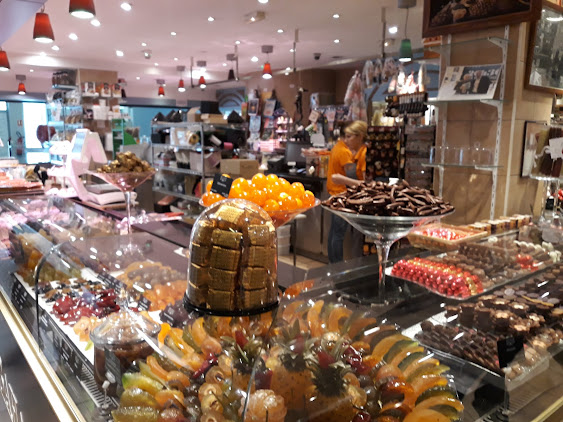
Halles de Lyon Paul Bocuse is a famous indoor food market named after legendary chef Paul Bocuse. It offers a variety of gourmet foods, including cheeses, meats, pastries, and fresh produce, making it a must-visit for food lovers.
Historical Significance of Halles de Lyon Paul Bocuse
Opened in 1971, this market pays tribute to Paul Bocuse, one of France’s most renowned chefs, and reflects Lyon’s reputation as the culinary capital of France.

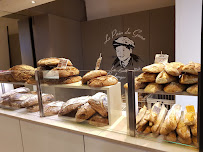
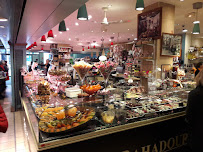

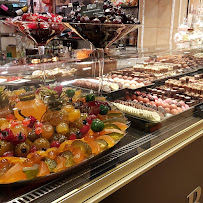
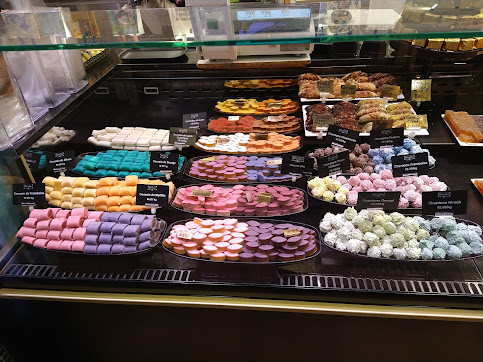
Location of Halles de Lyon Paul Bocuse
102 Cours Lafayette, 69003 Lyon, France
Traveling
Accessible by metro (Part-Dieu station) and several bus routes.
Nearby Eateries
- Maison Rousseau: maisonrousseau.fr
- Le Bouchon des Cordeliers: bouchoncordeliers.com
Cost
Free to enter; prices vary by vendor.
Roman Theatres of Fourvière
Description
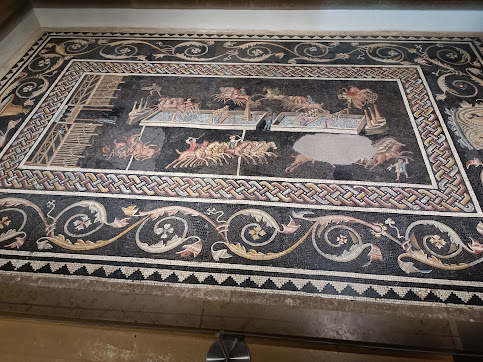
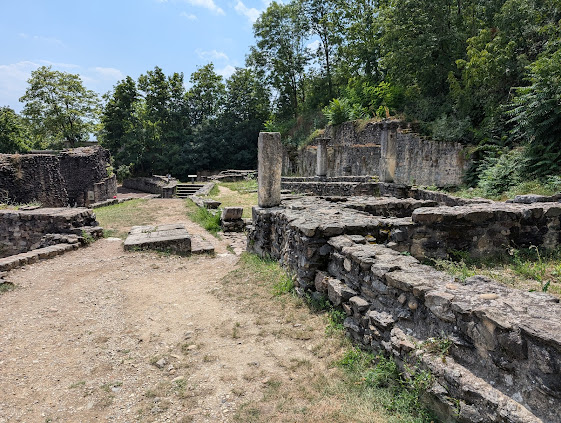
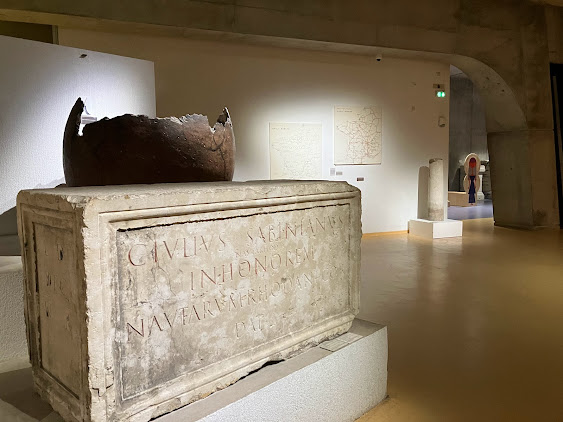
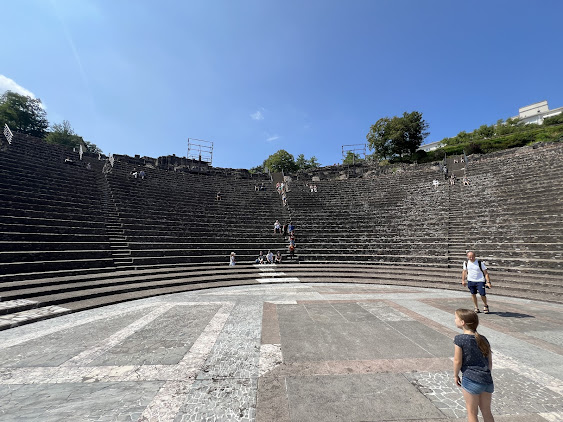
The Roman Theatres of Fourvière are ancient structures dating back to the Roman Empire. Visitors can explore the main theater, which still hosts events, and the smaller Odeon. The view of Lyon from here is stunning, and the history is fascinating.
Historical Significance of Roman Theatres of Fourvière
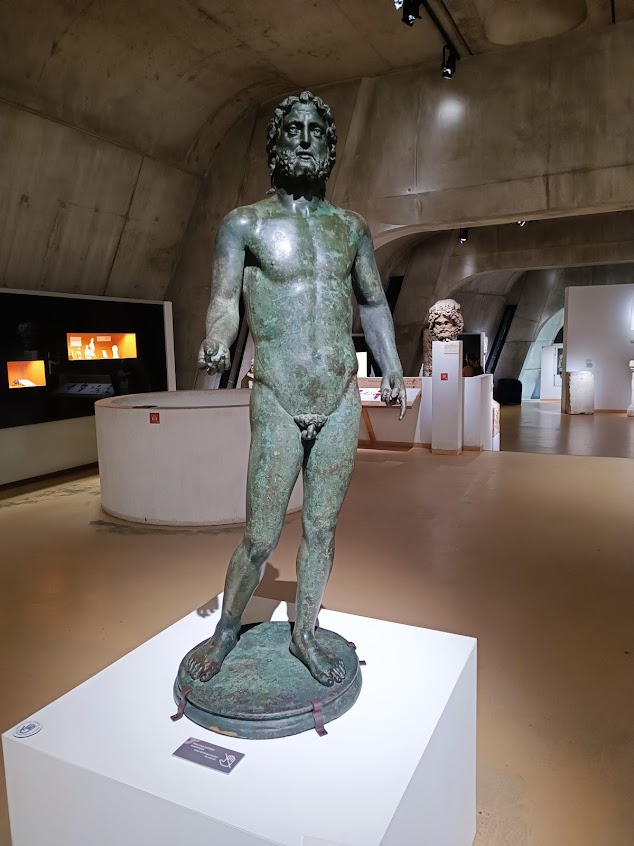
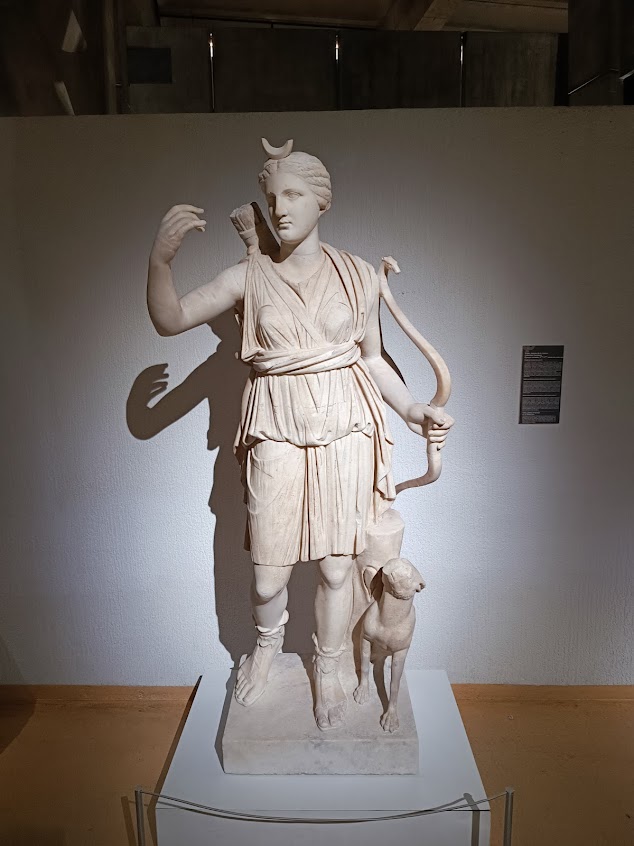
These theaters were built around 15 BC and are some of the oldest Roman ruins in France, showcasing Lyon’s ancient heritage.

Location of Roman Theatres of Fourvière
6 Rue de l’Antiquaille, 69005 Lyon, France
Traveling
Accessible by funicular from Vieux Lyon metro station.
Nearby Eateries
- Le Comptoir des Buvards: comptoirdesbuvards.fr
- Les Fines Gueules: lesfinesgueules.com
Cost
Free to explore.
Lyon Museum of Fine Arts
Description
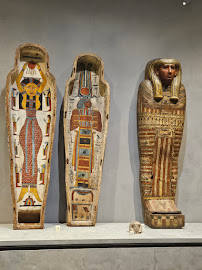
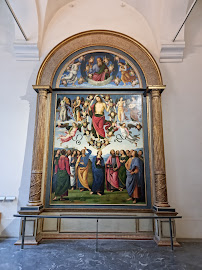
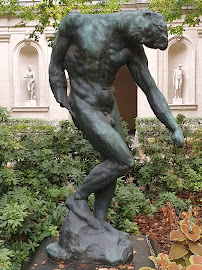
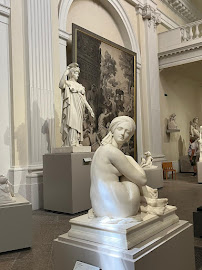
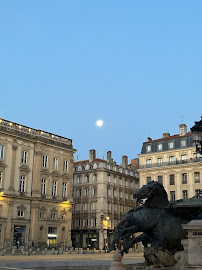
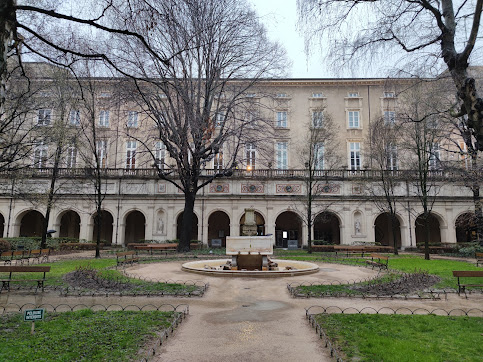
The Lyon Museum of Fine Arts is housed in a former Benedictine convent and features an impressive collection of paintings, sculptures, and artifacts. It’s often called “the little Louvre” because of its extensive art collection.
Historical Significance of Lyon Museum of Fine Arts
Founded in the 18th century, this museum holds art from ancient Egypt to modern Europe, showcasing Lyon’s commitment to cultural preservation.
Location of Lyon Museum of Fine Arts
20 Place des Terreaux, 69001 Lyon, France
Traveling
Accessible by metro (Hôtel de Ville station).
Nearby Eateries
- Le Musée: restaurantlemusee.com
- Bouchon Tupin: bouchontupin.com
Cost
Adults: €8; free on select days.
Presqu’île District
Description
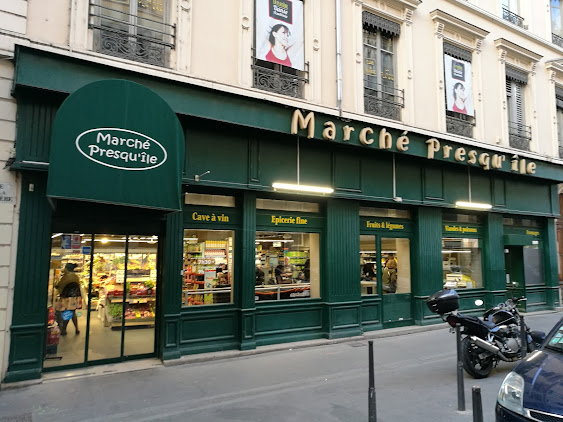
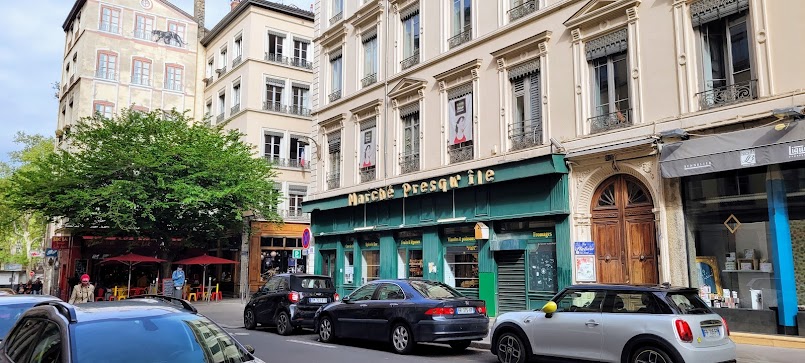
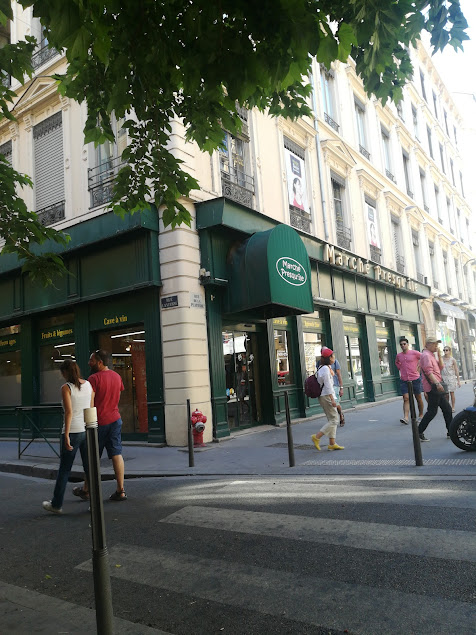
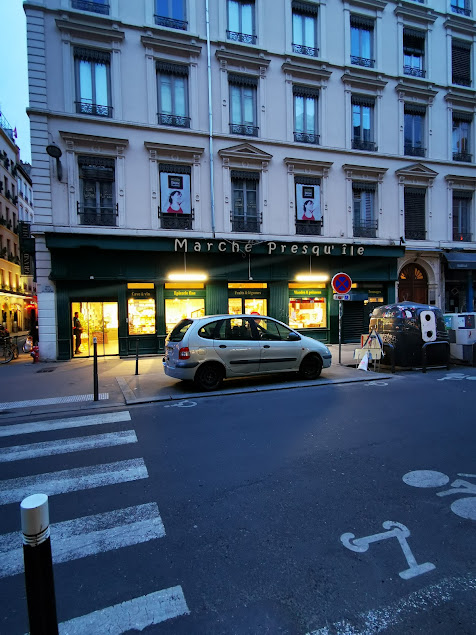
The Presqu’île District is a lively area between the Rhône and Saône rivers, filled with shops, theaters, and historical buildings. It’s perfect for a leisurely walk, shopping, and dining.
Historical Significance of Presqu’île District
The Presqu’île has been central to Lyon’s commerce since the Middle Ages, playing a significant role in the city’s economic and cultural development.


Location of Presqu’île District
Between the Rhône and Saône rivers, Lyon, France
Traveling
Easily accessible by metro and tram.
Nearby Eateries
- Lyonnais Bouchon Chez Paul: chezpaul.com
- Le Sud: les-sud.com
Cost
Free to explore.
Place des Terreaux
Description
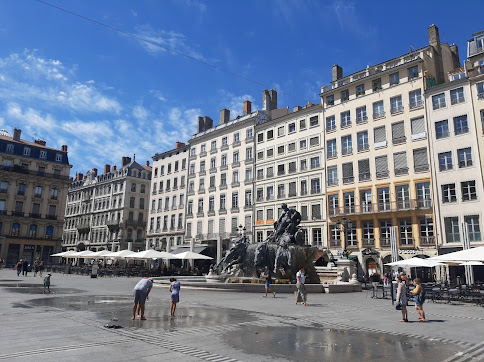
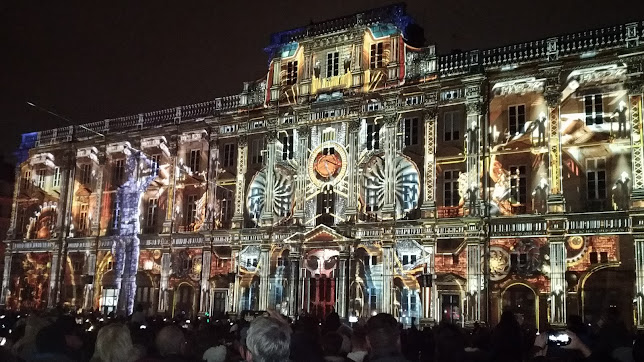
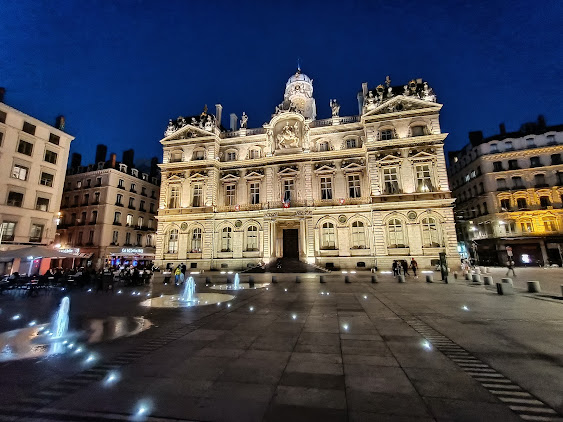
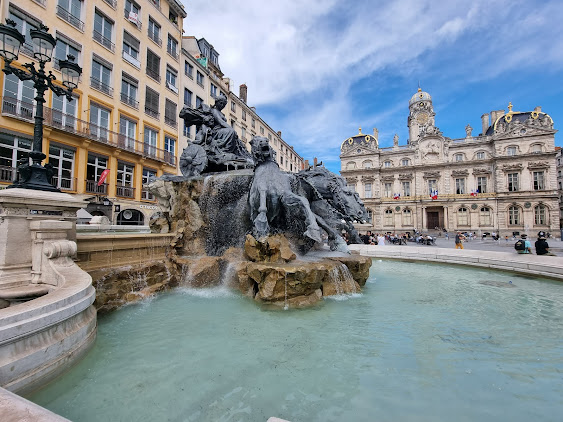
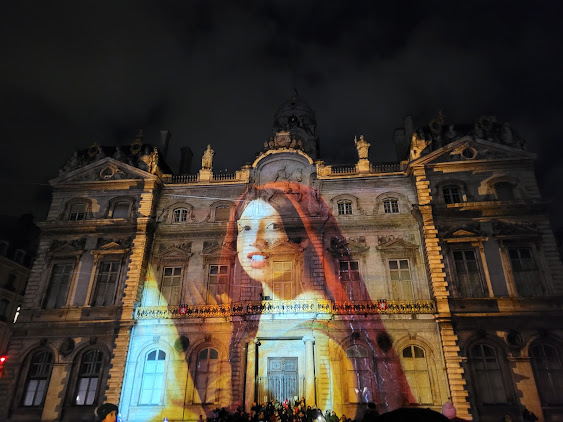
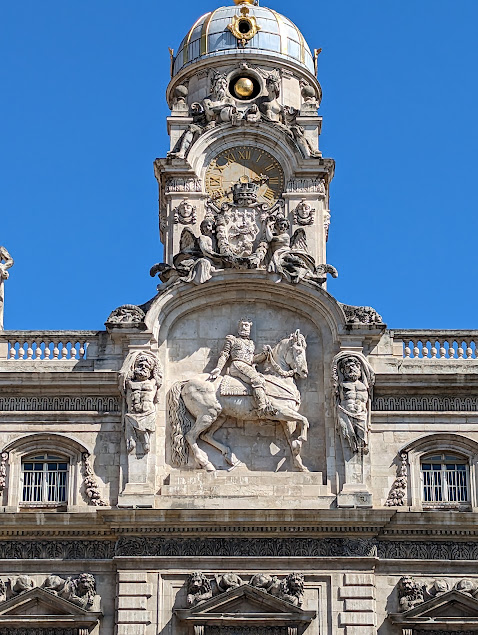
Place des Terreaux is one of Lyon’s most beautiful squares, featuring the grand City Hall, the Fine Arts Museum, and a fountain designed by Bartholdi, the creator of the Statue of Liberty.
Historical Significance of Place des Terreaux
The square dates back to the 17th century and has been the site of many historic events, reflecting Lyon’s architectural evolution.


Location of Place des Terreaux
69001 Lyon, France
Traveling
Accessible by metro (Hôtel de Ville station).
Nearby Eateries
- Le Grand Café des Négociants: cafe-negociants.com
- Bistrot du Palais: bistrotdoupalais.com
Cost
Free to explore.
Confluence Museum
Description
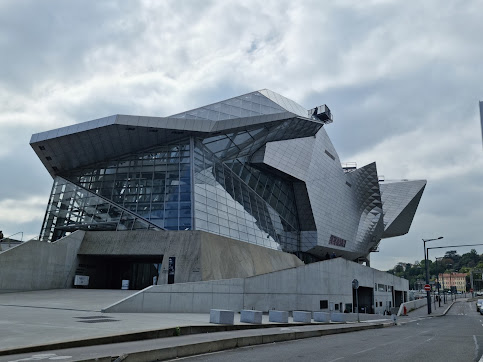
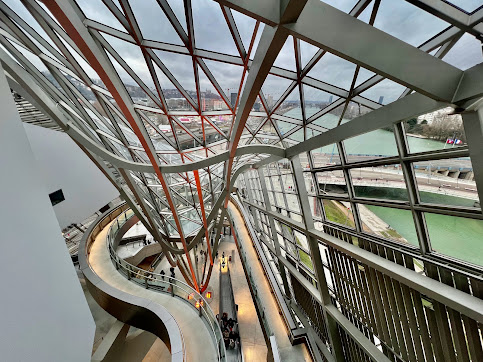
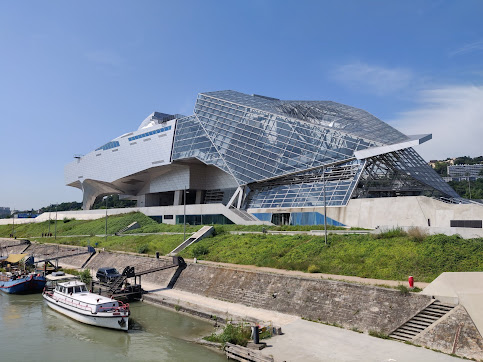
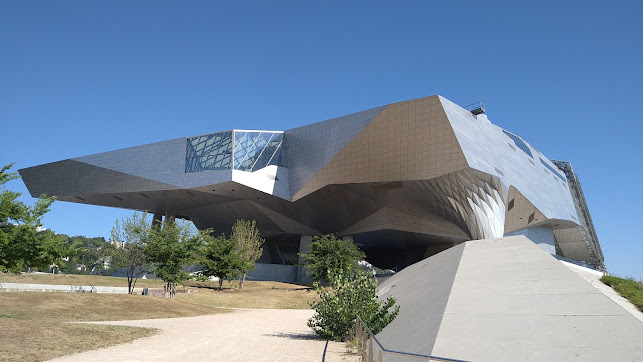
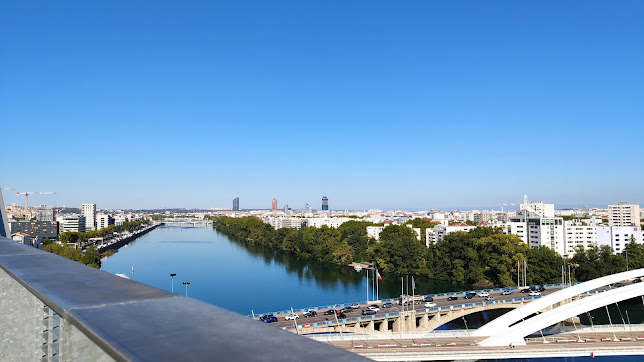
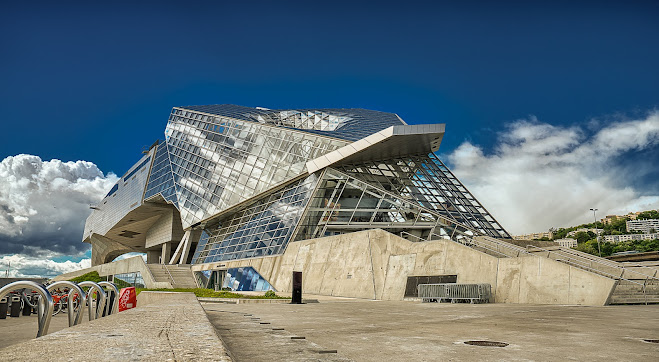
The Confluence Museum is a modern science and anthropology museum, with exhibits on life sciences, history, and cultures from around the world. Its futuristic architecture on the banks of the Saône River makes it visually impressive.
Historical Significance of Confluence Museum
Opened in 2014, the museum embodies Lyon’s innovative side, blending science with cultural studies to encourage learning and exploration.


Location of Confluence Museum
86 Quai Perrache, 69002 Lyon, France
Traveling
Accessible by tram (T1 line) or a short drive from central Lyon.
Nearby Eateries
- Brasserie Georges: brasseriegeorges.com
- Le Poêlon d’Or: lepoelondor.com
Cost
Adults: €9, discounts for youth.