


Nestled among the towering peaks of the Karakoram Range, Hunza Valley is a place where nature, peace, and history meet in perfect harmony. Known as the crown jewel of Gilgit Baltistan, Hunza Valley enchants travelers with its snow-covered mountains, turquoise lakes, and a culture that celebrates simplicity and happiness. Once part of the ancient Silk Route, this valley remains one of Pakistan’s most stunning and welcoming destinations — a paradise that feels like a dream come to life.



The Breathtaking Beauty of Hunza Valley
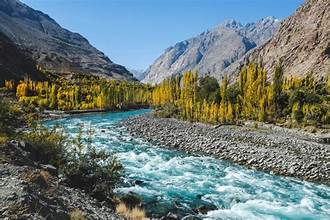
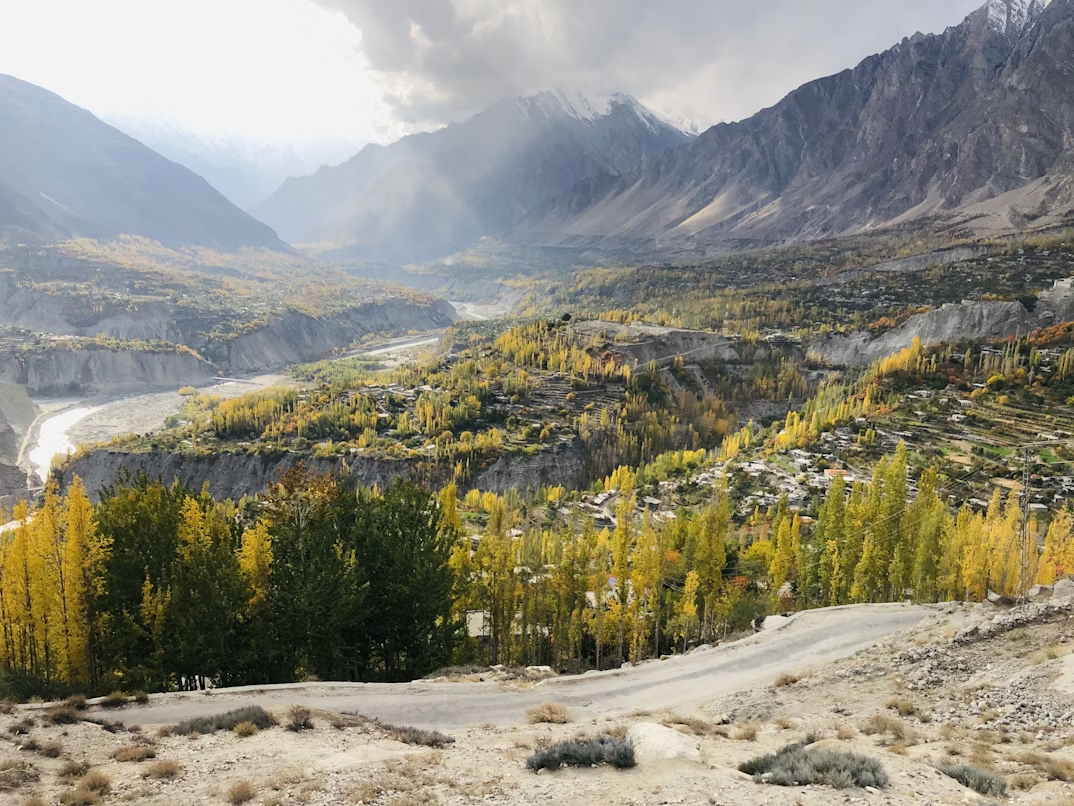
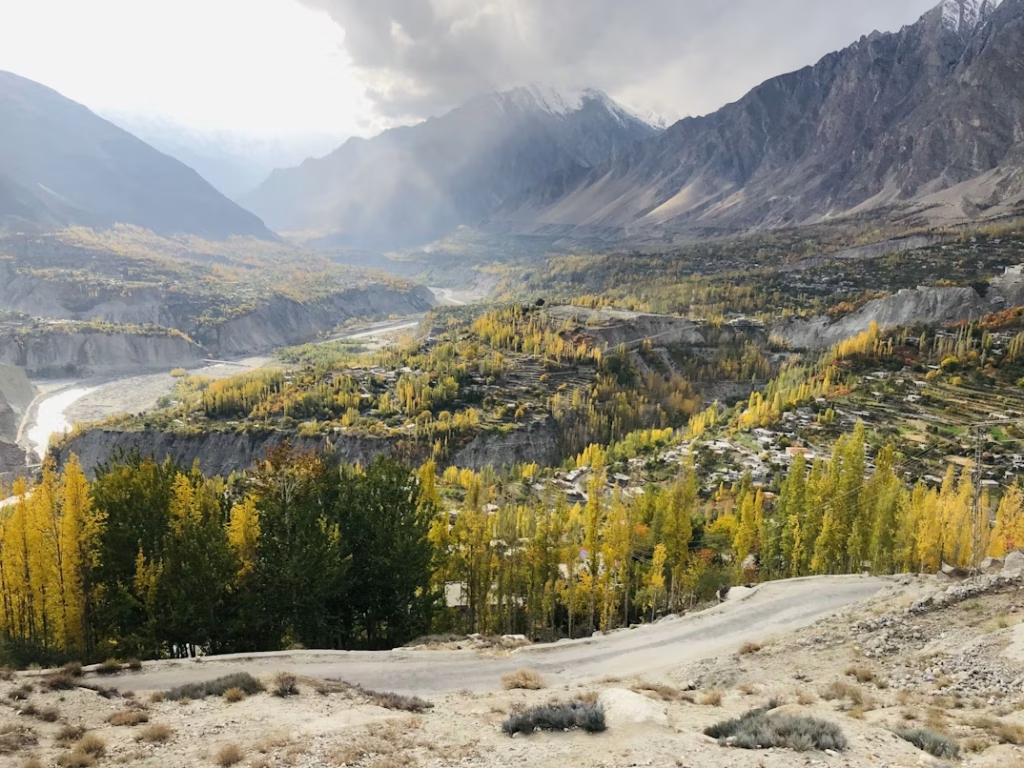
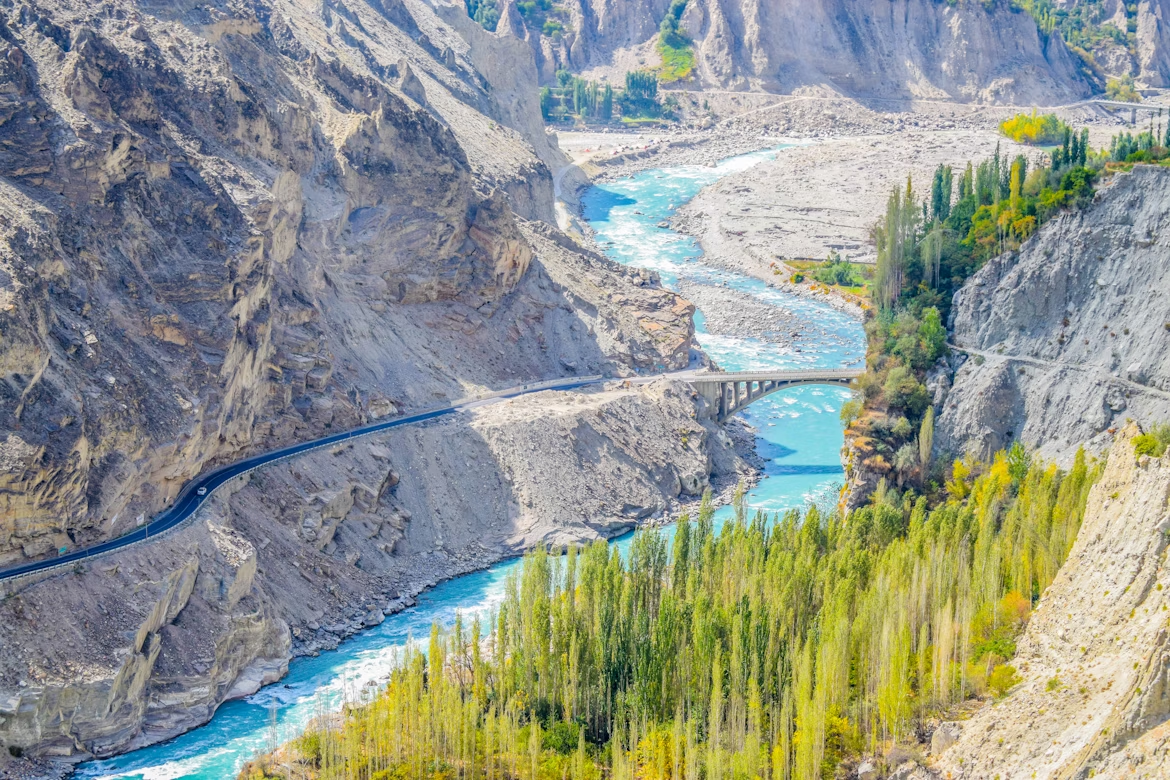
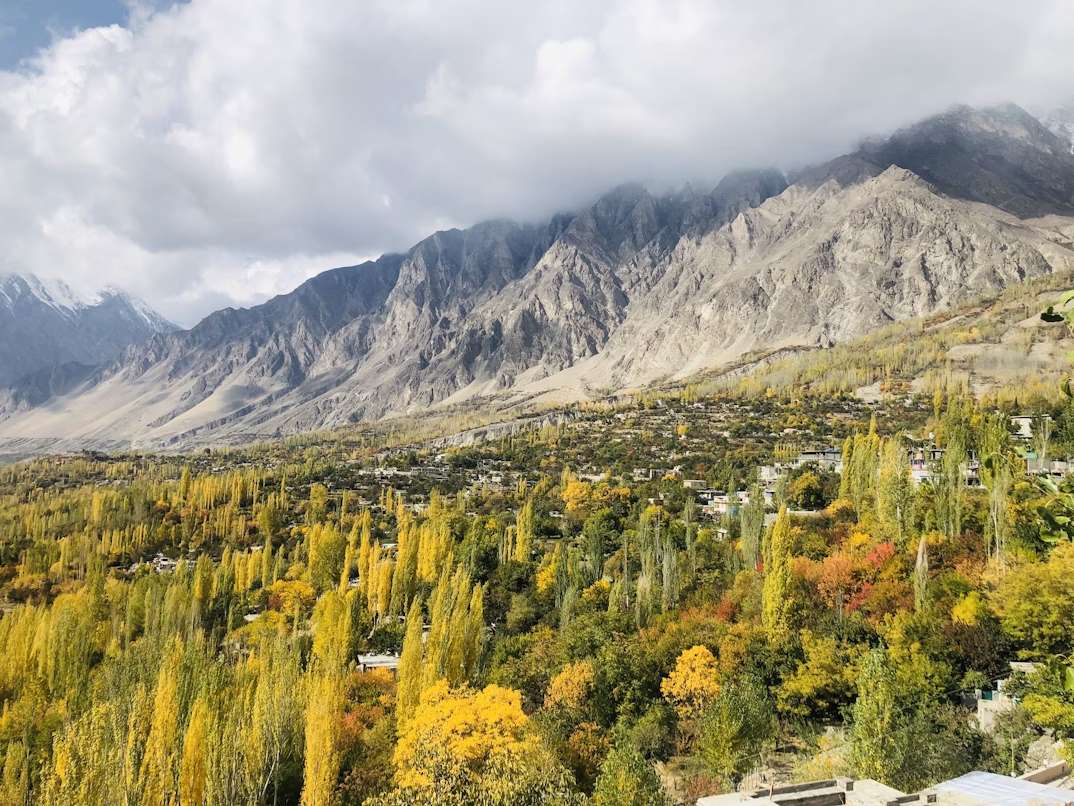
Hunza Valley is blessed with natural wonders that leave even the most seasoned travelers speechless. Surrounded by the majestic peaks of Rakaposhi, Ultar Sar, and Ladyfinger, the valley glows in every season. Spring brings soft pink and white apricot blossoms, summer fills the fields with greenery, autumn paints the trees gold, and winter covers the landscape with snow. From sunrise to sunset, every moment in Hunza feels like a masterpiece painted by nature itself.
Top Attractions in Hunza Valley
There’s no shortage of breathtaking spots to explore in Hunza Valley. The historical Baltit Fort and Altit Fort stand proudly as reminders of Hunza’s royal heritage. The stunning Attabad Lake, formed after a landslide in 2010, glimmers with crystal-blue waters that mirror the surrounding mountains. The Hopper Glacier offers thrilling views of icy landscapes, while the Eagle’s Nest Viewpoint provides a panoramic scene of the entire valley at sunset. Each site offers something unique — from history and adventure to peace and photography.
Location and Accessibility of Hunza Valley
Hunza Valley is located in the northern region of Gilgit-Baltistan, approximately 100 kilometers from Gilgit city. It lies along the Karakoram Highway, which connects Pakistan to China through the Khunjerab Pass. Travelers can reach Hunza by road from Islamabad in around 18 to 20 hours or by taking a flight to Gilgit followed by a scenic three-hour drive. The journey itself is an unforgettable experience, offering spectacular views of mountains, rivers, and valleys along the way.
Culture and People of Hunza Valley
The true charm of Hunza Valley lies in its people. Known for their kindness, hospitality, and simple way of life, the Hunza community reflects harmony and warmth. Most locals belong to the Burusho and Wakhi ethnic groups and speak the Burushaski and Wakhi languages. Education and health are highly valued here, and the literacy rate is among the highest in Pakistan. The traditional music, dance, and handicrafts of Hunza capture the essence of their centuries-old culture and deep respect for nature.
Food and Local Delights in Hunza Valley
Exploring Hunza Valley is incomplete without tasting its traditional dishes. Local favorites include Chapshuro (meat-filled flatbread), Gyal (buckwheat pancakes), Harissa (a rich wheat and meat dish), and the famous Hunza apricots. Fresh fruits, organic vegetables, and pure mountain honey are part of daily life here. Many cafes in Karimabad and Aliabad serve both local and continental food, often with stunning views of Rakaposhi in the background. Dining in Hunza is not just about food — it’s about sharing stories and connecting with the valley’s soul.
Festivals and Traditions of Hunza Valley
Hunza Valley celebrates life with color and joy. Festivals like Jashn-e-Navroz mark the arrival of spring, while harvest festivals celebrate nature’s bounty. Music and dance are integral parts of local celebrations, with traditional instruments creating melodies that echo through the mountains. Tourists visiting during these events can witness the rich blend of culture, faith, and happiness that defines the Hunza way of life. Each festival is a reminder of the valley’s unity, resilience, and timeless charm.
Best Time to Visit Hunza Valley
The beauty of Hunza Valley changes with every season, making it a year-round destination. Spring (March to May) brings a sea of blossoms, while summer (June to August) offers pleasant weather for trekking and sightseeing. Autumn (September to November) transforms the valley into a golden paradise with vibrant colors, and winter (December to February) offers snow-covered serenity for those seeking peace and solitude. Each season tells its own story — one of renewal, beauty, and reflection.

For adventurers, nature lovers, and peace seekers, Hunza Valley offers an experience unlike any other. Whether you’re walking through apricot orchards, sailing on Attabad Lake, or standing beneath the shadow of Rakaposhi, you’ll feel a connection to something greater — a calm that touches the heart. The valley is more than just a destination; it’s a symbol of purity, balance, and wonder. Once you visit, you’ll understand why Hunza Valley is called the hidden jewel of Gilgit-Baltistan — a paradise where every soul finds peace.