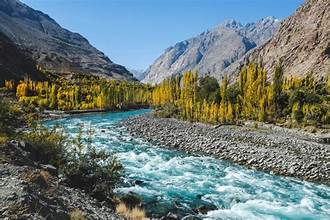



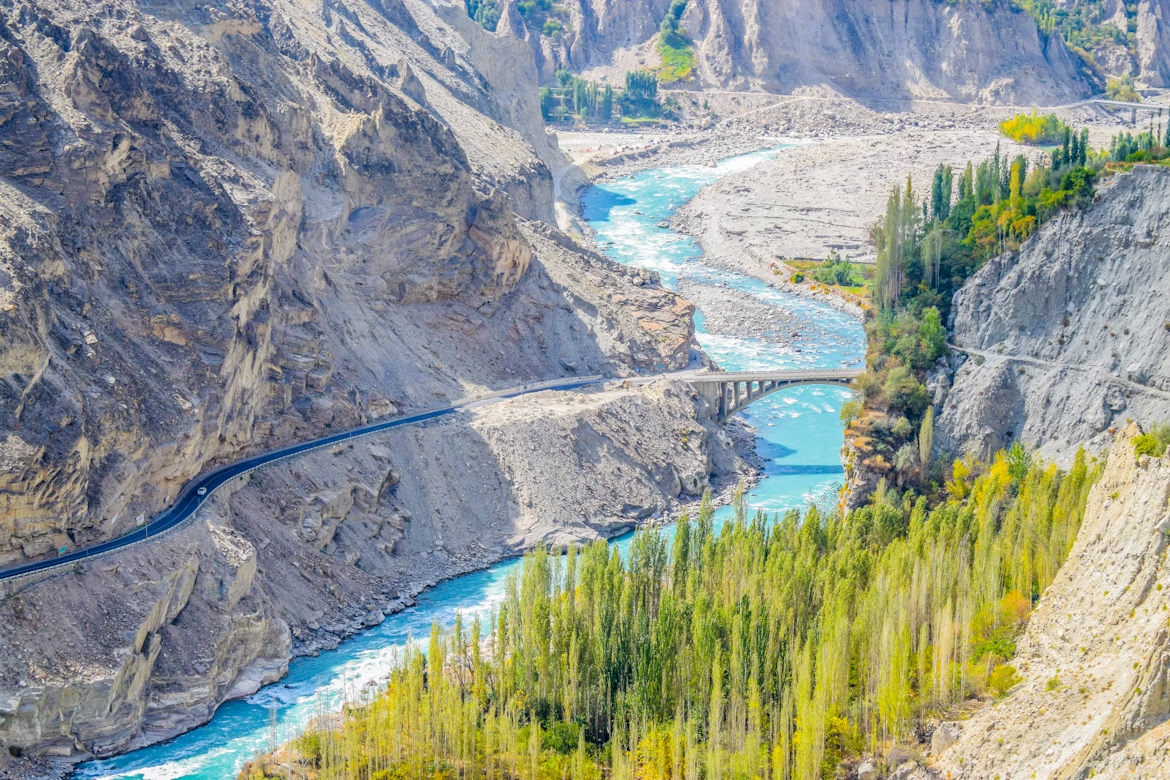
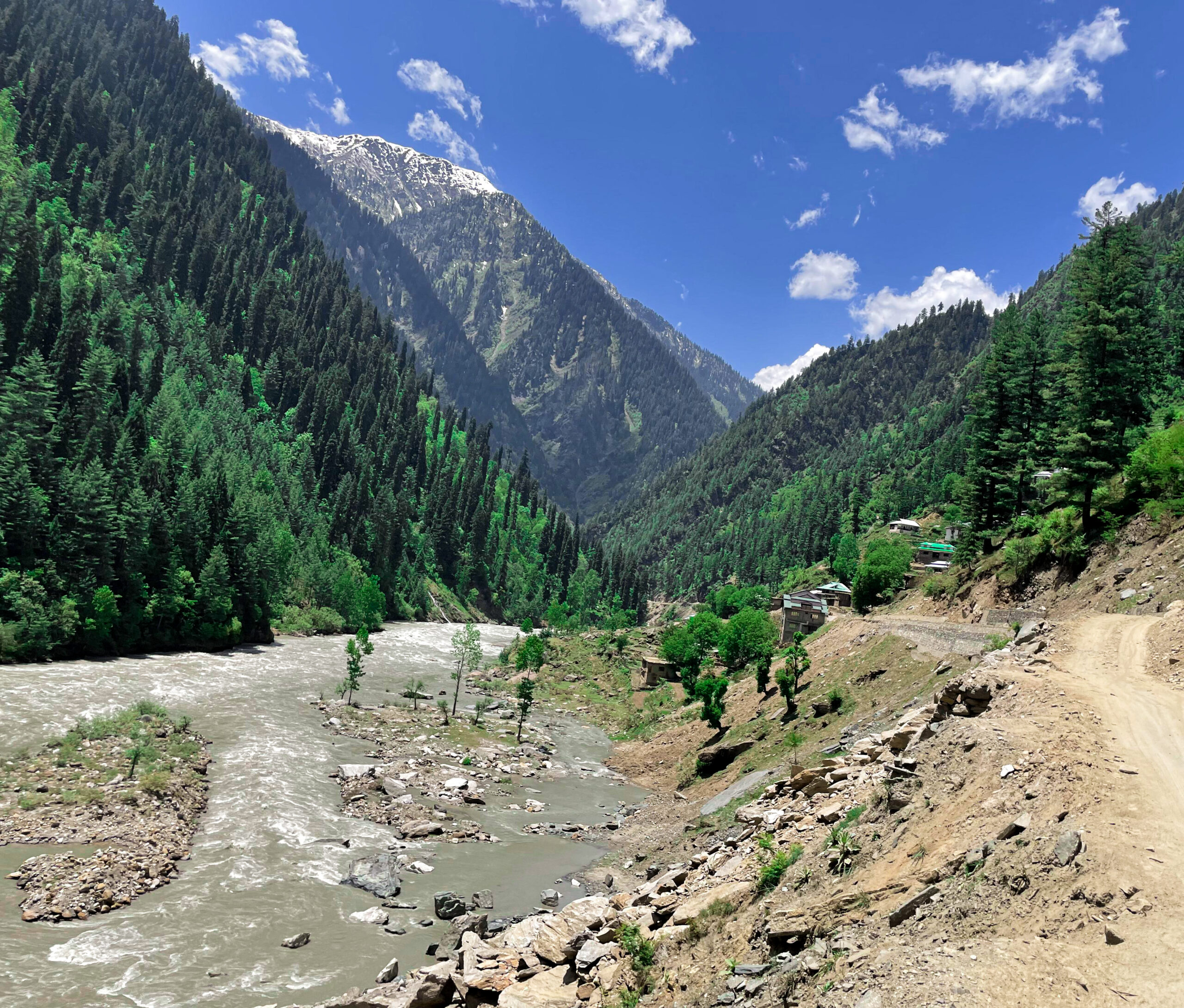
Nestled among the world’s highest mountain ranges Gilgit Baltistan is not only a land of breathtaking natural beauty but also a living museum of diverse cultures and traditions. The people of this region have preserved their ancient customs with pride, blending simplicity, kindness, and wisdom in every aspect of life. From their vibrant festivals to their warm hospitality, every experience in Gilgit Baltistan tells a story of harmony between humanity and nature.

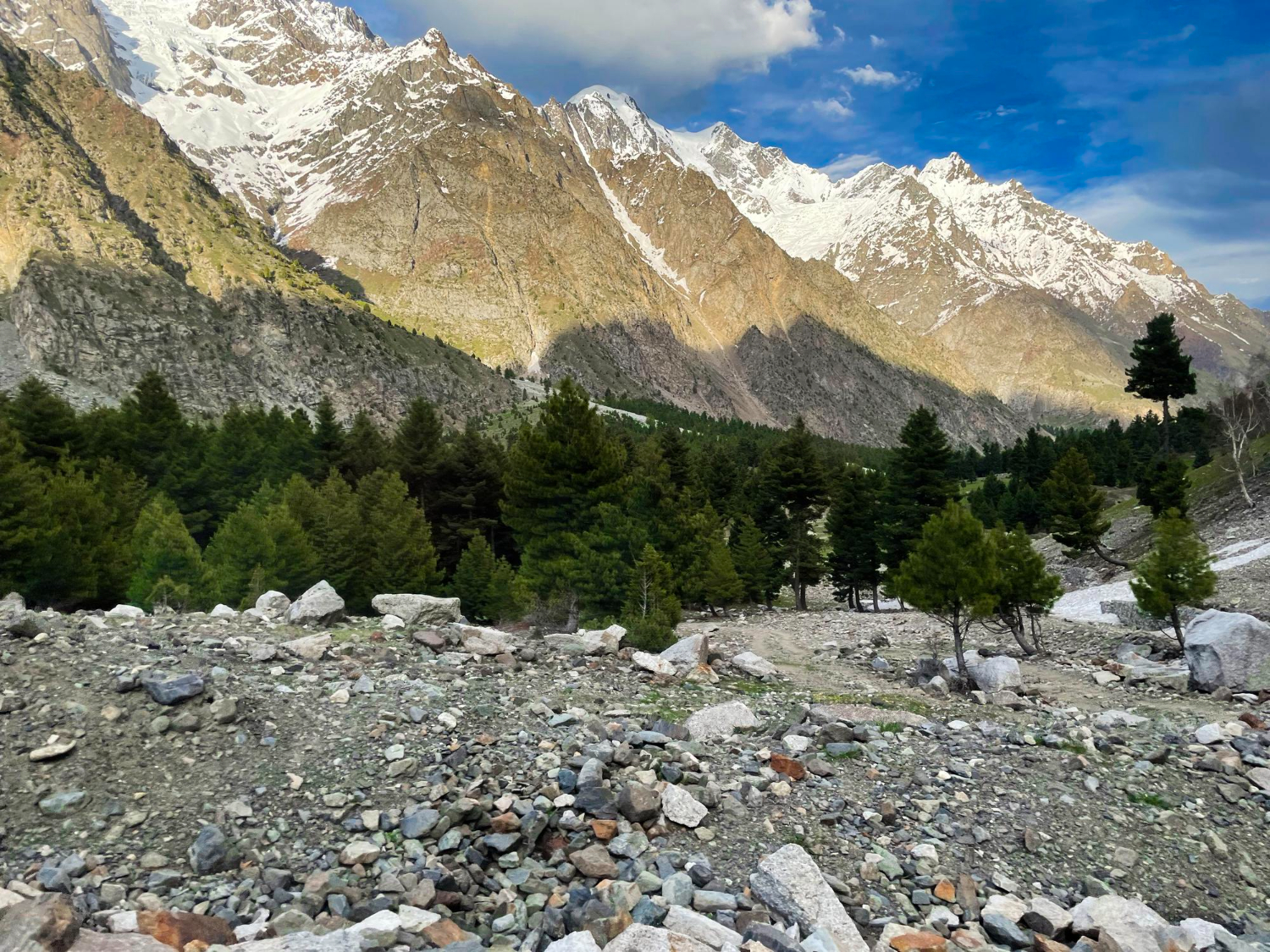


The People of Gilgit Baltistan – Guardians of Culture and Harmony
The people of Gilgit Baltistan are known for their gentle nature, courage, and strong sense of community. They belong to various ethnic groups, including Shina, Balti, Burusho, Wakhi, and Khowar, each with its own distinct identity. Despite linguistic and cultural diversity, the people of the region live together peacefully, guided by shared values of respect, cooperation, and hospitality. Their lifestyle reflects a deep connection to the mountains, rivers, and valleys that shape their daily lives and traditions.
Languages of Gilgit Baltistan – A Symphony of Words and Wisdom
Language plays a vital role in expressing the soul of Gilgit Baltistan. The region is home to several languages, such as Shina, Balti, Burushaski, Khowar, and Wakhi. Each language carries its own stories, songs, and folk wisdom passed down through generations. Balti, for example, is rich in Tibetan influence, while Burushaski stands out as a linguistic isolate with no known relatives. The people take immense pride in preserving these languages, as they are not just tools of communication but carriers of cultural heritage and identity.
Traditional Dress – A Reflection of Elegance and Identity
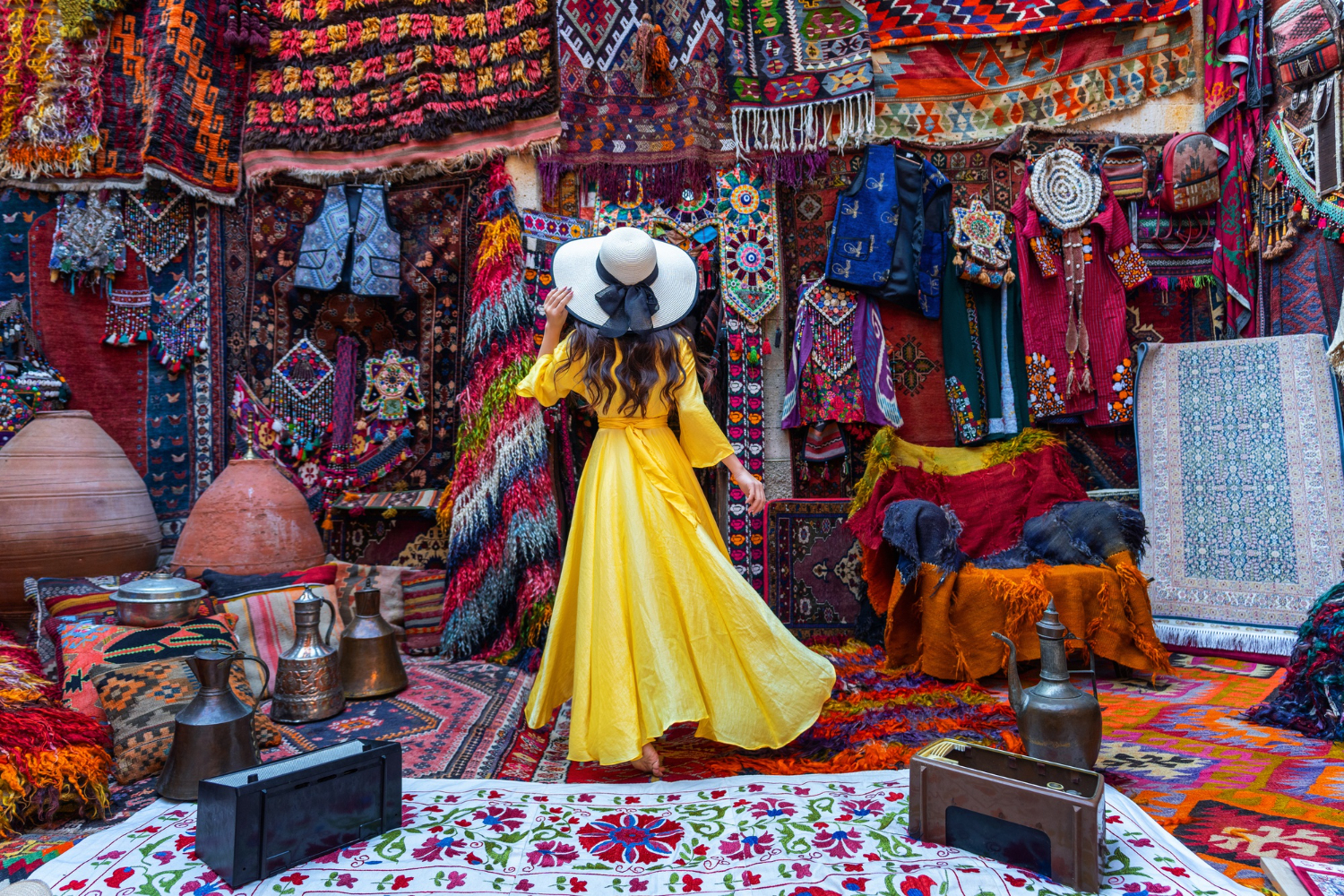
The traditional attire of the people of Gilgit Baltistan mirrors their environment and heritage. Men usually wear woolen caps known as “Pakol,” often adorned with feathers or regional emblems, while women wear colorful embroidered dresses that symbolize regional pride. During festivals and weddings, locals showcase intricate patterns and jewelry made from stones found in the northern mountains. These traditional clothes are not only practical in the cold weather but also serve as an artistic expression of the people’s creativity and cultural roots.
Festivals of Gilgit Baltistan – Celebrating Life in the Mountains
Festivals in Gilgit Baltistan bring communities together in joy and celebration. Among the most popular is the Nowruz festival, marking the Persian New Year and the arrival of spring. It is a time for renewal, joy, and gratitude. Another major celebration is the Jashn-e-Chilas, which features music, dance, and traditional games. The Shandur Polo Festival, held at the “Roof of the World,” attracts visitors from all over Pakistan and beyond. These festivals not only promote cultural unity but also serve as a reminder of how traditions continue to thrive in the modern era.
Music and Dance – The Heartbeat of Gilgit Baltistan
Music and dance are central to the cultural life of Gilgit Baltistan. Folk instruments such as the “Dumhal,” “Surnai,” and “Dadang” are used to accompany songs that narrate tales of love, heroism, and the beauty of the mountains. The traditional sword dance, known as “Ralda,” performed by men, showcases bravery and strength. These performances are not just entertainment but living expressions of history and collective memory, connecting the present with the past.
Local Cuisine – A Taste of Simplicity and Tradition
The cuisine of Gilgit Baltistan reflects the simplicity and resourcefulness of its people. Dishes like “Mamtu” (steamed dumplings), “Diram Phitti” (sweet wheat cake), and “Harissa” (meat and wheat porridge) are both nutritious and deeply traditional. Meals are often prepared using locally grown ingredients, symbolizing harmony with nature. Sharing food is considered a gesture of love and respect, reflecting the people’s generous spirit and close-knit social fabric.
Hospitality – The Soul of Gilgit Baltistan
Hospitality is the most cherished tradition of Gilgit Baltistan. Guests are treated with the utmost warmth and honor, often greeted with tea and local bread. The people believe that a guest brings blessings to the home, and this belief is evident in every village and valley. Whether you visit a humble household or a local guesthouse, you are welcomed like family, making your journey not just memorable but deeply heartwarming.
Preserving Heritage – The Path Forward
As modernization reaches the remote corners of Gilgit Baltistan, efforts to preserve cultural traditions have grown stronger. Local organizations and educational institutions are working to promote regional languages, crafts, and music. Young people are increasingly proud of their roots and are finding innovative ways to blend tradition with progress. This conscious effort ensures that the timeless wisdom and warmth of Gilgit Baltistan continue to inspire future generations.
Conclusion – A Legacy of Beauty and Humanity
The people and traditions of Gilgit Baltistan are a testament to the enduring strength of cultural heritage. Their harmony, kindness, and resilience make this region more than just a travel destination – it is a source of inspiration. In every smile, song, and story, one finds the soul of Gilgit Baltistan – a land where humanity and nature coexist in perfect balance, radiating warmth and wisdom to all who visit.