


Hiroshima
Hiroshima is a city rich in history, culture, and stunning attractions. Peace Memorial Park, a powerful tribute to the victims of the atomic bomb, offers a moving experience with the Atomic Bomb Dome and Memorial Museum. For breathtaking views and serenity, visit Itsukushima Shrine on Miyajima Island, famous for its floating torii gate during high tide. Don’t miss Hiroshima Castle, a reconstructed fortress that showcases the city’s samurai history.
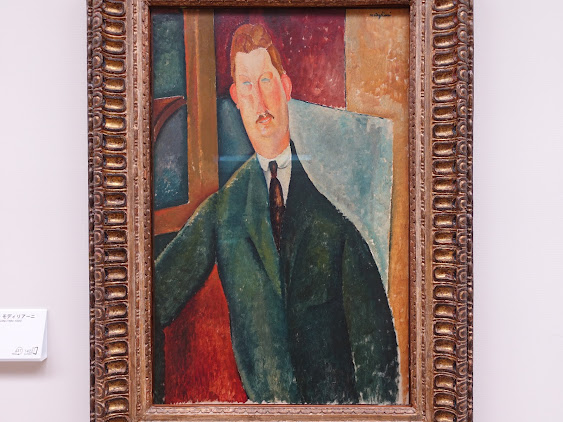
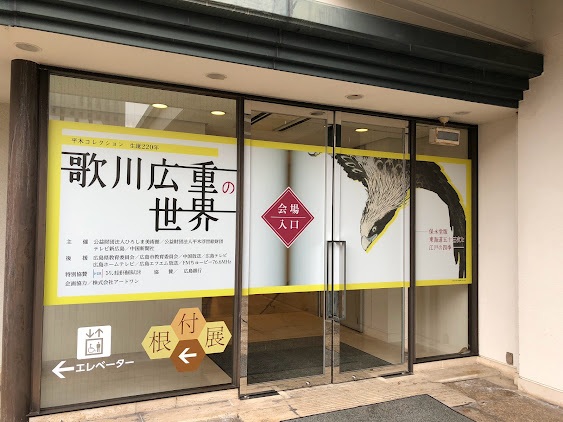
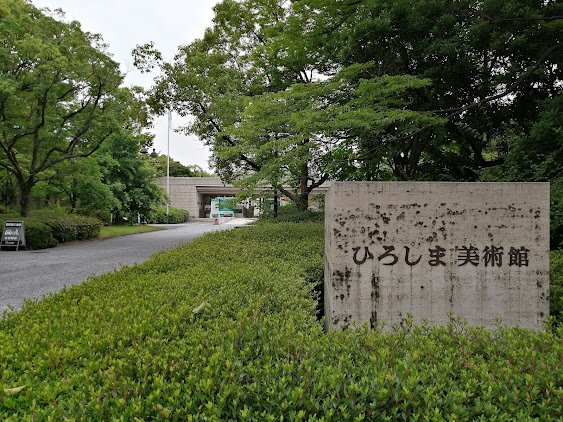
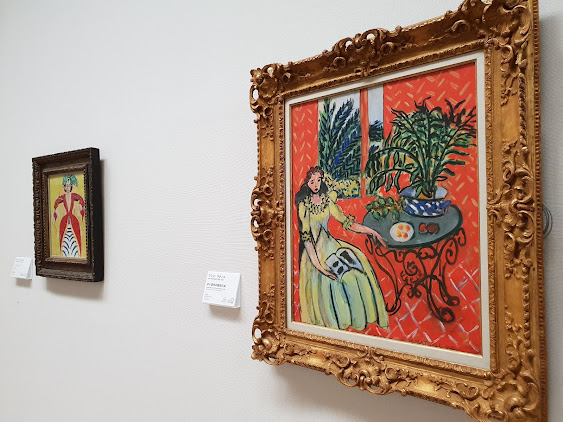
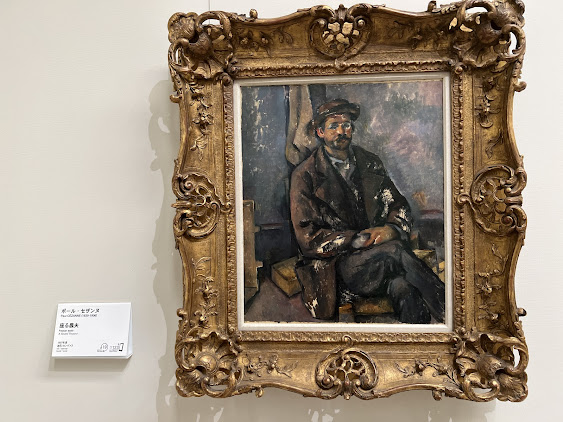
The Shukkei-en Garden is perfect for a peaceful stroll, and the Hiroshima Museum of Art delights art lovers. With its unique blend of historical sites and natural beauty, Hiroshima is a must-visit destination in Japan.
Peace Memorial Park
Description
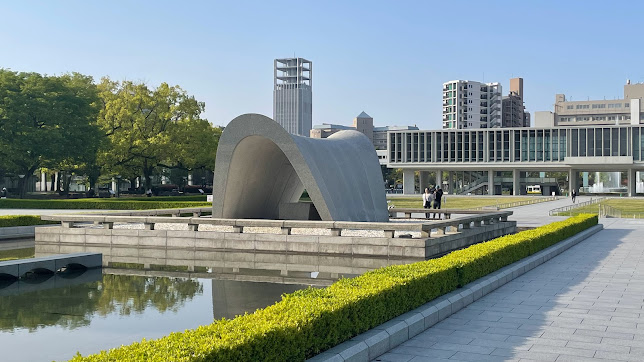
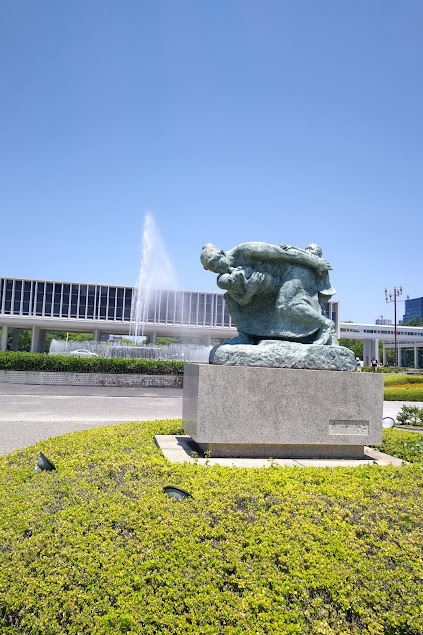
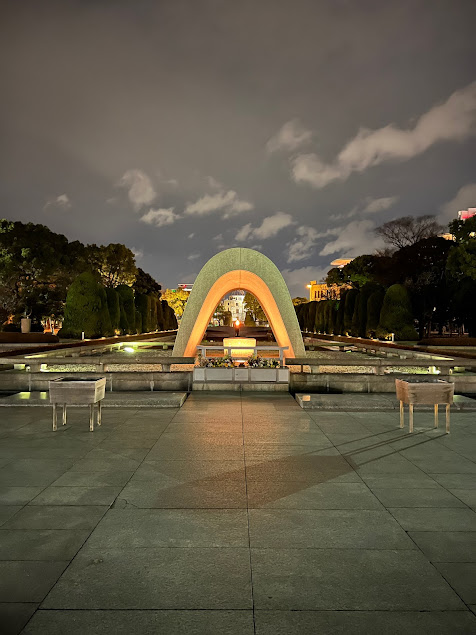
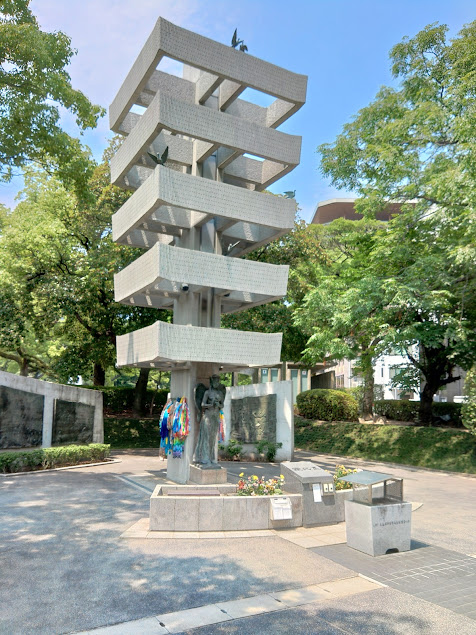
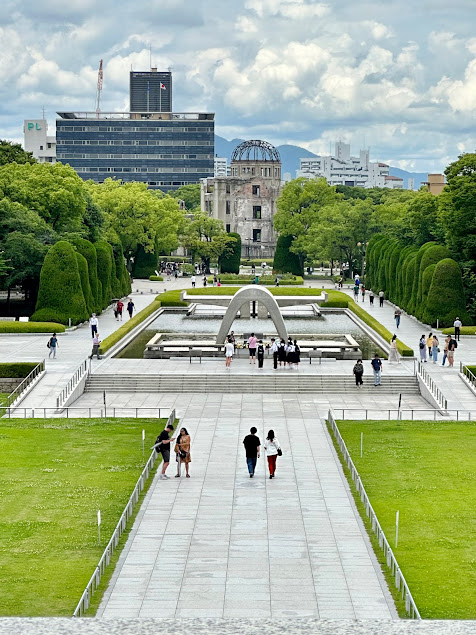
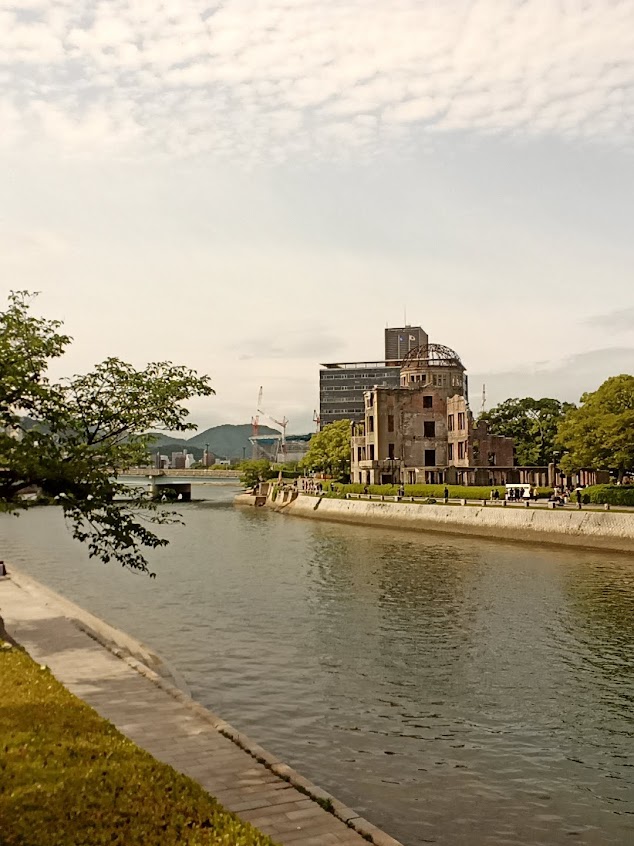
Peace Memorial Park is a large park dedicated to the victims of the 1945 atomic bombing. The park has several memorials, including the Flame of Peace and the Children’s Peace Monument. It’s a serene and reflective space for visitors to learn about the history of Hiroshima.
Historical Significance
The park was created in 1954 on the site of the atomic bombing. It symbolizes the city’s recovery and its commitment to promoting peace worldwide.




Location
1-2 Nakajimacho, Naka Ward, Hiroshima, Japan.

Traveling
Take the tram to Genbaku Dome-mae Station.
Nearby Eateries
- Nagata-ya: Famous for Hiroshima-style okonomiyaki. Website
- Riverside Café: Relaxing spot near the park.
Cost
Free to enter.
Atomic Bomb Dome
Description
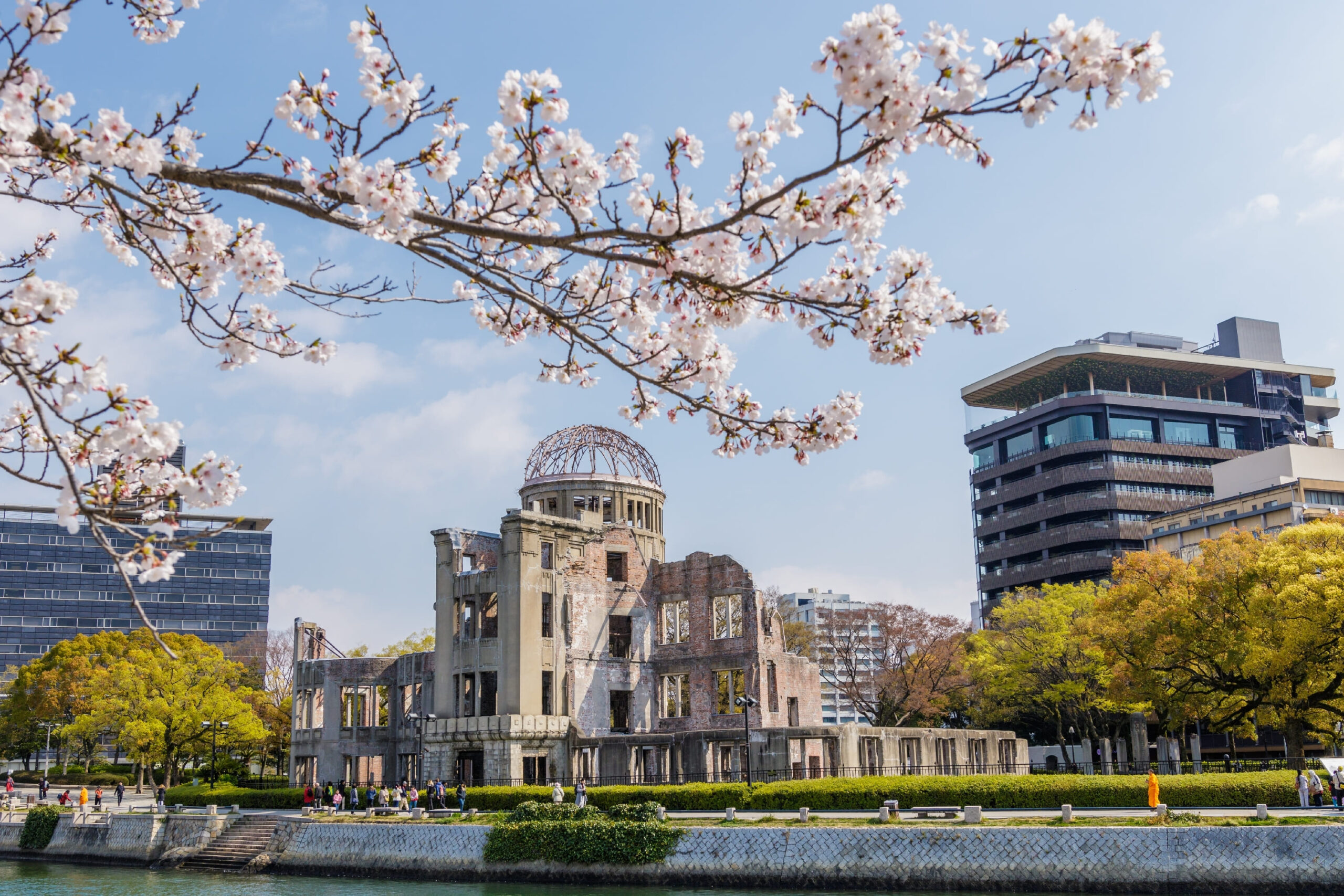
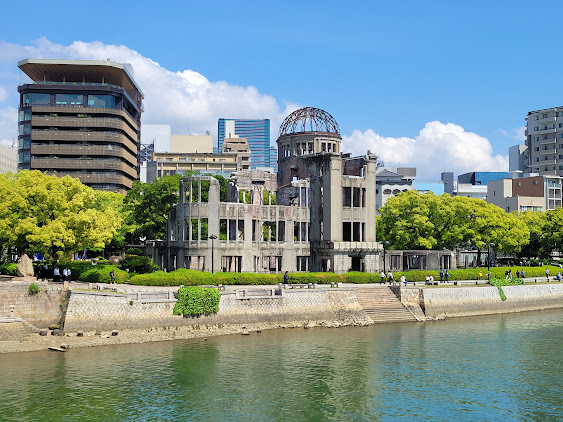
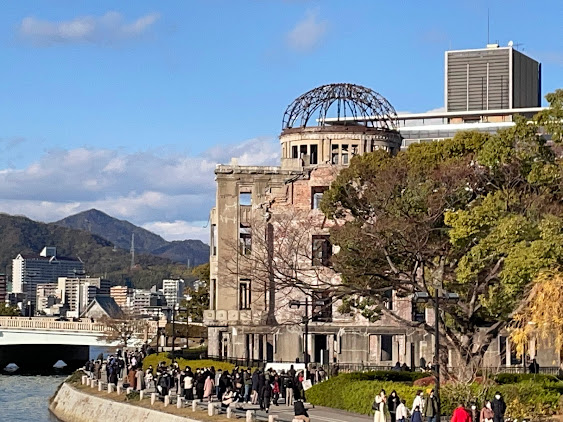
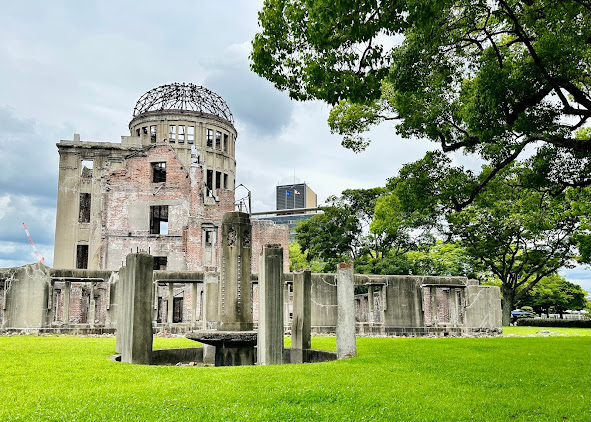
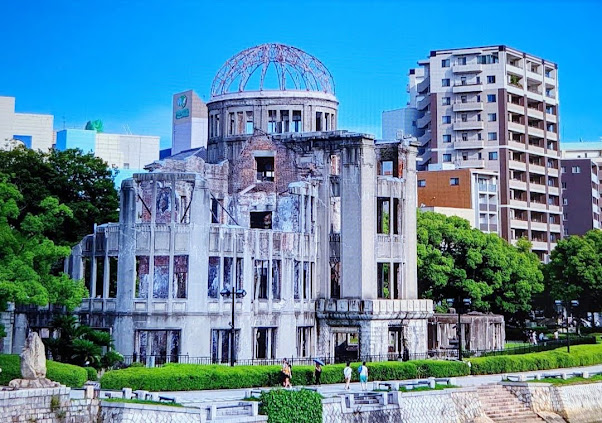
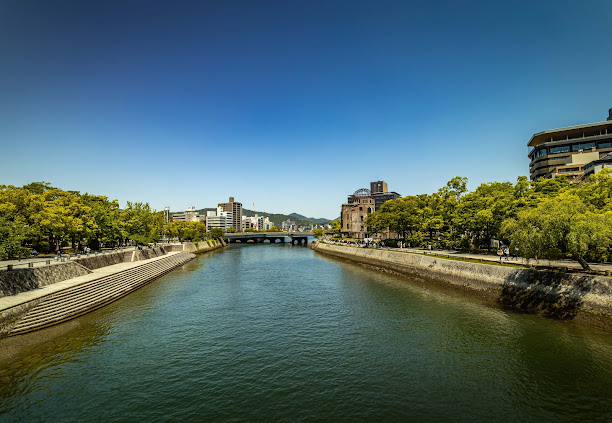
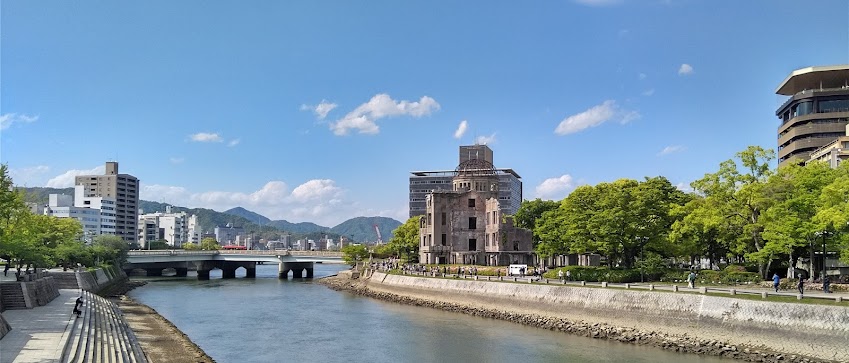
The Atomic Bomb Dome is one of the few buildings that survived the atomic bombing in 1945. It stands as a stark reminder of the destruction caused and the resilience of the people of Hiroshima.
Historical Significance
The dome is a UNESCO World Heritage Site and was originally the Hiroshima Prefectural Industrial Promotion Hall.





Location
1-10 Otemachi, Naka Ward, Hiroshima, Japan.
Traveling
Located within Peace Memorial Park, a short walk from Genbaku Dome-mae Station.
Nearby Eateries
- Hassei: Serves authentic Japanese teppanyaki.
- Café Ponte: Italian cuisine by the river.
Cost
Free to view.
Hiroshima Peace Memorial Museum
Description
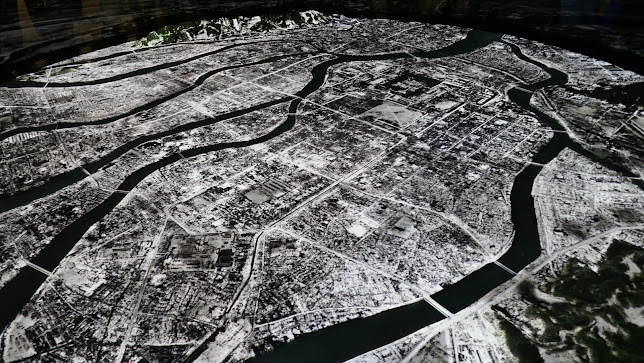
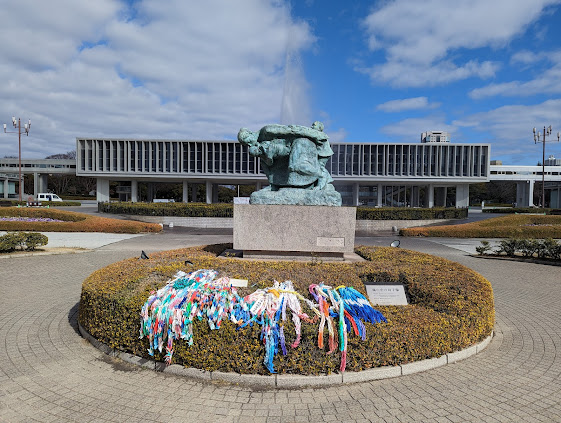
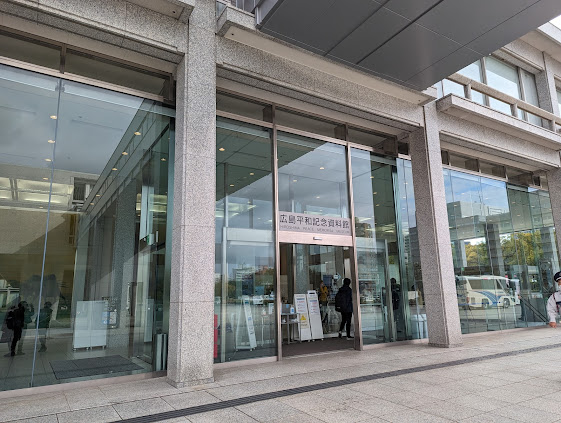
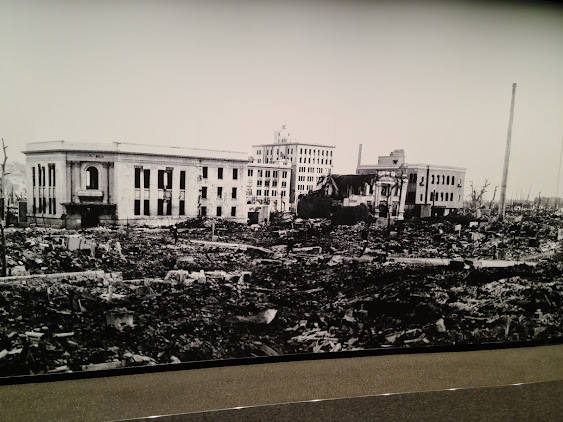
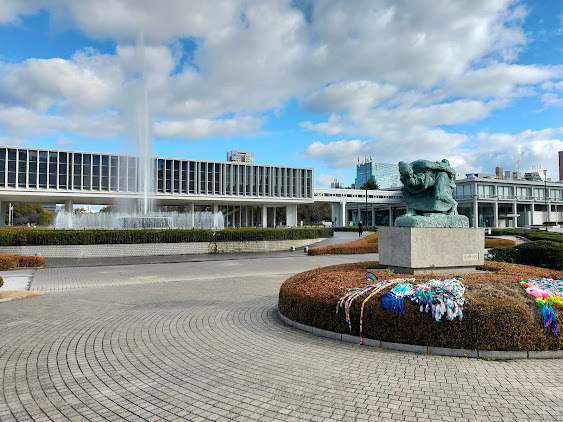
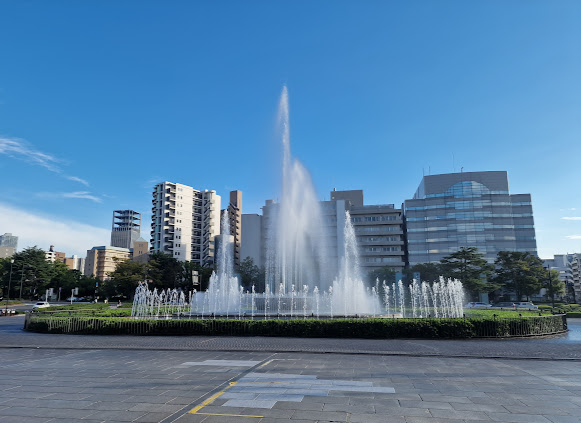
The Hiroshima Peace Memorial Museum provides detailed exhibits about the atomic bombing, including survivor stories and artifacts. The museum aims to educate visitors on the importance of peace.
Historical Significance
Opened in 1955, the museum plays a crucial role in preserving the history of the bombing and advocating for nuclear disarmament.



Location
1-2 Nakajimacho, Naka Ward, Hiroshima, Japan.
Traveling
Inside Peace Memorial Park, accessible from Genbaku Dome-mae Station.
Nearby Eateries
- Okonomimura: A building dedicated to okonomiyaki.
- Matsuriya: Offers affordable bento boxes.
Cost
Adults ¥200, students ¥100, children free.
Itsukushima Shrine (Miyajima Island)
Description
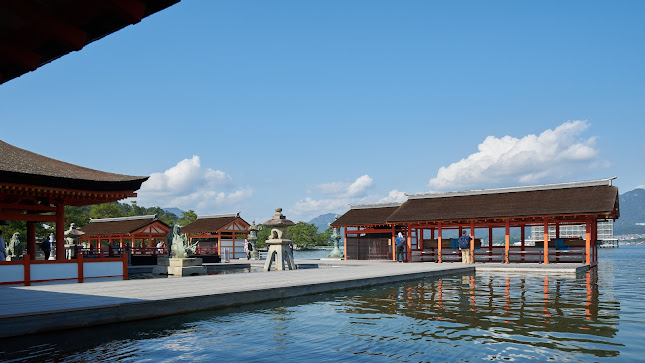
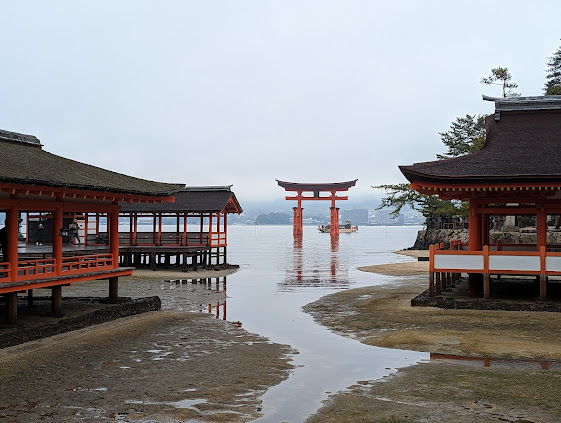
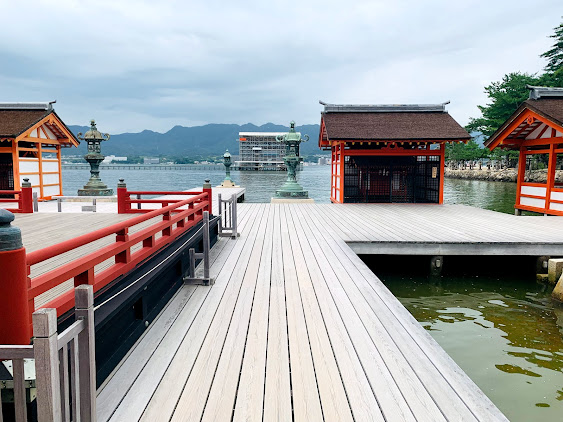
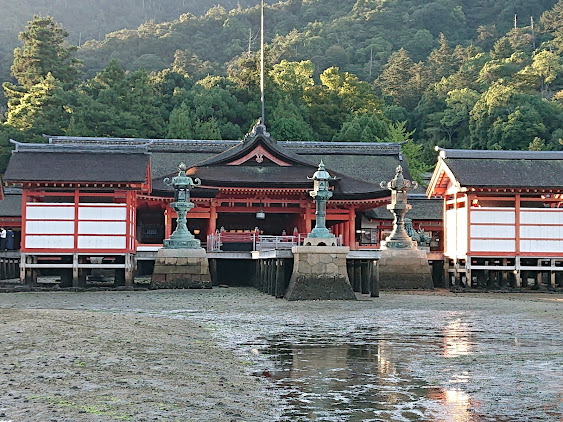
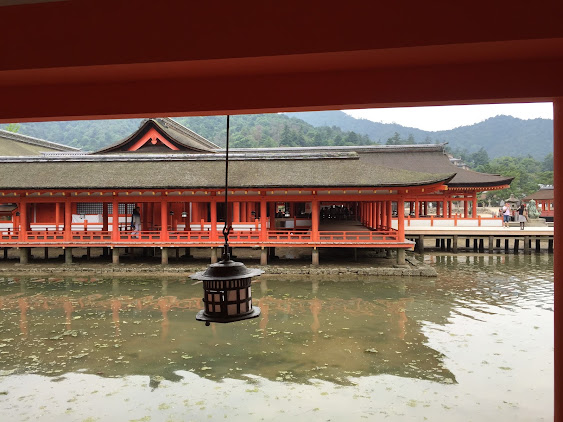
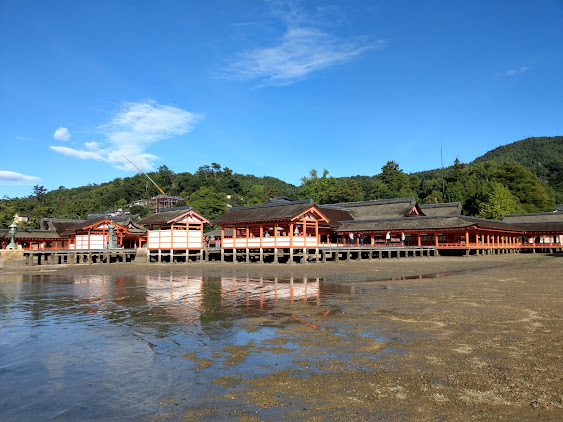
Itsukushima Shrine is famous for its “floating” torii gate, which appears to rise from the sea during high tide. The shrine’s beautiful architecture and stunning views make it a must-visit.
Historical Significance
The shrine dates back to the 6th century and is a UNESCO World Heritage Site. It was built to honor the gods of the sea and storms.

Location
1-1 Miyajimacho, Hatsukaichi, Hiroshima, Japan.
Traveling
Take a ferry from Miyajimaguchi Station to the island.
Nearby Eateries
- Kakiya: Specializes in oysters. Website
- Momijiya: Serves traditional Japanese sweets.
Cost
Adults ¥300, children ¥100.
Hiroshima Castle
Description
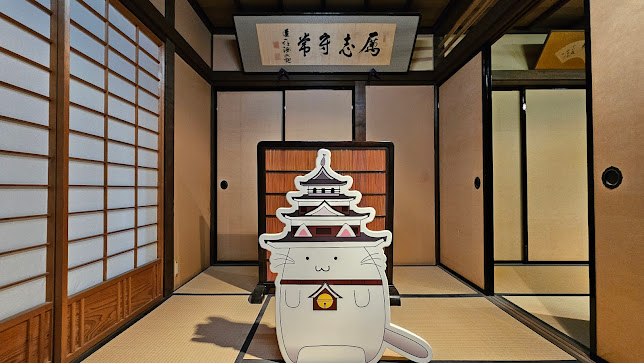
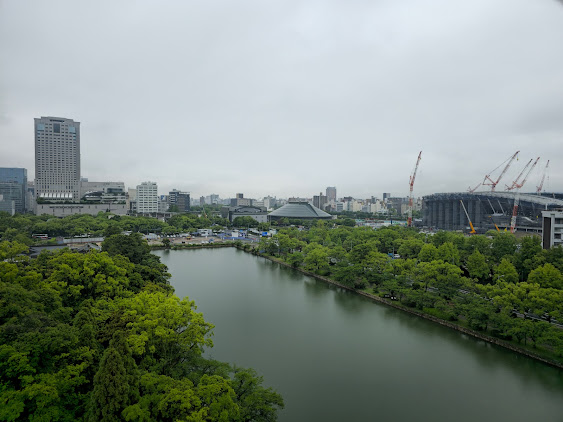
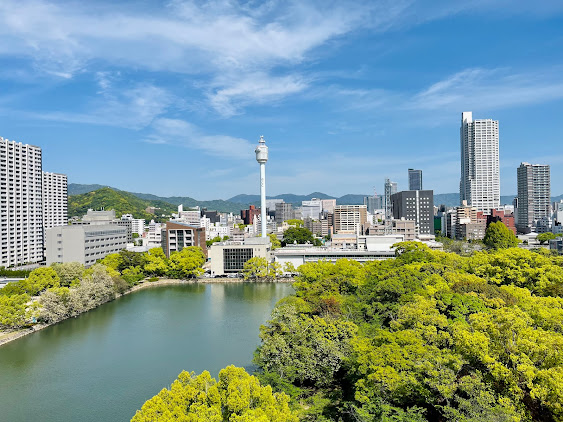
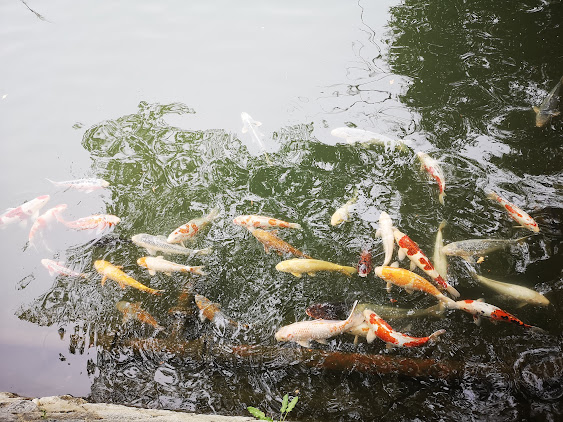
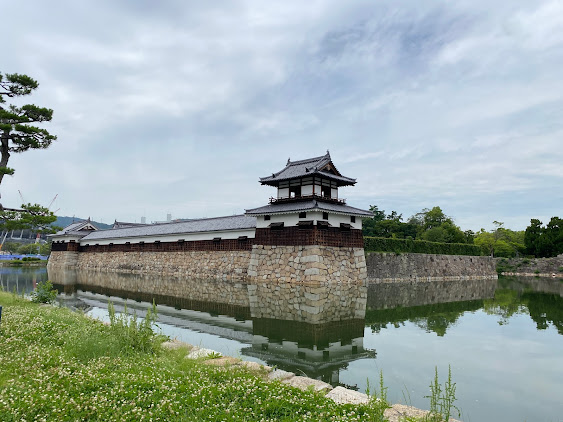
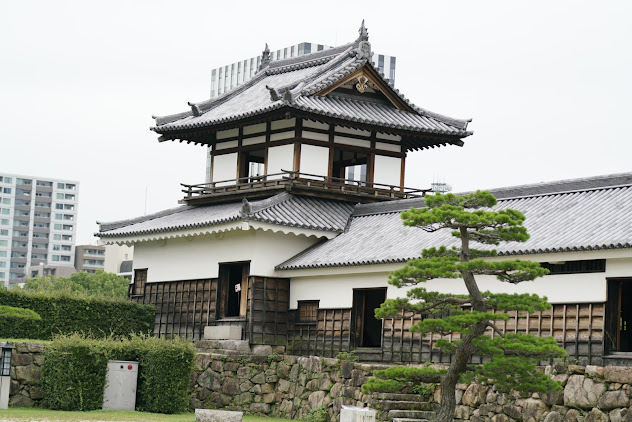
Hiroshima Castle, also called Carp Castle, is a reconstructed feudal castle surrounded by a moat. It includes a museum showcasing the history of samurai culture in Hiroshima.
Historical Significance
The original castle was destroyed in the atomic bombing but was rebuilt in 1958 to preserve its historical importance.

Location
21-1 Motomachi, Naka Ward, Hiroshima, Japan.
Traveling
A 10-minute walk from Kamiyacho-nishi Station.
Nearby Eateries
- Nabezo Hiroshima: Hot pot restaurant.
- Yakigaki no Hayashi: Known for grilled oysters.
Cost
¥370 for adults, ¥180 for children.
Shukkei-en Garden
Description
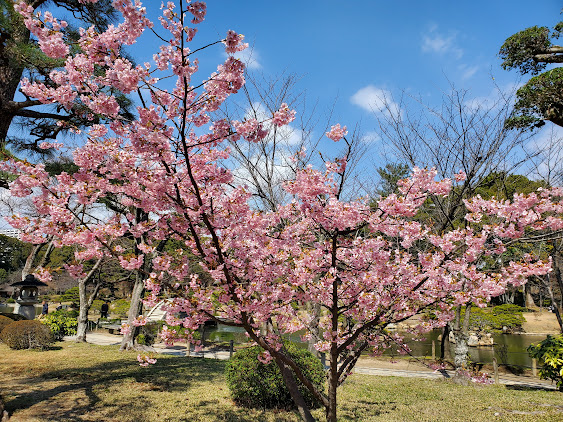
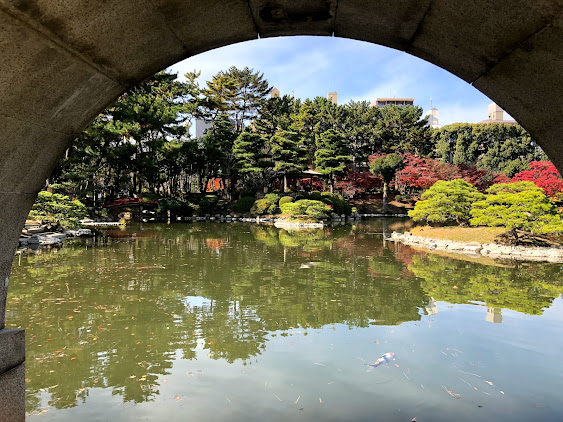
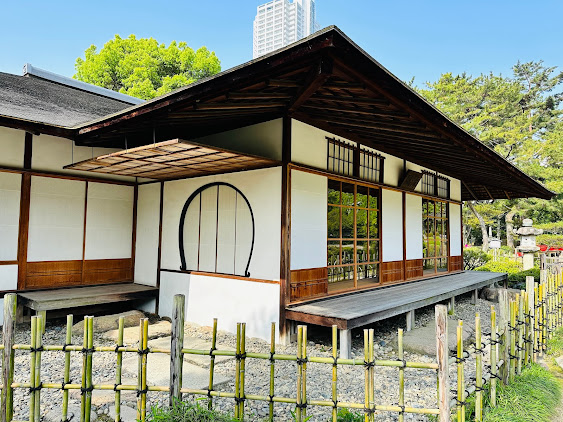
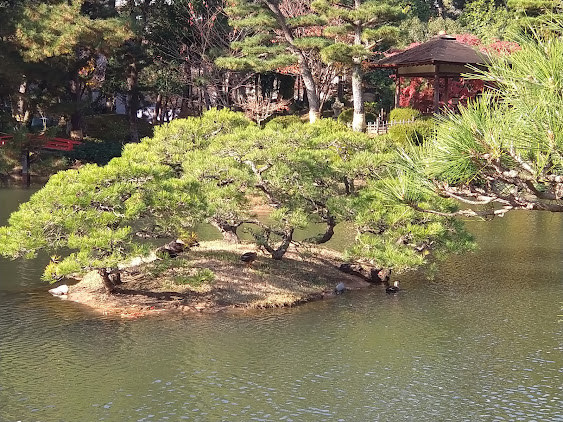
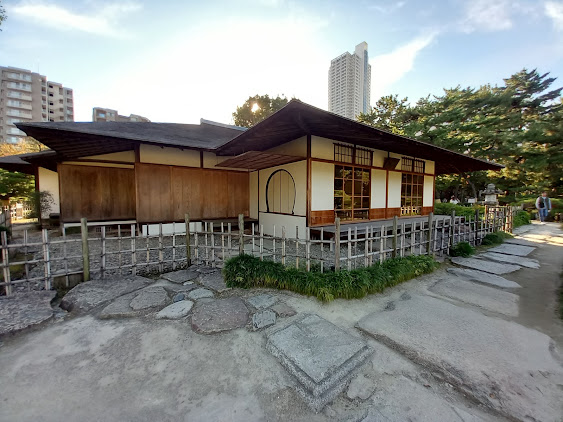
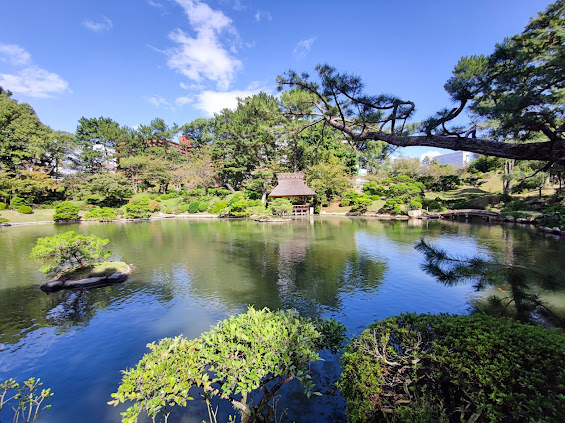
Shukkei-en is a traditional Japanese garden with beautiful ponds, bridges, and seasonal flowers. It’s a peaceful spot to relax and enjoy nature.
Historical Significance
Created in 1620, the garden was originally built for the feudal lord of Hiroshima.

Location
2-11 Kaminobori-cho, Naka Ward, Hiroshima, Japan.
Traveling
A 10-minute walk from Shukkeien-mae Station.
Nearby Eateries
- Shakkei-en Café: A small café inside the garden.
- Rakuzen: Serves traditional Japanese meals.
Cost
¥260 for adults, ¥150 for students.
Hiroshima Museum of Art
Description
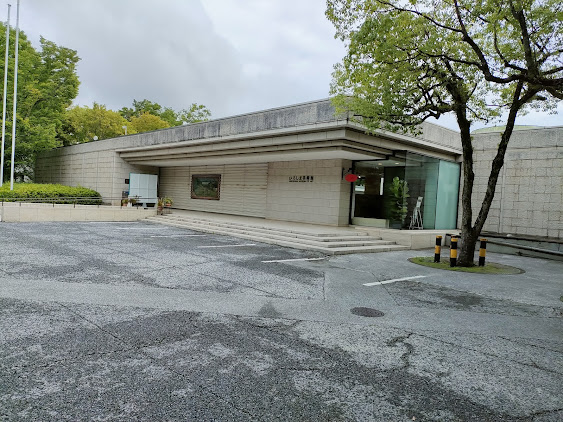
This museum features a collection of European and Japanese modern art. It’s a great spot for art enthusiasts and those looking for a quiet cultural experience.
Historical Significance
Opened in 1978, the museum celebrates Hiroshima’s recovery and connection to global culture through art.
Location
3-2 Motomachi, Naka Ward, Hiroshima, Japan.
Traveling
A 5-minute walk from Kamiyacho-nishi Station.
Nearby Eateries
- Museum Café: Light refreshments and coffee.
- Bakery Café Lien: Offers fresh pastries.
Cost
Adults ¥1,000, students ¥500.
Mitaki-dera Temple
Description
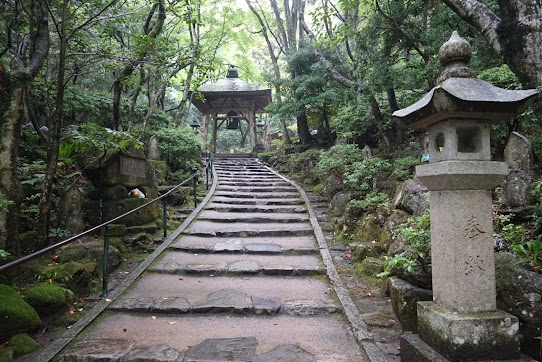
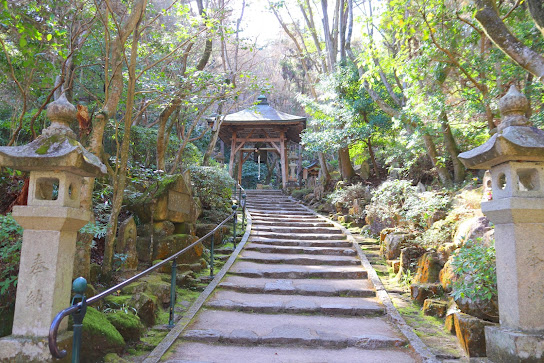
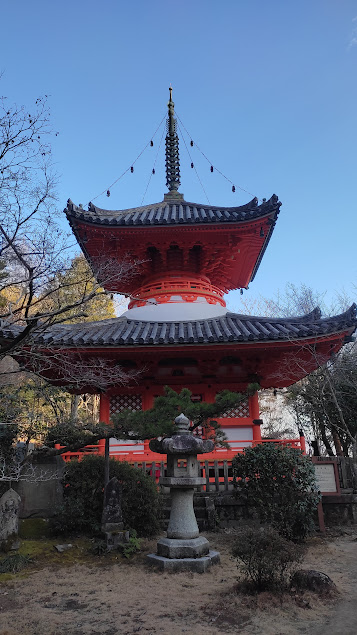
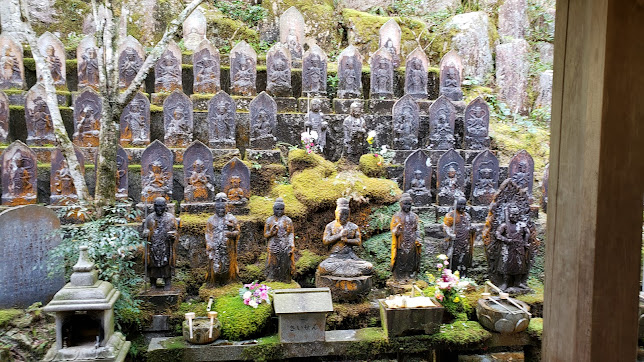
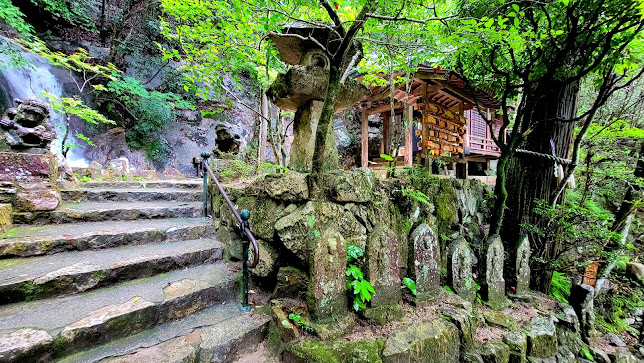
Mitaki-dera is a serene Buddhist temple surrounded by lush greenery and waterfalls. It’s especially beautiful during autumn when the leaves change color.
Historical Significance
The temple was built in 809 AD and is dedicated to Kannon, the goddess of mercy.




Location
411 Mitakiyama, Nishi Ward, Hiroshima, Japan.
Traveling
A short taxi ride from Mitaki Station.
Nearby Eateries
- Mitaki Café: Offers tea and snacks.
- Seiyu: Traditional Japanese meals.
Cost
Free to enter.
Hiroshima Orizuru Tower
Description
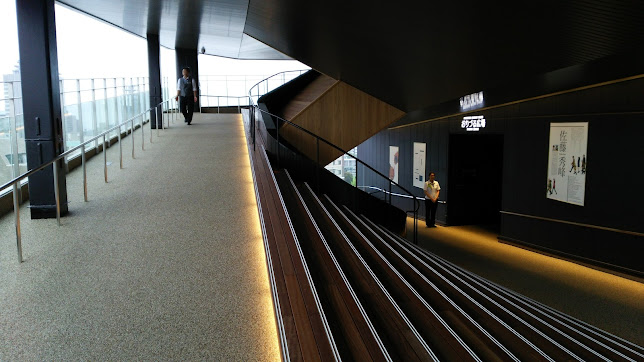
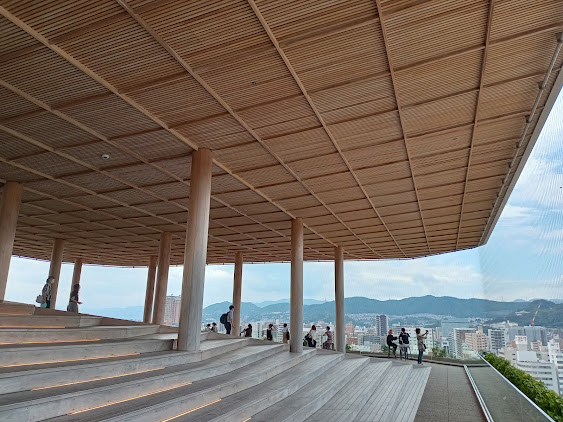
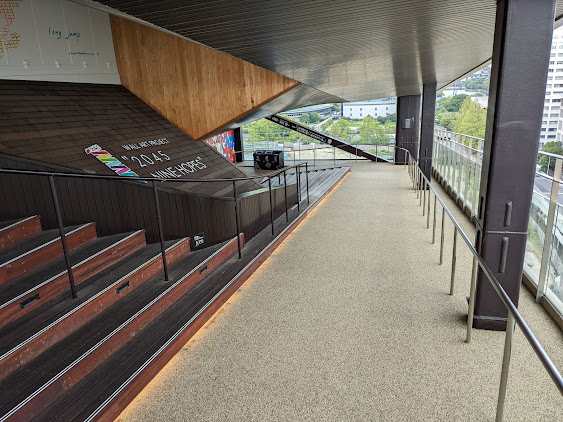
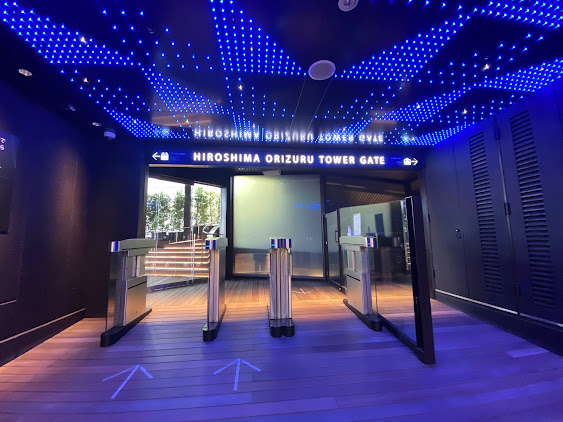
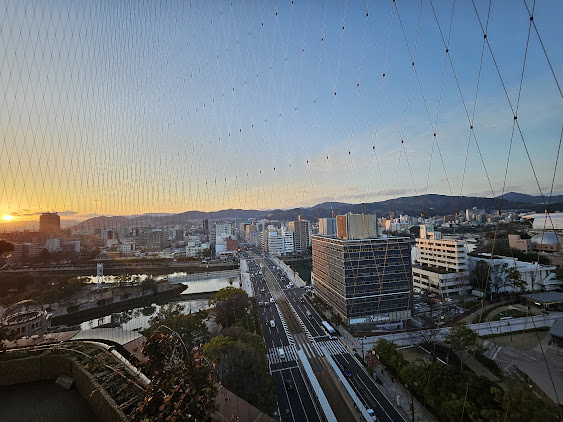
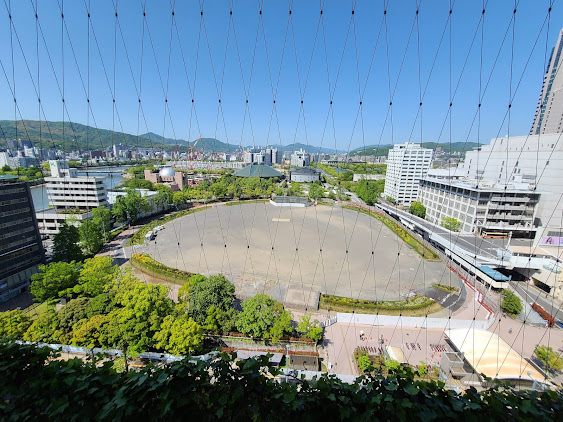
Orizuru Tower offers panoramic views of Hiroshima and a space to make paper cranes as a symbol of peace. Its modern design blends culture and technology.
Historical Significance
The tower is near the Atomic Bomb Dome and encourages reflection on Hiroshima’s history while looking toward the future.
Location
1-2-1 Otemachi, Naka Ward, Hiroshima, Japan.
Traveling
Next to Genbaku Dome-mae Station.
Nearby Eateries
- Orizuru Café: Located in the tower.
- Peace Café: Serves healthy, organic meals.
Cost
¥1,700 for adults, ¥900 for students.
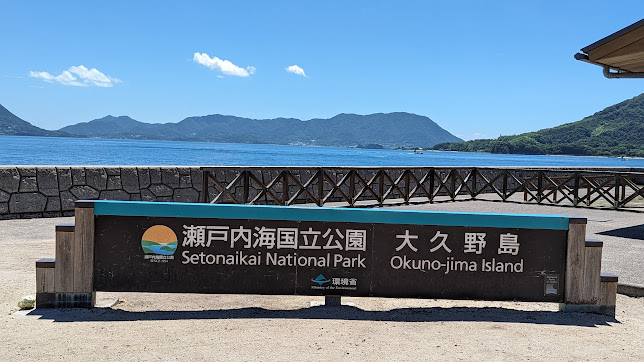
Okunoshima Island (Rabbit Island)
Description
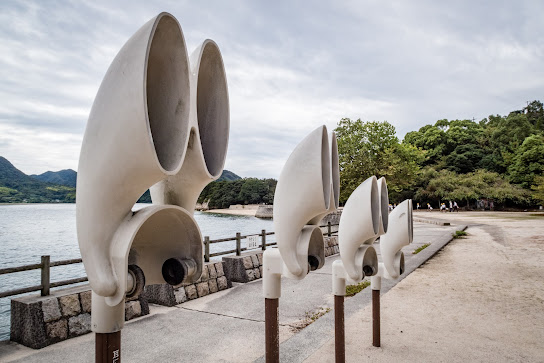
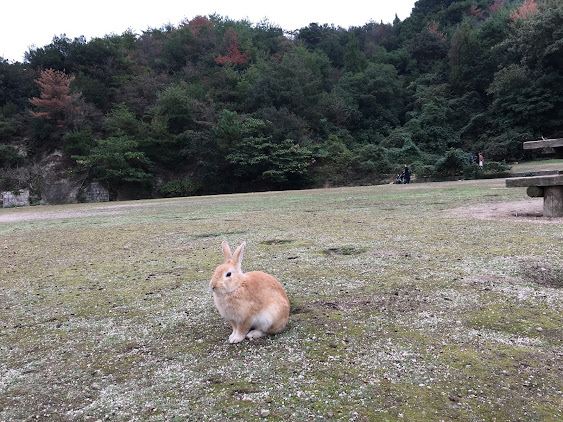
Okunoshima, known as Rabbit Island, is home to hundreds of friendly rabbits that roam freely. Visitors can feed and interact with the rabbits while exploring the island’s natural beauty.
Historical Significance
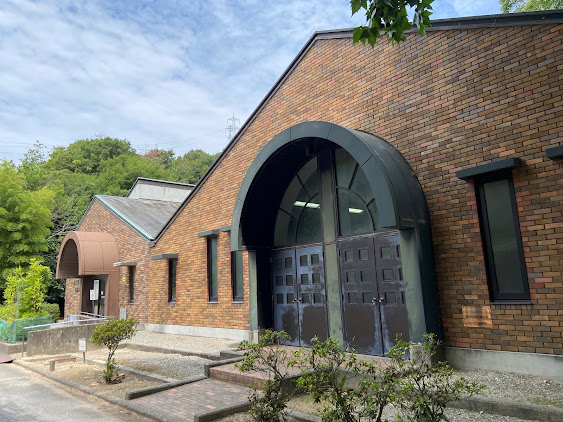
The island was once used to produce chemical weapons during WWII but has since become a peaceful tourist destination.
Location
Takehara, Hiroshima Prefecture, Japan.
Traveling
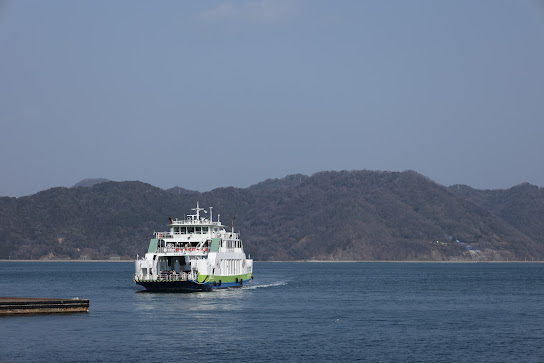
A ferry ride from Tadanoumi Station.
Nearby Eateries
- Island Café: Offers snacks and drinks.
- Okuno Restaurant: Casual dining near the ferry terminal.
Cost
Ferry ticket costs ¥300–¥620.