




Marseille
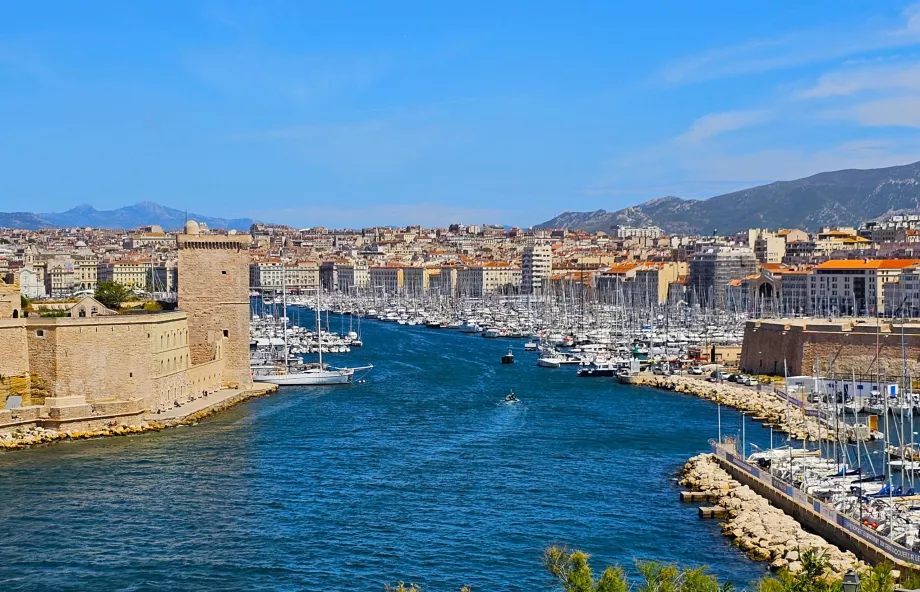
Marseille, a vibrant port city in southern France, is full of unique places to explore. The Old Port (Vieux-Port) is a lively area where you can see colorful fishing boats and try fresh seafood. The stunning Basilique Notre-Dame de la Garde offers panoramic views of the city and sea. Wander through Le Panier, the oldest neighborhood, with narrow streets and artsy shops.
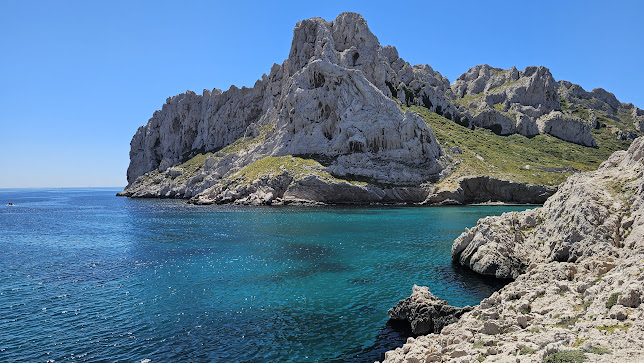
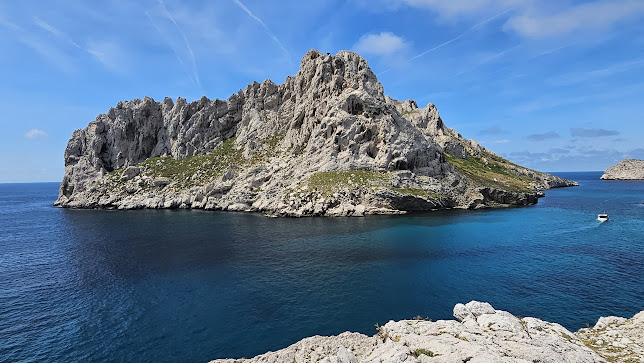
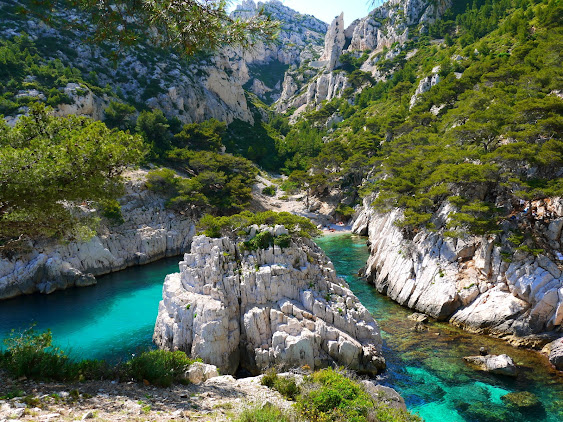
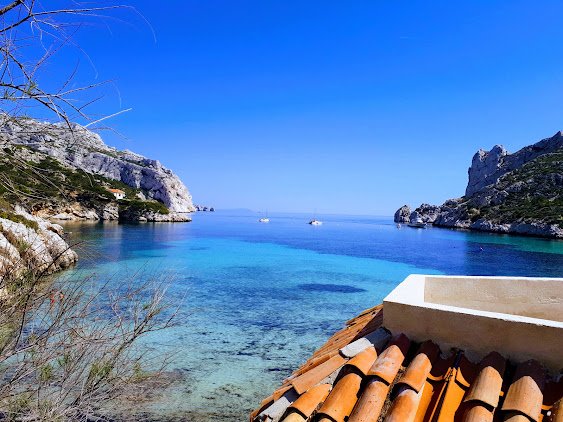
The Calanques National Park is perfect for nature lovers, with beautiful coves and blue waters. Marseille combines history, culture, and scenic beauty, making it an exciting destination for visitors.
Old Port (Vieux-Port)
Description
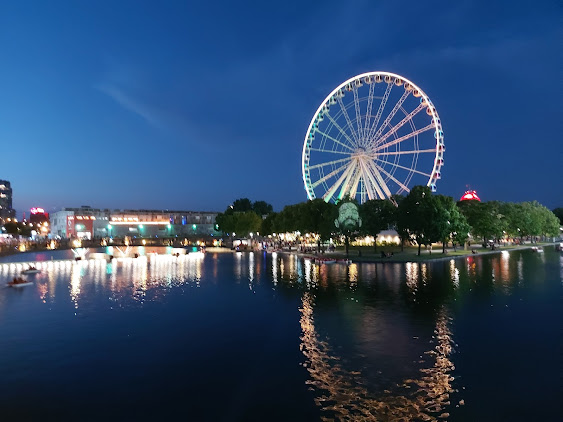
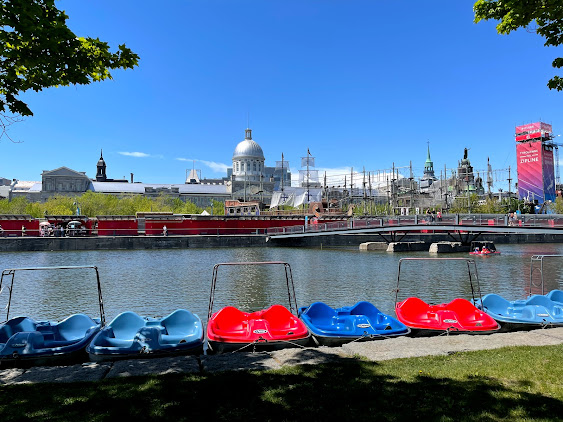
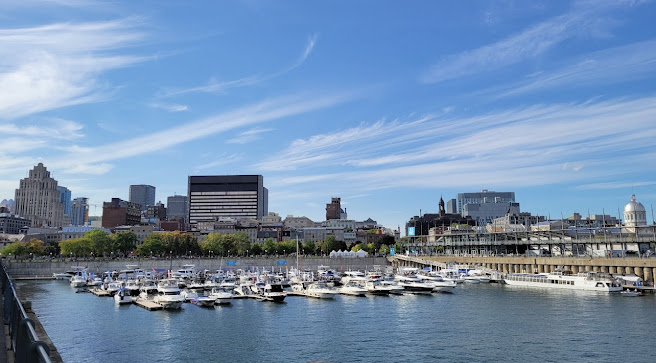
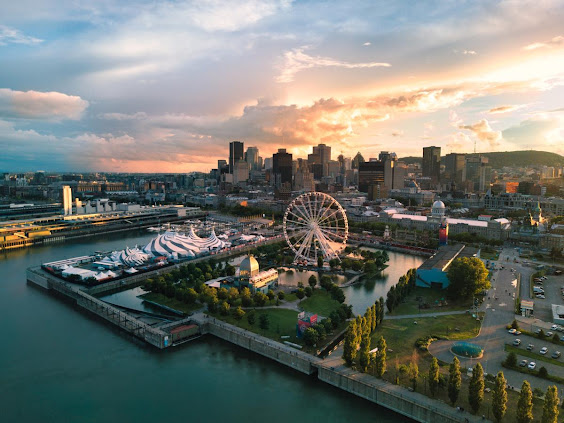
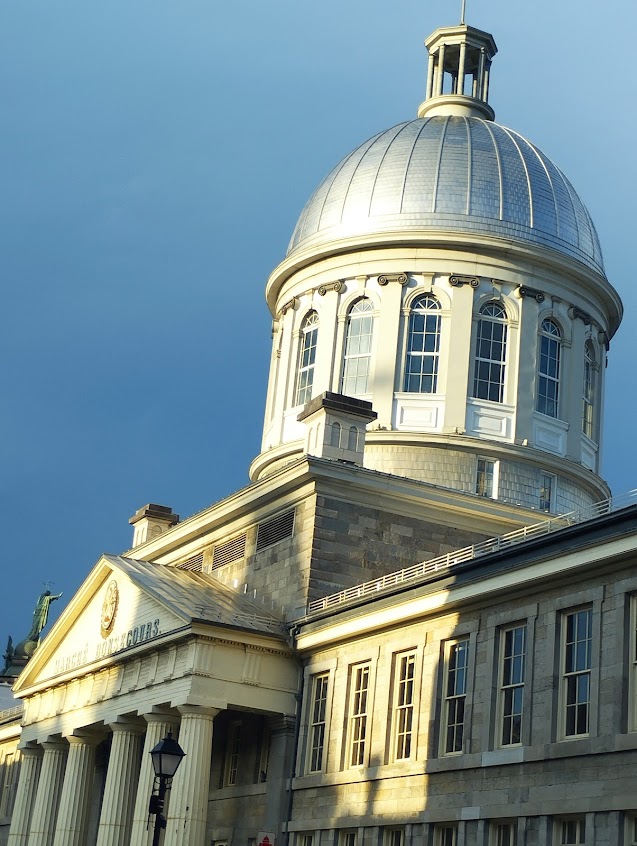
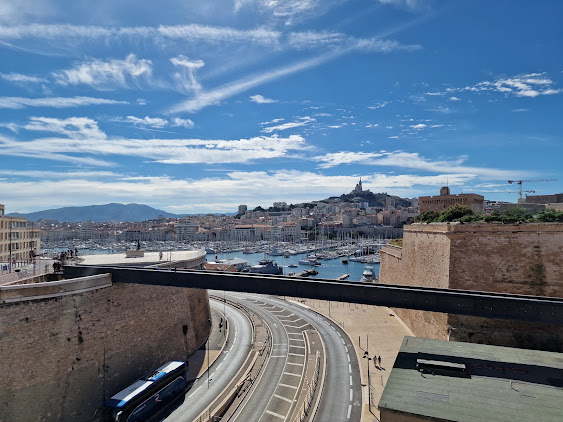
The Old Port, or Vieux-Port, is the heart of Marseille and has been the city’s port since ancient times. It’s a lively spot where you can watch boats come and go, stroll along the marina, and soak in the vibrant atmosphere. Surrounded by shops, cafes, and seafood restaurants, it’s perfect for a day out.
Historical Significance of Old Port
Dating back over 2,600 years, the Old Port is one of the oldest ports in the Mediterranean and holds a central place in Marseille’s history as a hub of trade and culture.




Location of Old Port
Quai des Belges, 13001 Marseille, France

Traveling
Accessible by metro (Vieux-Port station) and several bus routes.
Nearby Eateries
- La Caravelle: lacaravelle-marseille.com
- Le Miramar: lemiramar.fr
Cost
Free to visit.
Basilique Notre-Dame de la Garde
Description
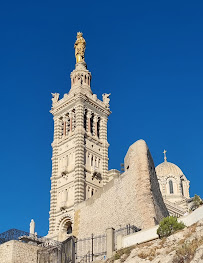
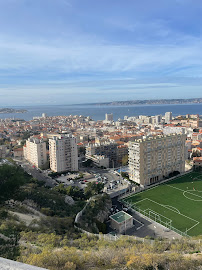
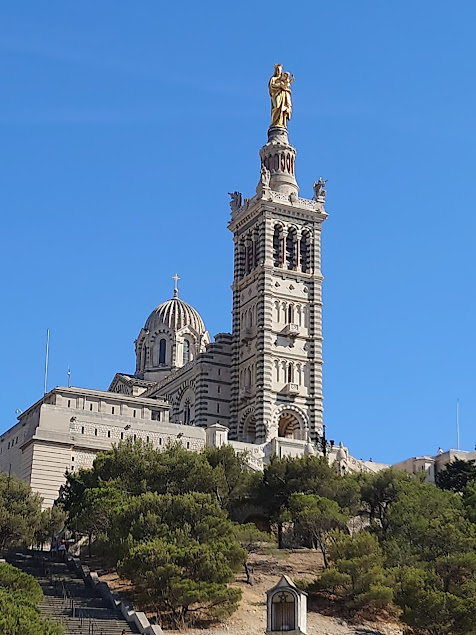
The Basilique Notre-Dame de la Garde is Marseille’s iconic basilica, perched on a hill and offering panoramic views of the city and sea. Inside, you’ll find beautiful mosaics, stained glass, and a golden Madonna statue at the top.
Historical Significance of Basilique Notre-Dame de la Garde
Built in the 19th century, the basilica is a cherished landmark where locals and sailors alike come to pray for protection.



Location of Basilique Notre-Dame de la Garde
Rue Fort du Sanctuaire, 13281 Marseille, France
Traveling
Accessible by bus (no. 60) or tourist train from the Old Port.
Nearby Eateries
- L’Épuisette: restaurant-epuisette-marseille.com
- Chez Fonfon: chez-fonfon.com
Cost
Free entry, donations welcome.
Le Panier (Old Town)
Description
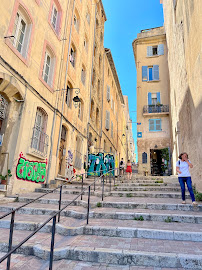
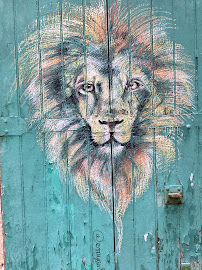
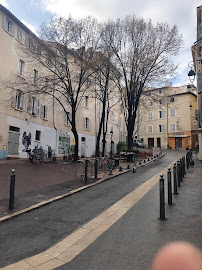
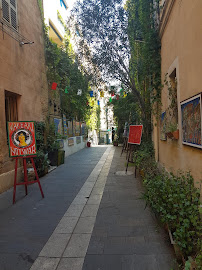
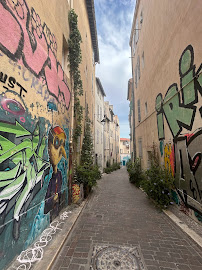
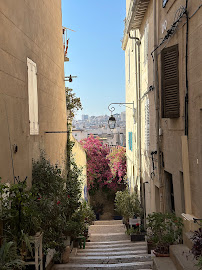
Le Panier is Marseille’s historic neighborhood, known for its narrow, winding streets, colorful buildings, and charming squares. It’s filled with artisanal shops, cafes, and street art, making it a lovely area to explore on foot.
Historical Significance of Le Panier
As the oldest part of Marseille, Le Panier reflects the city’s multicultural history and was originally settled by Greeks in 600 BC.
Location of Le Panier
13002 Marseille, France
Traveling
A short walk from the Old Port or accessible by tram and bus.
Nearby Eateries
- Au Coeur du Panier: aucoeurdupanier.com
- La Table du Fort: latabledufort.com
Cost
Free to explore.
Calanques National Park
Description
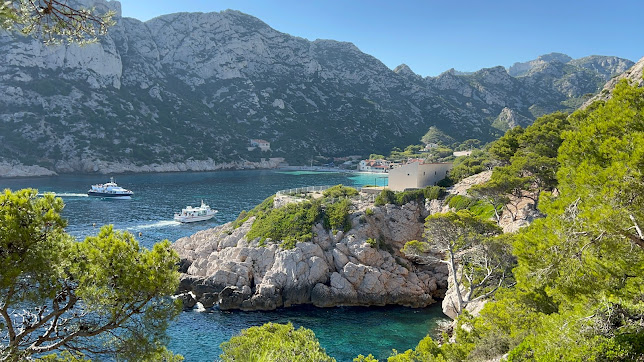
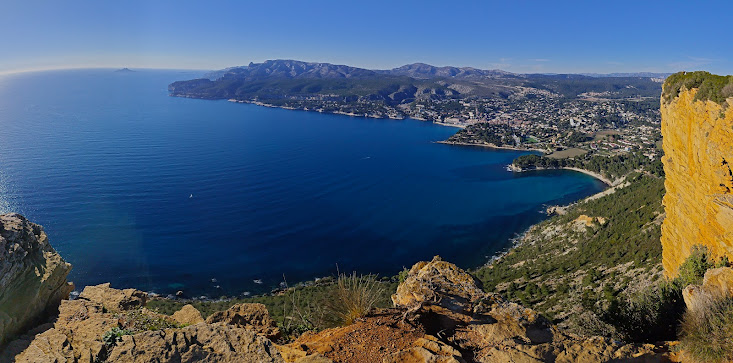
Calanques National Park is a natural paradise filled with stunning cliffs, turquoise waters, and scenic hiking trails. It’s a fantastic spot for outdoor activities like hiking, swimming, and kayaking, offering breathtaking views at every turn.
Historical Significance of Calanques National Park
The Calanques have been a protected natural site since 2012 and are valued for their unique ecosystem and beauty, attracting nature lovers from all over.



Location of Calanques National Park
13009 Marseille, France
Traveling
Accessible by bus and then a hike; some areas require a car or guided tour.
Nearby Eateries
- Le Nautic (Cassis): lenautic-cassis.com
- Chez Gilbert (Cassis): chezgilbert.net
Cost
Free entry; some activities like boat tours have fees.
MuCEM (Museum of European and Mediterranean Civilizations)
Description
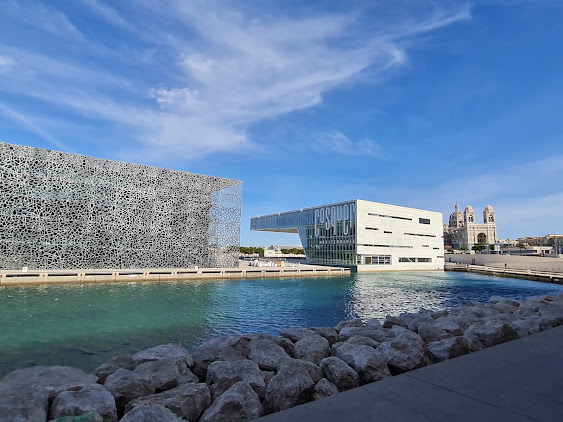
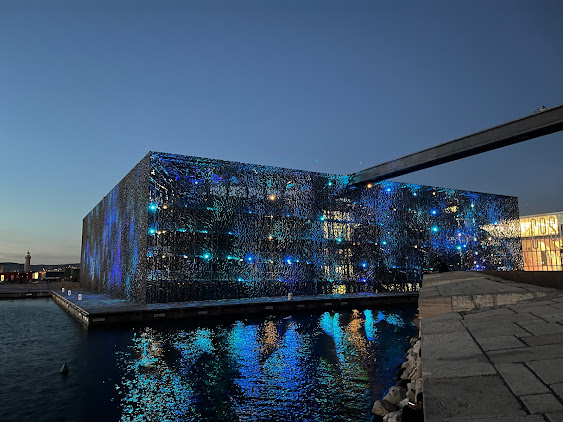
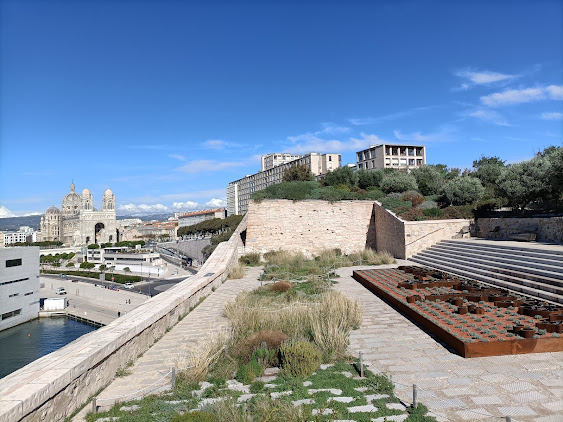
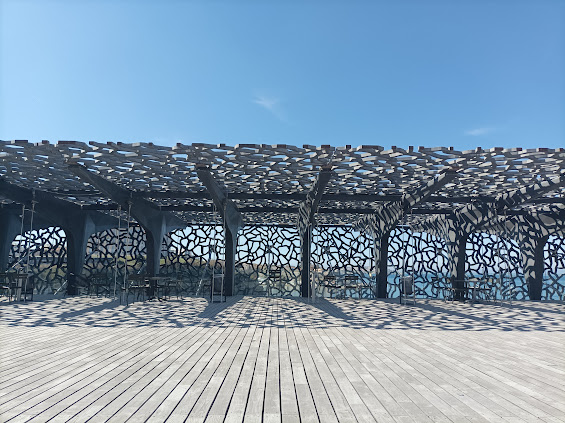
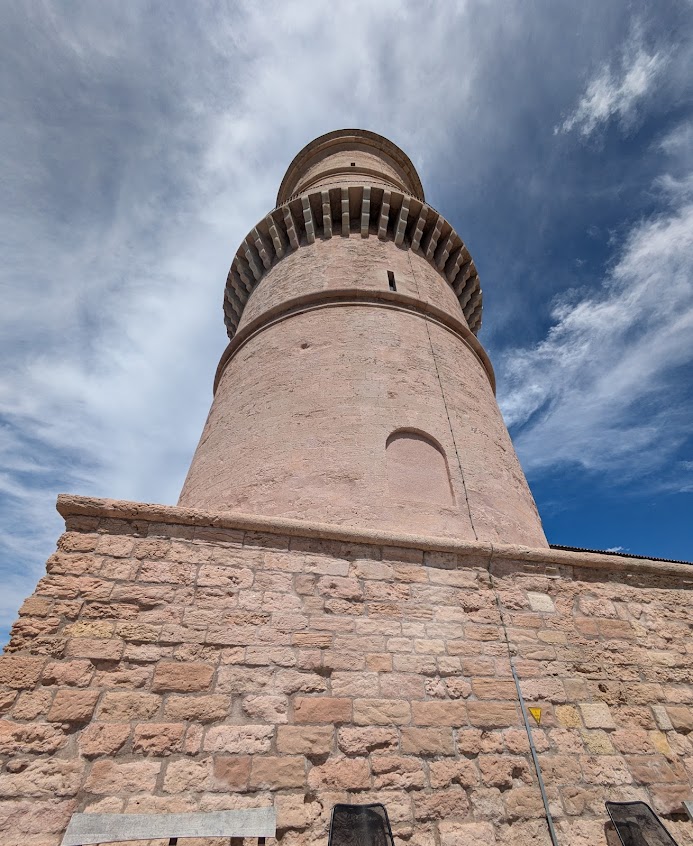
MuCEM is a modern museum showcasing Mediterranean culture and history through various exhibits. The building’s striking architecture and sea views make it a fascinating place to explore, with exhibits ranging from art to anthropology.
Historical Significance of MuCEM
Opened in 2013, MuCEM is one of Marseille’s newer cultural landmarks and reflects the city’s deep connection to the Mediterranean.


Location of MuCEM
7 Promenade Robert Laffont, 13002 Marseille, France
Traveling
Accessible by metro (Joliette station) and bus routes.
Nearby Eateries
- Le Café des Épices: lecafedesepices.com
- Les Trois Forts: lesttroisforts.com
Cost
Adults: €9.50, free for EU residents under 26.
Château d’If
Description
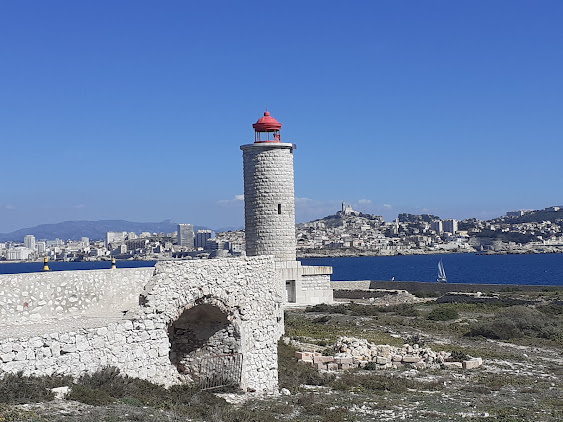
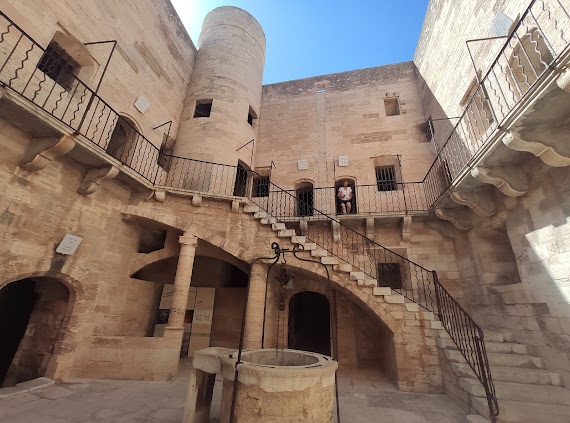
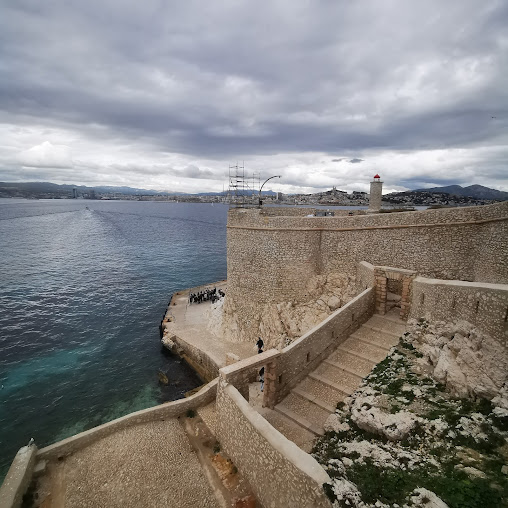
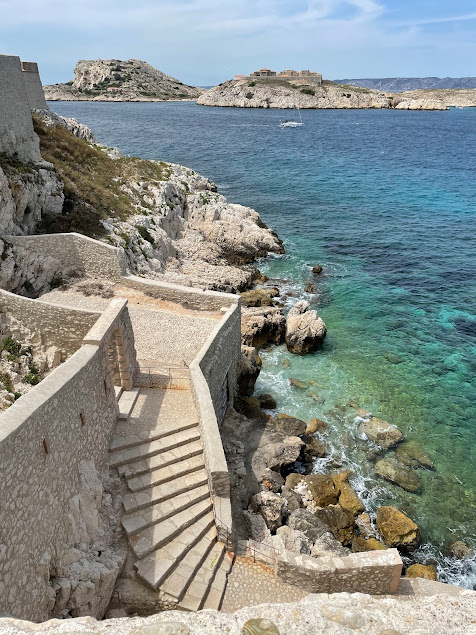
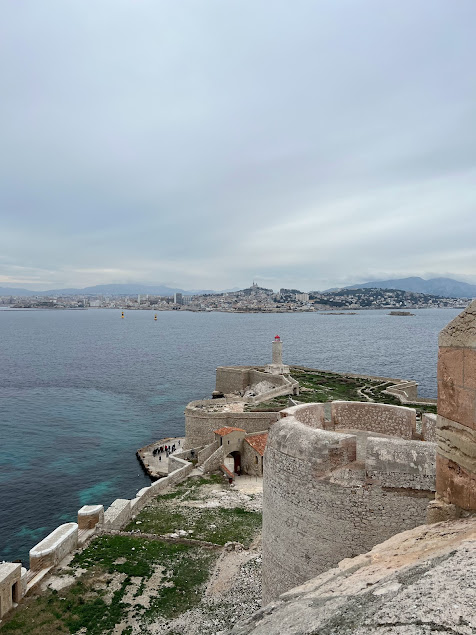
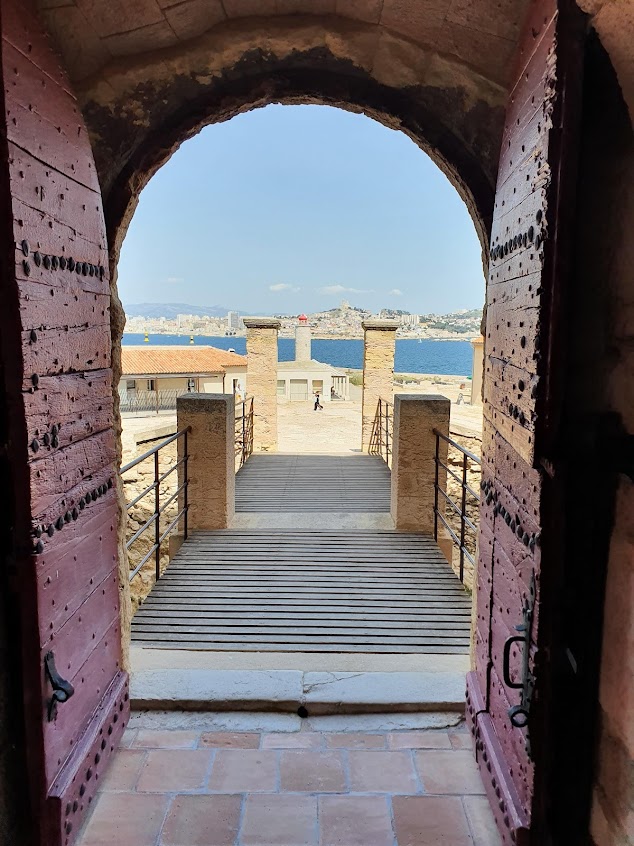
The Château d’If is an island fortress famous for being the setting of The Count of Monte Cristo. The historic prison and its stunning sea views make it a popular spot for day trips.
Historical Significance of Château d’If
Built in the 16th century, Château d’If served as a prison for political and religious prisoners, including fictional character Edmond Dantès.



Location of Château d’If
Île d’If, off the coast of Marseille, France
Traveling
Accessible by ferry from the Old Port.
Nearby Eateries
- Chez Jeannot (Old Port area): chez-jeannot.com
Cost
Adults: €6, ferry ticket additional.
Palais Longchamp
Description
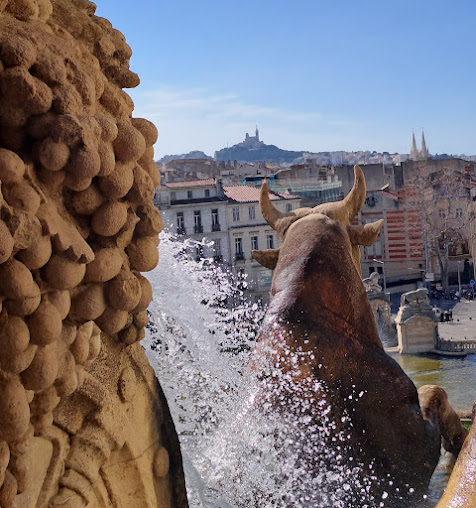
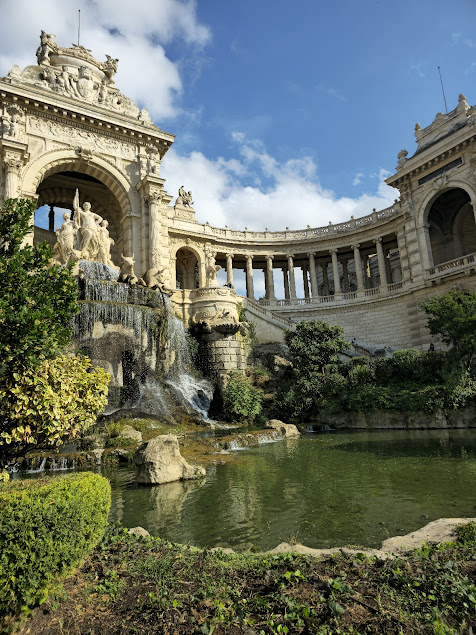
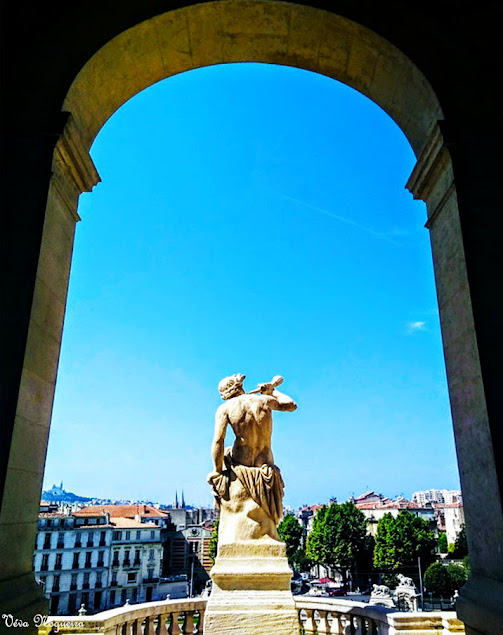
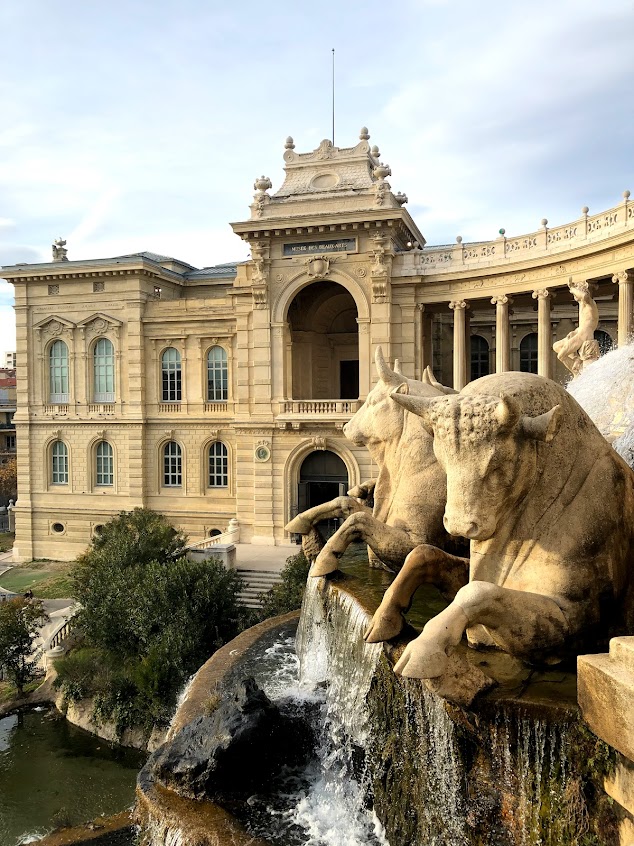
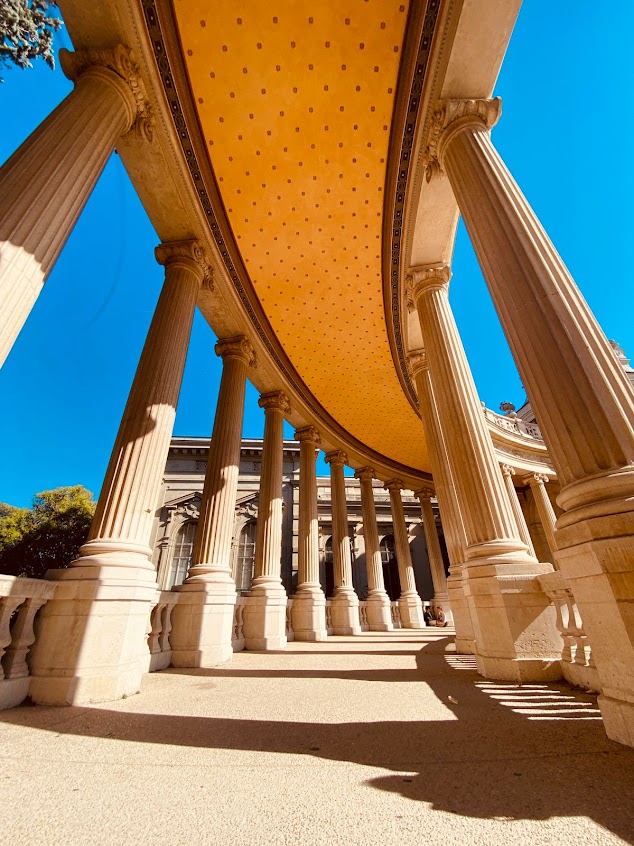
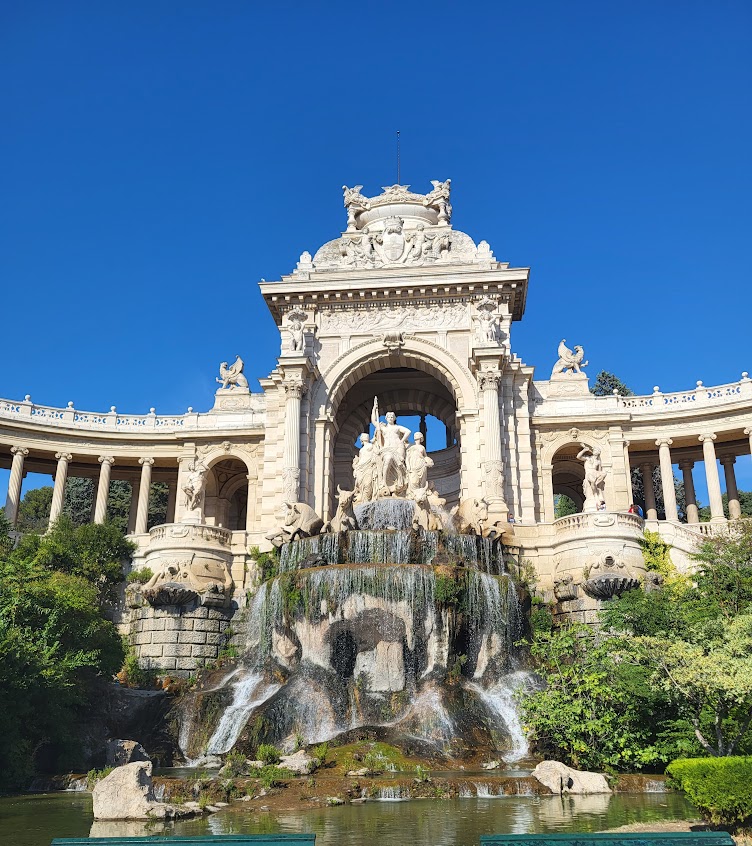
Palais Longchamp is a beautiful 19th-century palace with lush gardens, grand fountains, and two museums – the Museum of Fine Arts and the Natural History Museum. It’s a peaceful and scenic place to unwind.
Historical Significance of Palais Longchamp
Built in the 1860s, Palais Longchamp was created to celebrate the arrival of water in Marseille through a canal, marking a significant engineering achievement for the city.



Location of Palais Longchamp
Blvd du Jardin Zoologique, 13004 Marseille, France
Traveling
Accessible by metro (Cinq Avenues – Longchamp station).
Nearby Eateries
- La Cantinetta: lacantinetta.fr
- Le Petit Nice: petitnice-passedat.com
Cost
Free to enter gardens; museum entry: €5.
La Corniche (Coastal Road)
Description
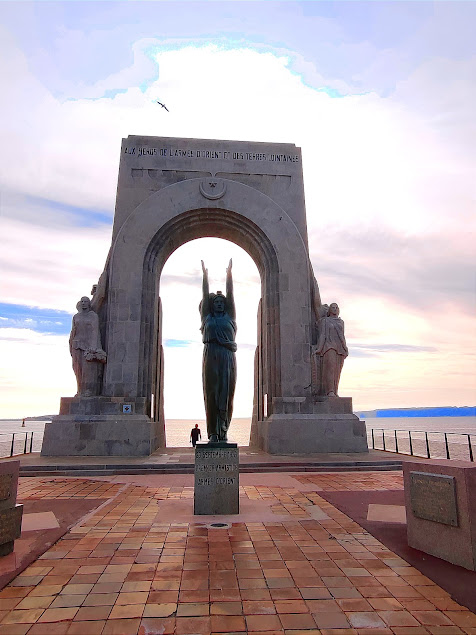
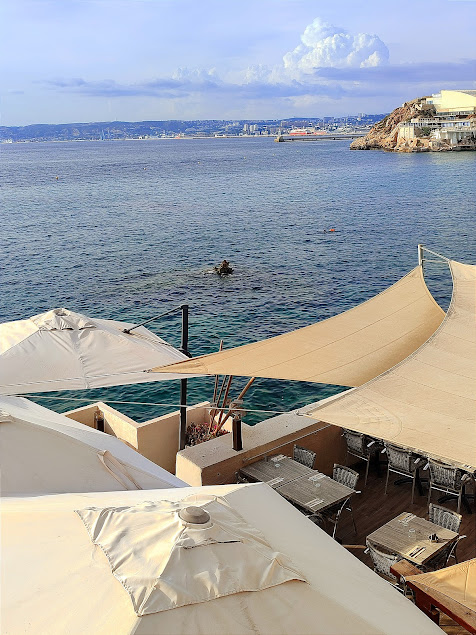
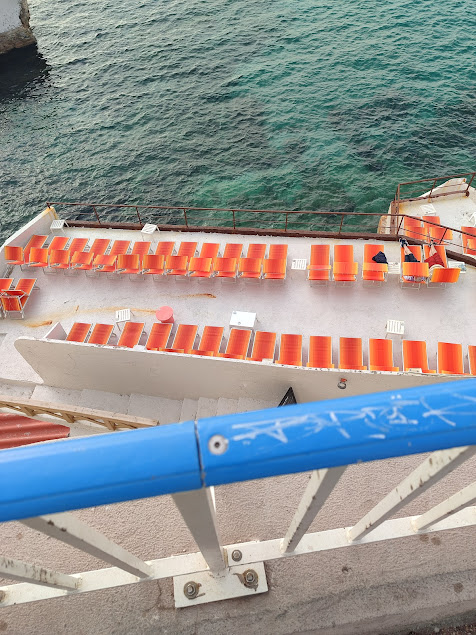
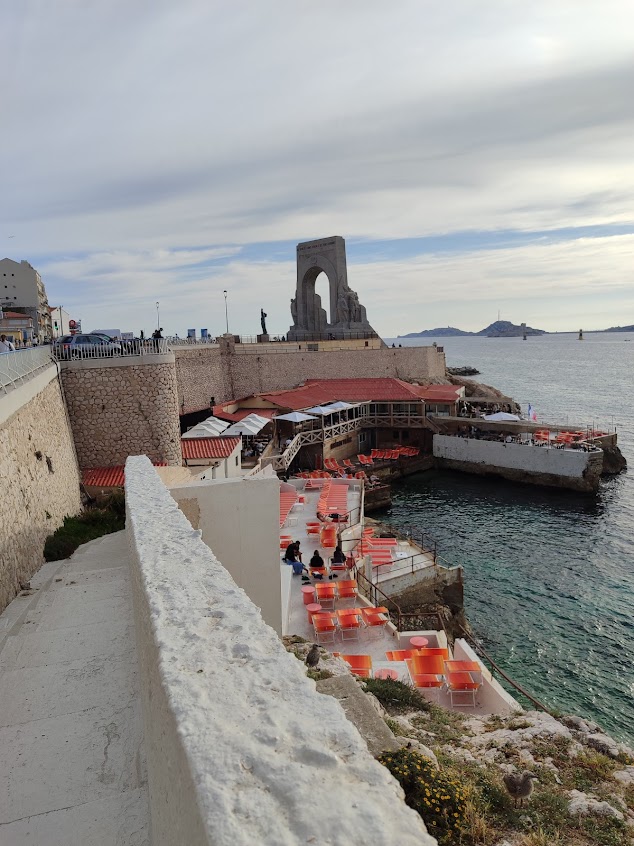
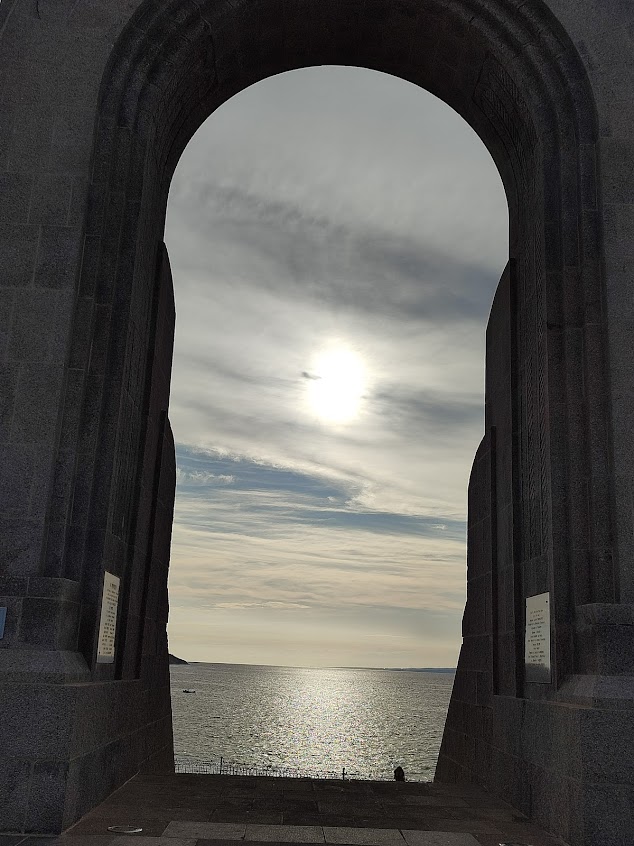
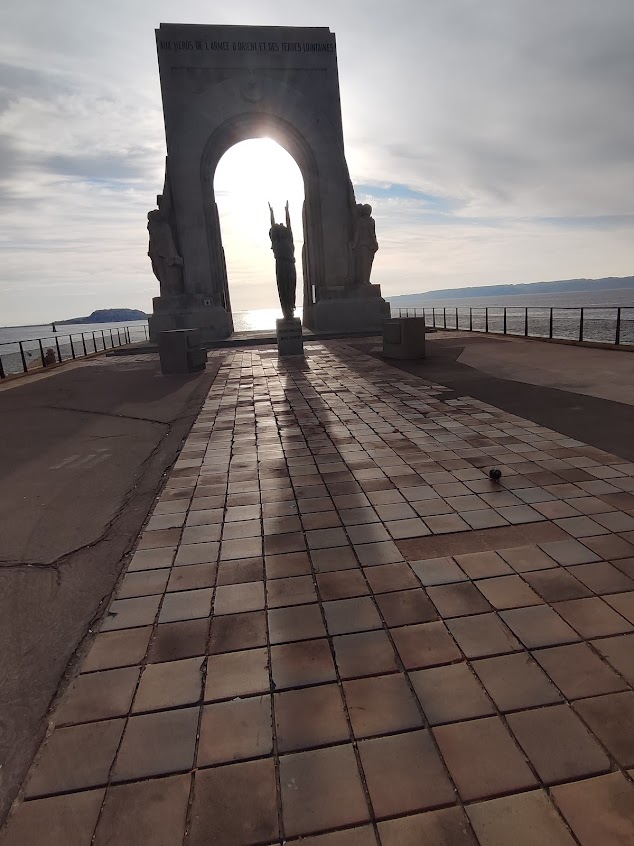
La Corniche is a picturesque coastal road offering stunning views of the Mediterranean Sea, beaches, and Marseille’s scenic coastline. It’s a popular route for walking, cycling, and enjoying sunsets.
Historical Significance of La Corniche
La Corniche has long been a favorite leisure spot for locals, symbolizing Marseille’s close connection to the sea.
Location of La Corniche
Corniche Kennedy, Marseille, France
Traveling
Accessible by car or bus along the Corniche road.
Nearby Eateries
- Les Akolytes: lesakolytes.com
- Peron Restaurant: peron-restaurant.com
Cost
Free to explore.
Prado Beaches
Description
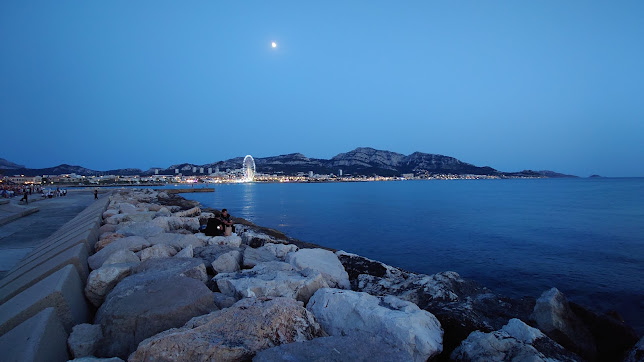
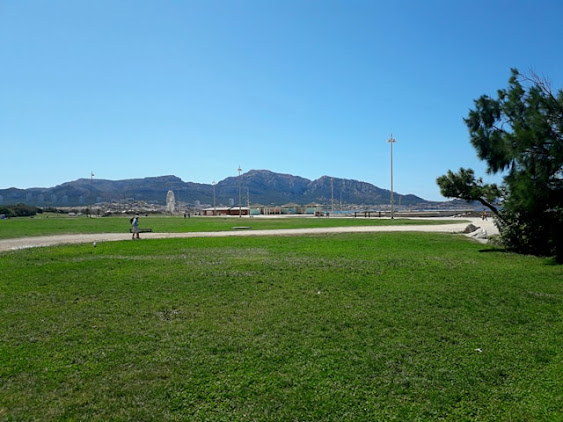
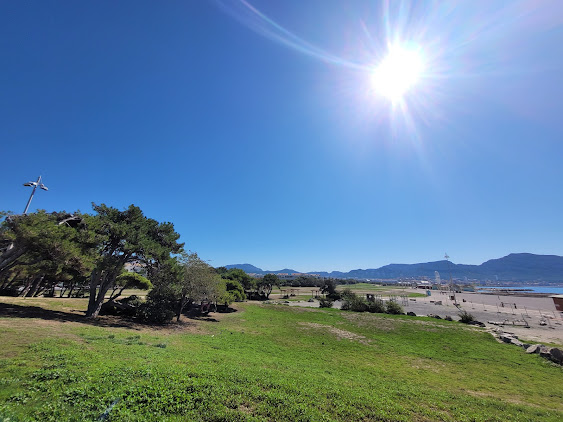
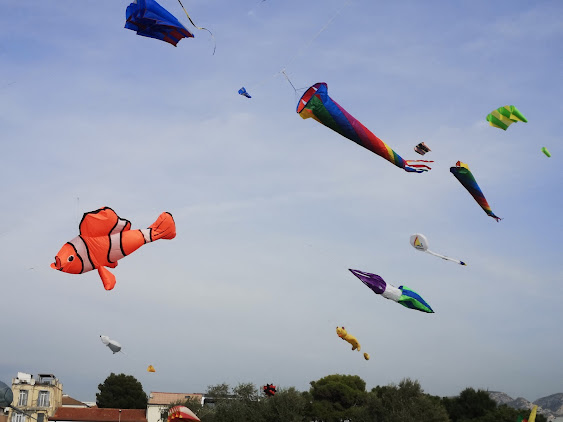
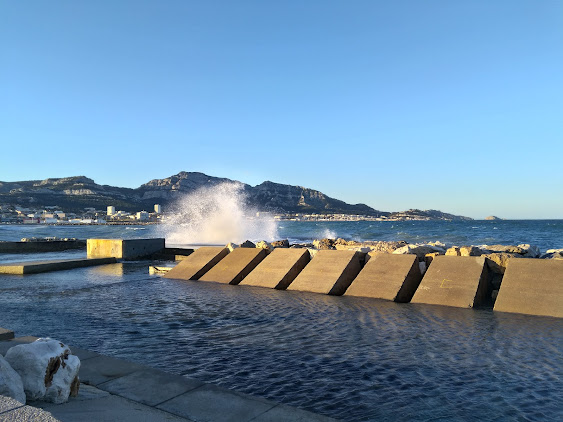
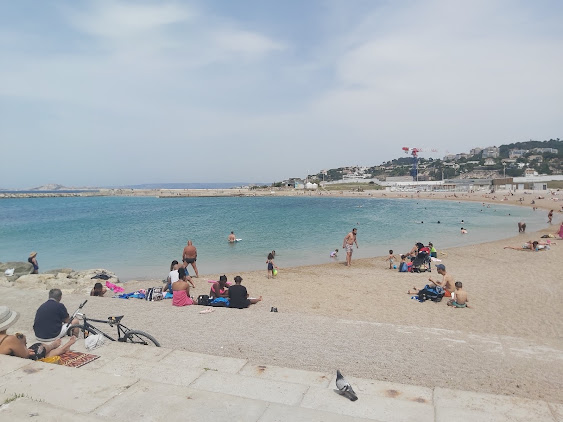
Prado Beaches offer a relaxed atmosphere for swimming, sunbathing, and picnicking along Marseille’s coastline. These sandy and pebble beaches are well-equipped with restaurants, play areas, and water sports activities.
Historical Significance of Prado Beaches
The Prado area was developed as a seaside recreation space in the 1970s, providing Marseille residents with a convenient city beach.
Location of Prado Beaches
Avenue Prado, 13008 Marseille, France
Traveling
Accessible by bus and metro (Rond-Point du Prado station).
Nearby Eateries
- Le Rhul: restaurantlerhul.com
- O’Prado: oprado.fr
Cost
Free to visit.
Cours Julien (Artistic District)
Description
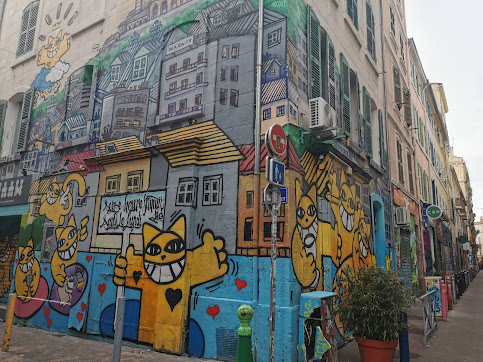
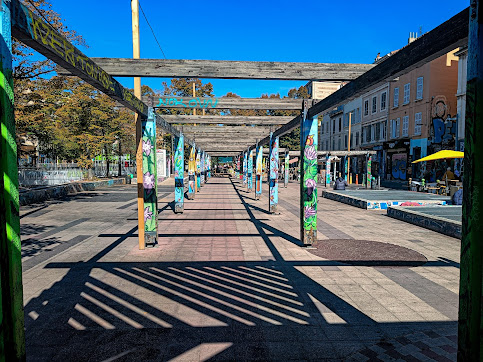
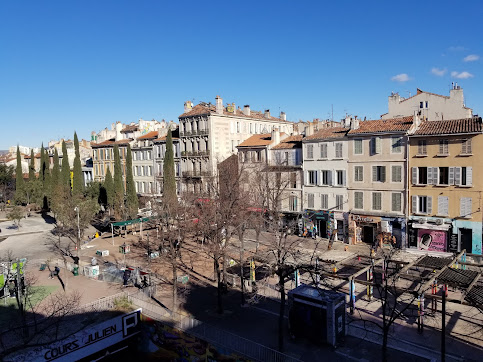
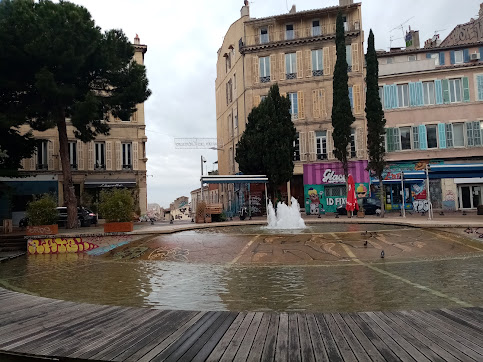
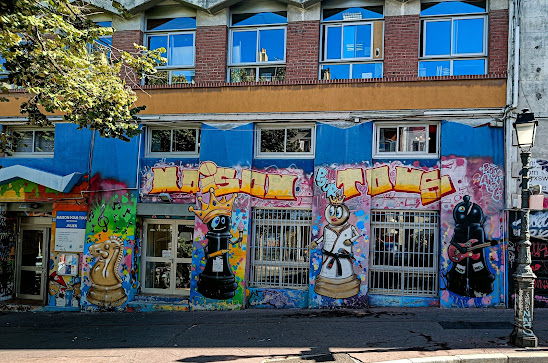
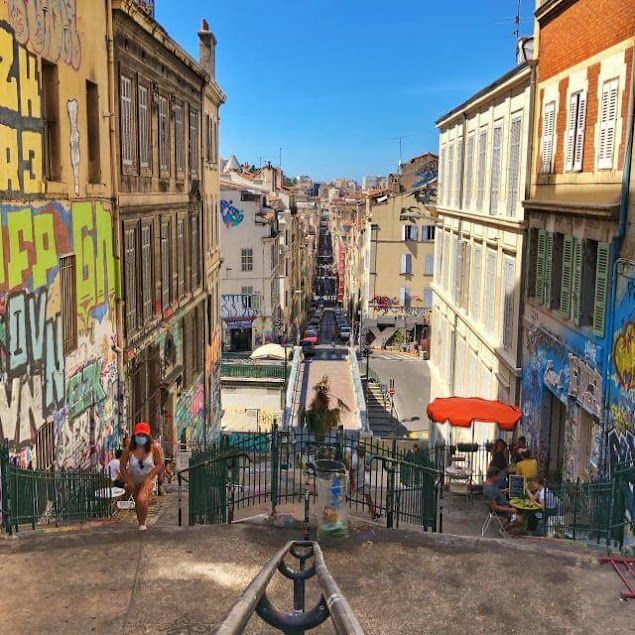
Cours Julien is Marseille’s creative hub, known for its vibrant street art, trendy cafes, and lively atmosphere. This district is ideal for exploring art galleries, markets, and unique shops with a bohemian flair.
Historical Significance of Cours Julien
Once an industrial area, Cours Julien has evolved into Marseille’s artistic district, showcasing the city’s youthful and creative side.



Location of Cours Julien
13006 Marseille, France
Traveling
Accessible by metro (Notre-Dame du Mont station).
Nearby Eateries
- La Cantinetta: lacantinetta.fr
- La Relève: lareleve-marseille.fr
Cost
Free to explore.


