



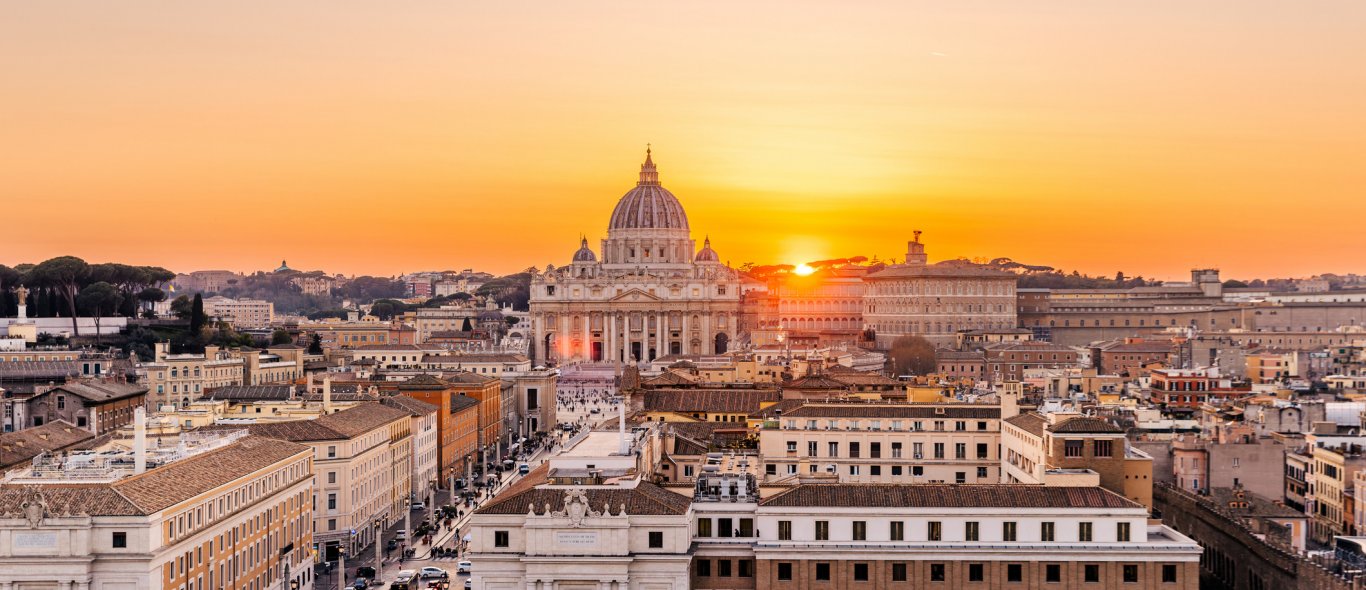
Rome
Rome, the Eternal City, is filled with historic landmarks, cultural treasures, and vibrant streets. Start your journey at the Colosseum, an iconic symbol of ancient Rome, where gladiators once fought. Visit the Vatican City, home to St. Peter’s Basilica, the Sistine Chapel, and the Vatican Museums, showcasing world-famous art and history. Take a stroll through the Roman Forum, a fascinating archaeological site that tells stories of ancient Roman life. Don’t miss the Trevi Fountain, where tossing a coin promises a return to Rome.
Explore the stunning Piazza Navona, lined with beautiful fountains and cafes, or climb the Spanish Steps for panoramic views. For food lovers, indulge in authentic Italian pasta and gelato at local trattorias. Whether you’re seeking history, art, or culinary delights, Rome offers an unforgettable travel experience for every visitor.
Colosseum
Description
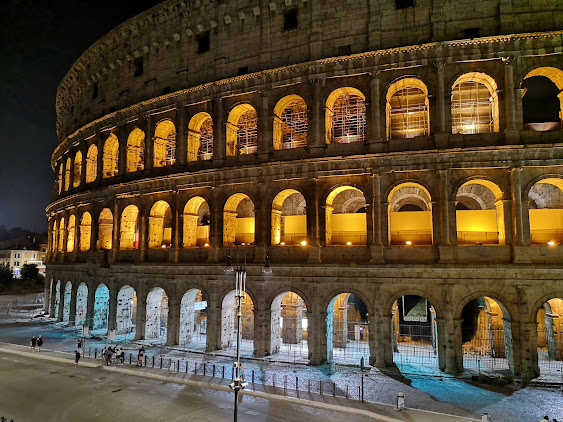
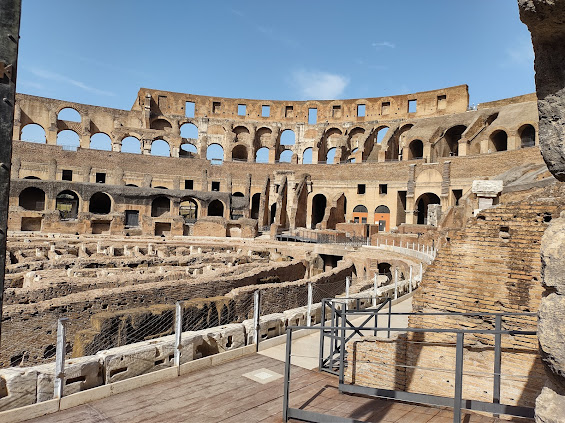
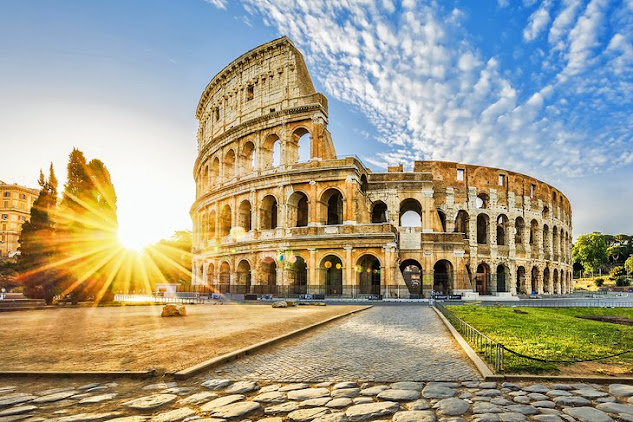
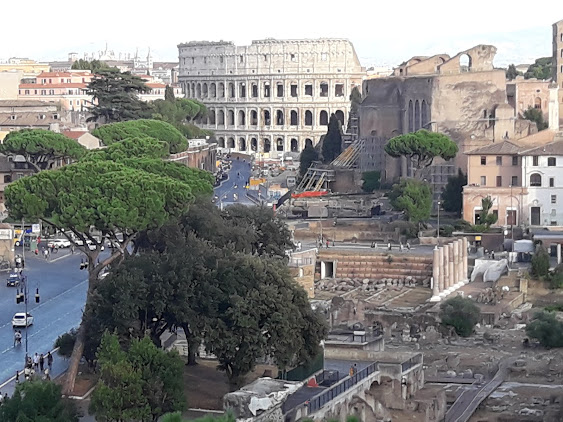
The Colosseum is one of the most famous landmarks in the world. This massive amphitheater was built nearly 2,000 years ago and could hold over 50,000 spectators. It’s an iconic symbol of Rome and an amazing place to explore ancient Roman architecture.
Historical Significance of Colosseum
Built in 70–80 AD, the Colosseum was used for gladiatorial battles, public spectacles, and animal hunts. It’s a UNESCO World Heritage Site and a testament to Roman engineering.

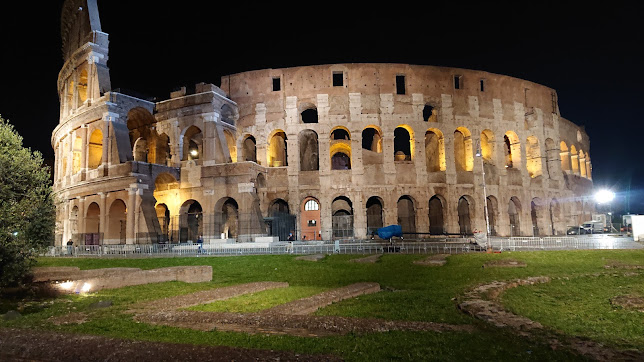
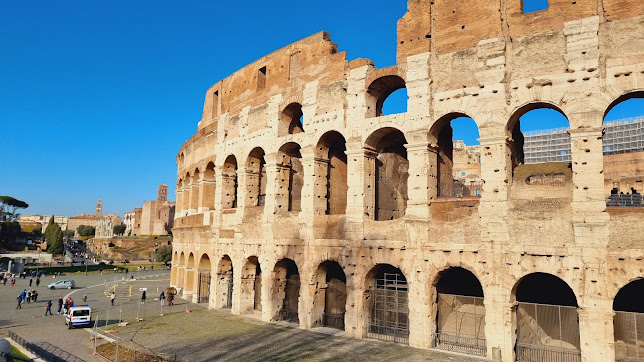

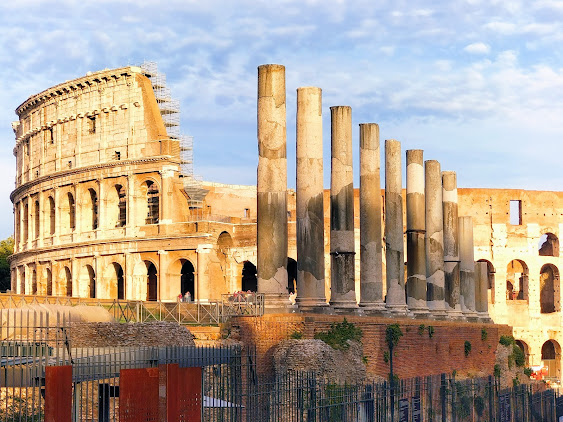


Location of Colosseum
Piazza del Colosseo, 1, 00184 Rome, Italy.

Traveling
Easily accessible via Metro Line B (Colosseo Station).
Nearby Eateries
- Ristorante Aroma: Fine dining with a Colosseum view. Website
- La Taverna dei Fori Imperiali: Traditional Roman cuisine.
Cost
€18 for adults, discounts available for EU citizens and children.
Roman Forum
Description
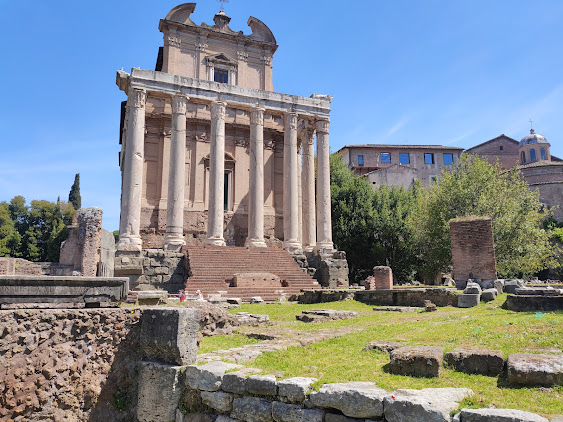
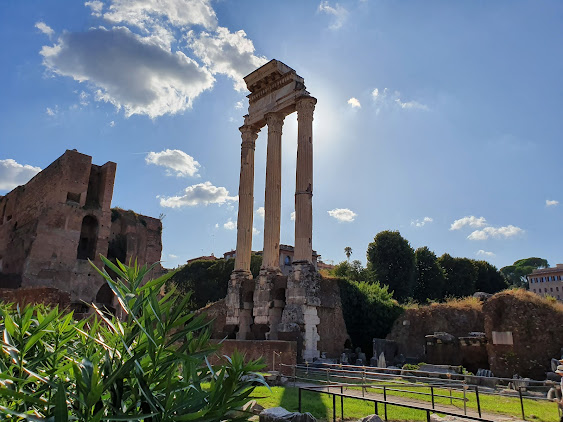
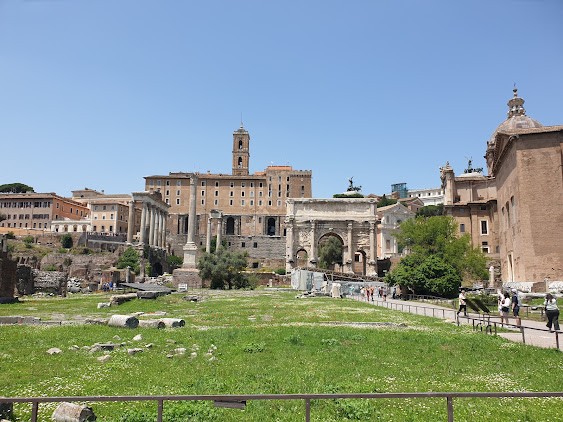
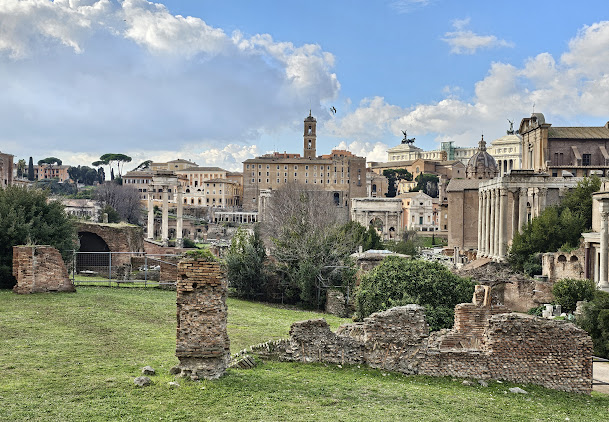
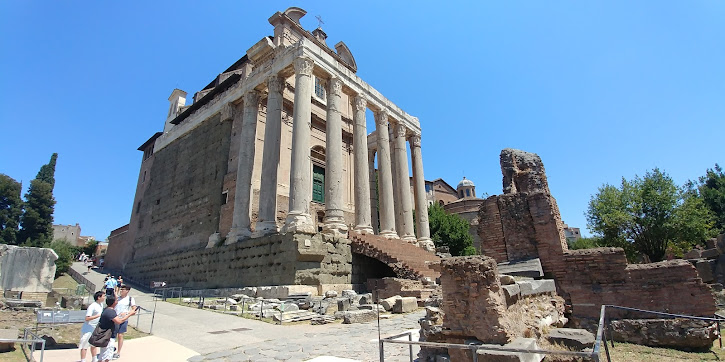
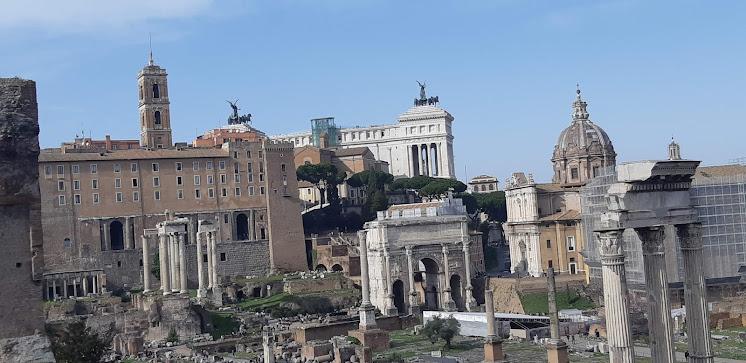
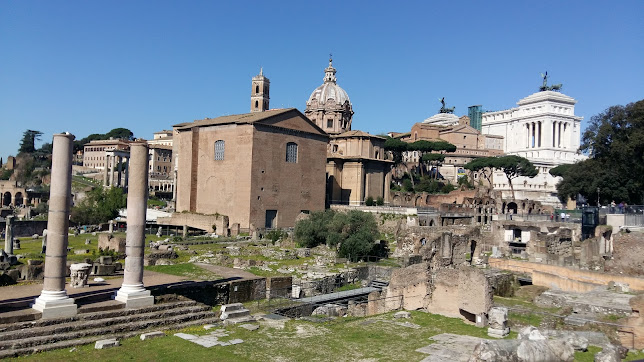
The Roman Forum was the center of political, religious, and social life in ancient Rome. Walking through its ruins gives you a glimpse into the grandeur of Roman civilization.
Historical Significance of Roman Forum
The Forum was the heart of ancient Rome, featuring temples, government buildings, and marketplaces. It dates back to 500 BC and remains one of the most significant archaeological sites.



Location of Roman Forum
Via della Salara Vecchia, 5/6, 00186 Rome, Italy.
Traveling
Close to the Colosseum, accessible by Metro Line B.
Nearby Eateries
- Angelino ai Fori: Offers delicious Italian dishes. Website
- Trattoria Luzzi: Affordable and authentic Roman food.
Cost
Included with the Colosseum ticket.
Trevi Fountain
Description
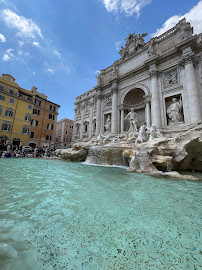
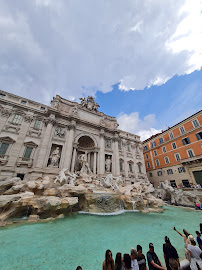
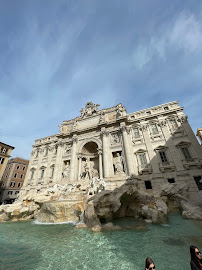
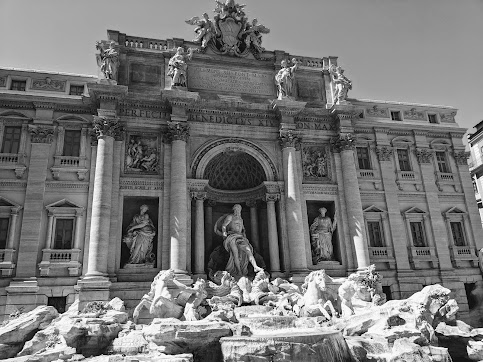
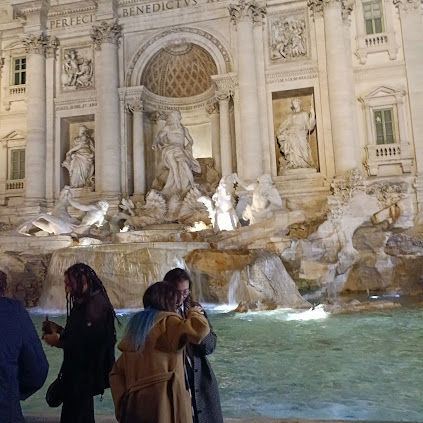
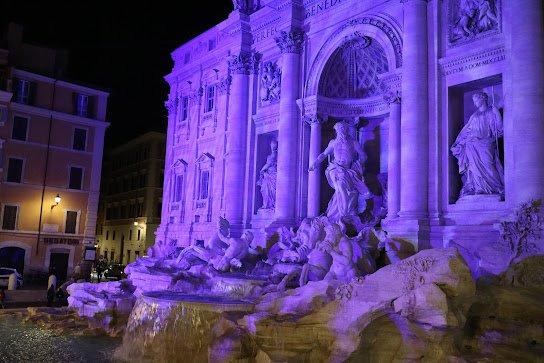
The Trevi Fountain is a stunning baroque masterpiece where visitors toss coins for good luck. The fountain is especially magical at night when it’s beautifully lit.
Historical Significance of Trevi Fountain
Completed in 1762, it’s a symbol of Roman art and craftsmanship. Legend says tossing a coin ensures your return to Rome.




Location of Trevi Fountain
Piazza di Trevi, 00187 Rome, Italy.
Traveling
A short walk from Barberini Metro Station.
Nearby Eateries
- Piccolo Buco: Famous for wood-fired pizza.
- Gelateria Della Palma: Over 150 flavors of gelato.
Cost
Free to visit.
Pantheon
Description
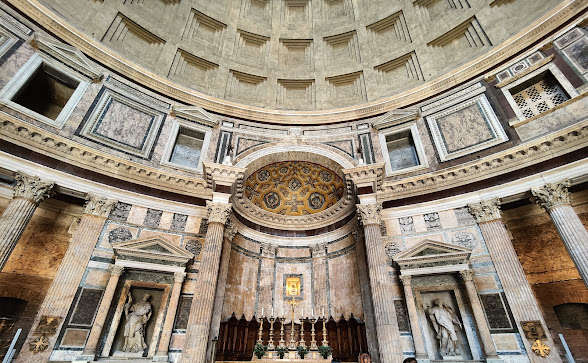
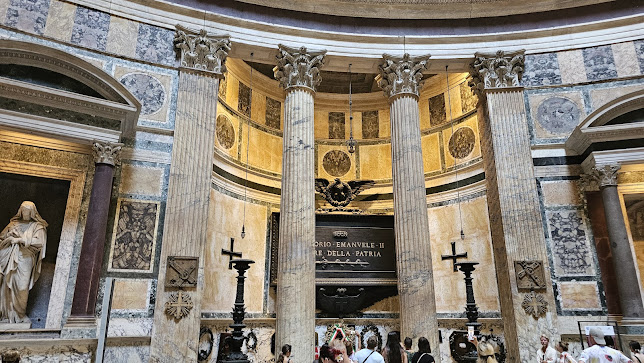
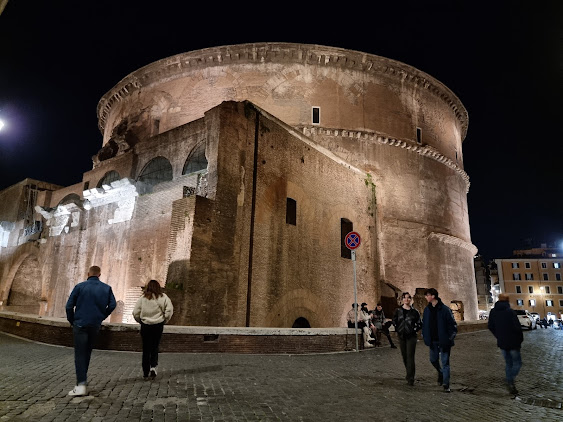
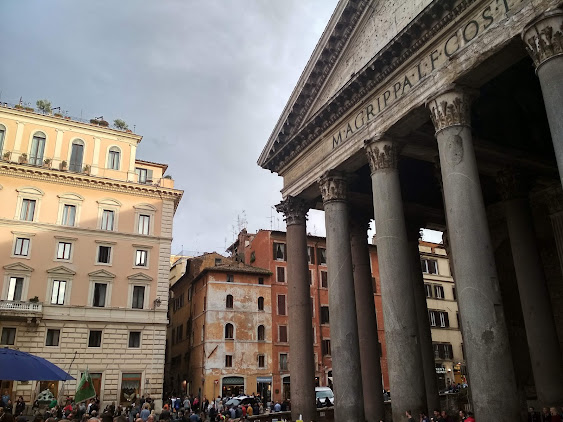
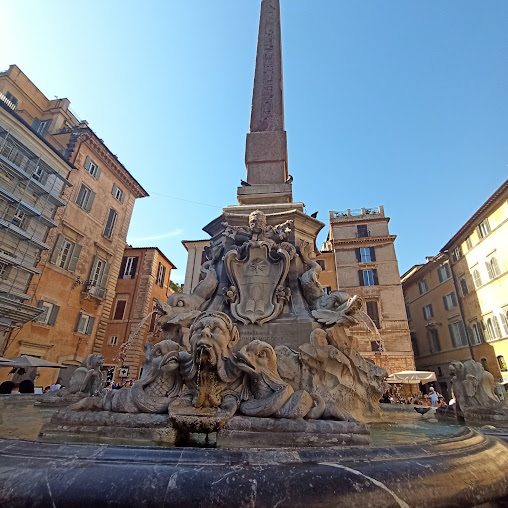
The Pantheon is a well-preserved ancient Roman temple with a stunning dome. Its central oculus allows natural light to flood the interior, creating a mesmerizing effect.
Historical Significance of Pantheon
Built in 126 AD, the Pantheon was dedicated to all Roman gods. It later became a Christian church and remains a marvel of ancient engineering.



Location of Pantheon
Piazza della Rotonda, 00186 Rome, Italy.
Traveling
Accessible via bus or a short walk from Piazza Navona.
Nearby Eateries
- Armando al Pantheon: A Michelin-recommended restaurant. Website
- Tazza d’Oro: Known for its espresso and granita.
Cost
Free entry.
Piazza Navona
Description
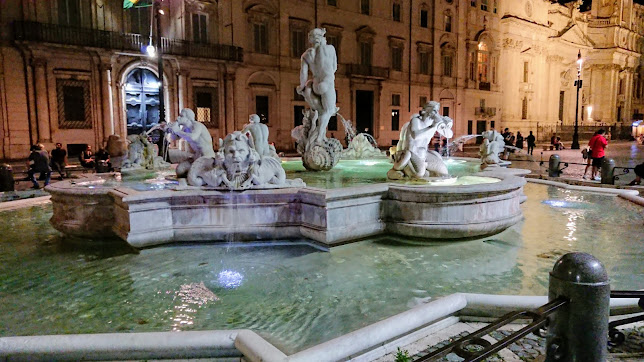
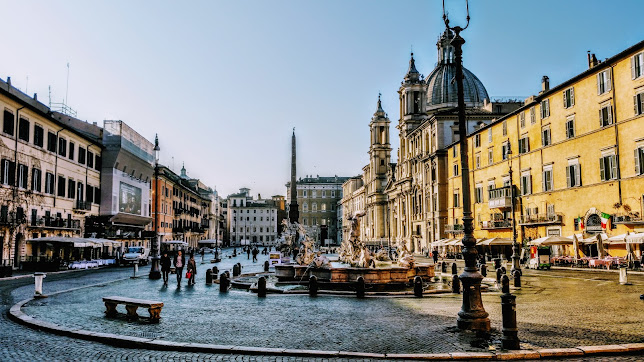
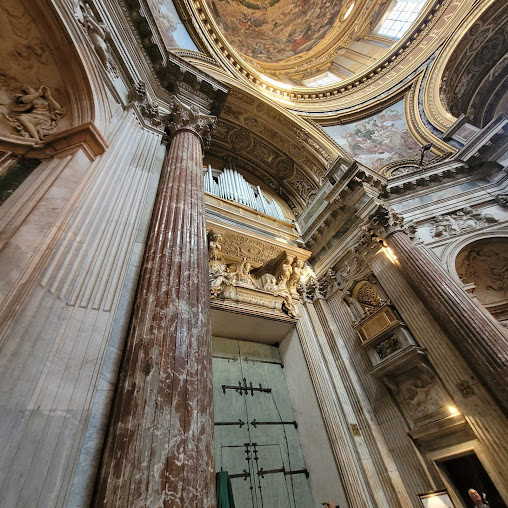
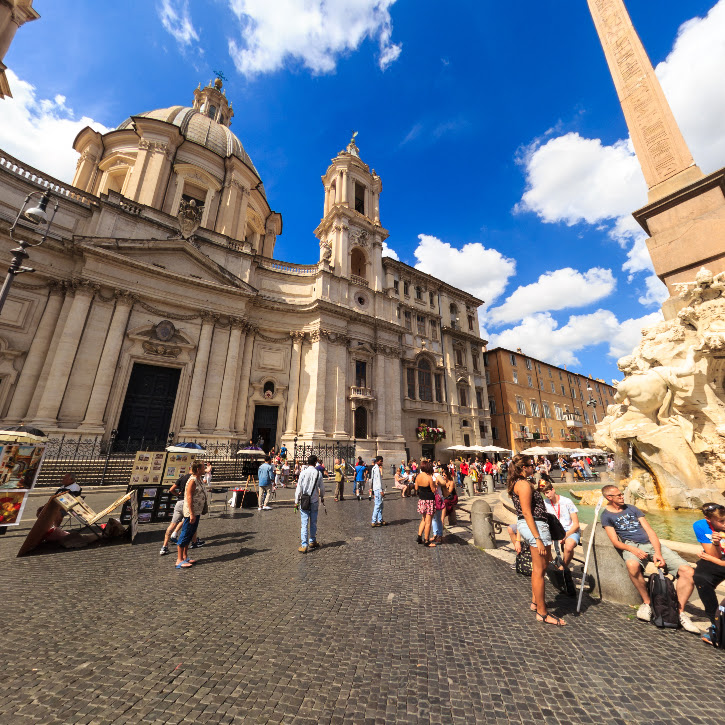
Piazza Navona is a lively square surrounded by baroque architecture, fountains, and street performers. It’s a great spot to relax and soak in the Roman atmosphere.
Historical Significance of Piazza Navona
Built on the site of an ancient stadium, the square retains its oval shape and has been a cultural hub since the 15th century.

Location of Piazza Navona
Piazza Navona, 00186 Rome, Italy.
Traveling
A short walk from the Pantheon or Campo de’ Fiori.
Nearby Eateries
- Caffè Domiziano: Perfect for coffee and people-watching.
- Cantina e Cucina: Authentic and cozy Italian dining.
Cost
Free to visit.
Spanish Steps
Description
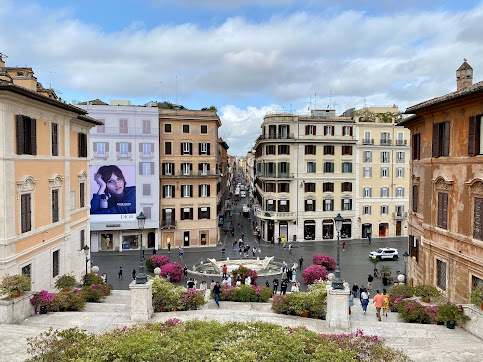
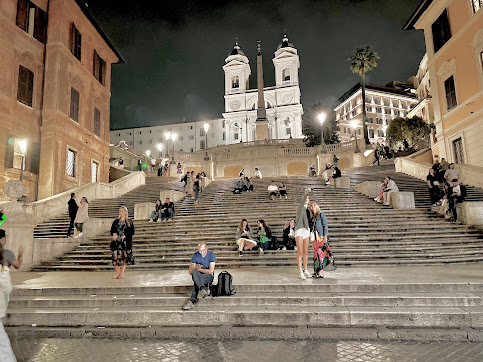
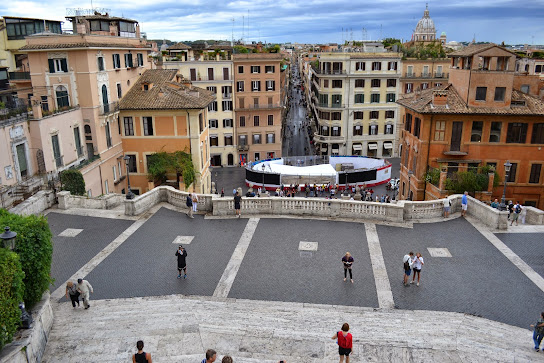
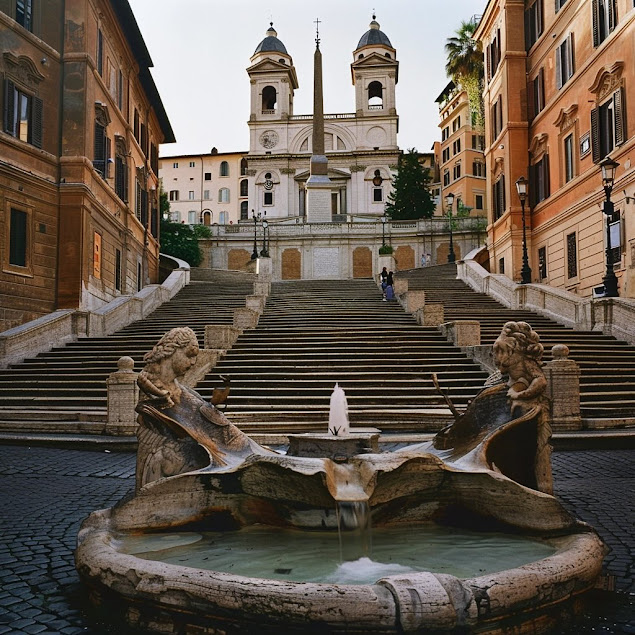
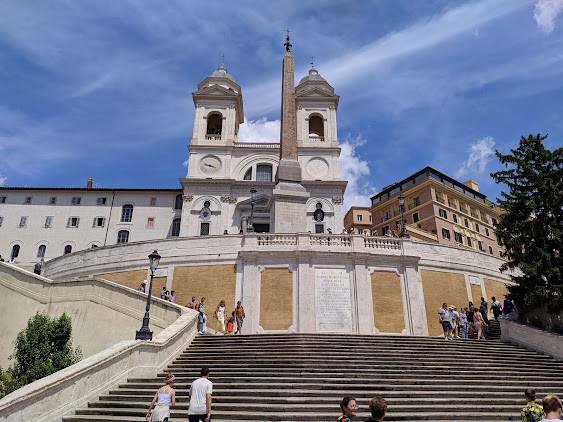
The Spanish Steps connect Piazza di Spagna with Trinità dei Monti Church. These elegant steps are a popular meeting spot and offer great views of the city.
Historical Significance of Spanish Steps
Built in 1725, the steps were funded by the French and are a symbol of the connection between France and Rome.

Location of Spanish Steps
Piazza di Spagna, 00187 Rome, Italy.
Traveling
Accessible via Metro Line A (Spagna Station).
Nearby Eateries
- Antico Caffè Greco: One of Rome’s oldest coffee houses.
- Pompi: Known for its delicious tiramisu.
Cost
Free to visit.
Castel Sant’Angelo
Description
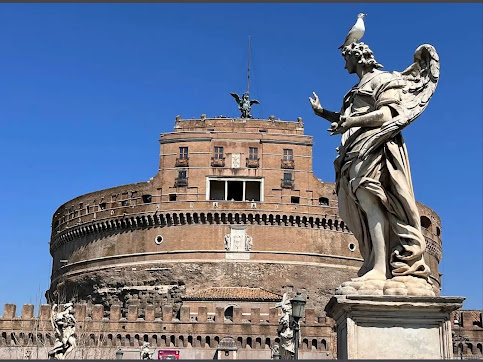
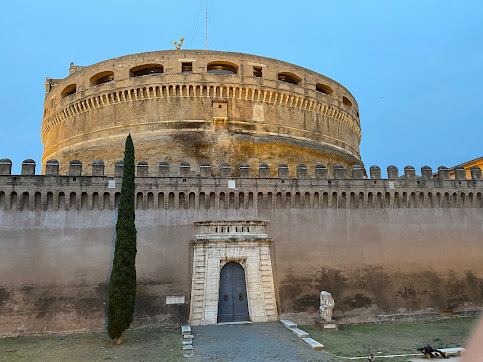
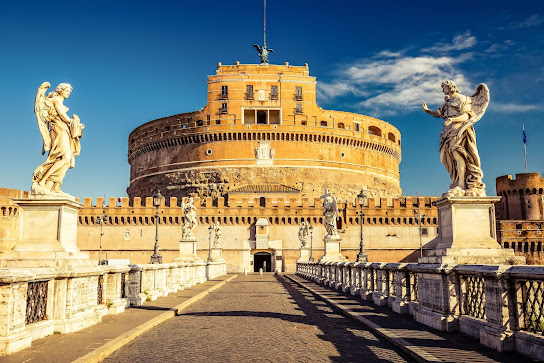
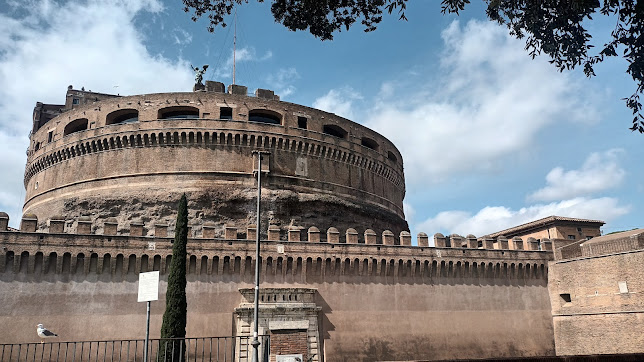
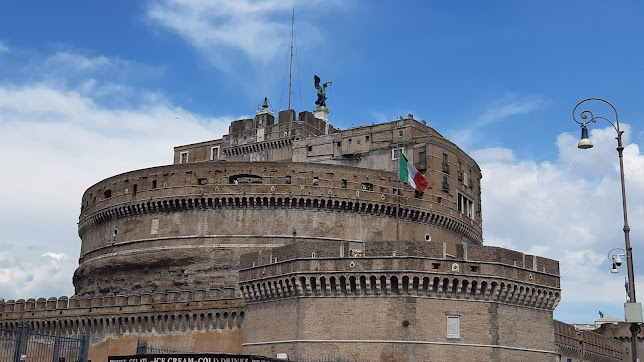
Originally built as a mausoleum for Emperor Hadrian, Castel Sant’Angelo offers panoramic views of the city and fascinating exhibits about its history.
Historical Significance of Castel Sant’Angelo
Over centuries, it served as a fortress, papal residence, and prison. Today, it’s a museum showcasing artifacts and art.
Location of Castel Sant’Angelo
Lungotevere Castello, 50, 00193 Rome, Italy.
Traveling
A 10-minute walk from St. Peter’s Basilica.
Nearby Eateries
- Ristorante Il Passetto: Offers traditional Roman dishes.
- L’Antica Griglia Toscana: Known for its grilled meats.
Cost
€15 for adults, discounts available.
Villa Borghese and Borghese Gardens
Description
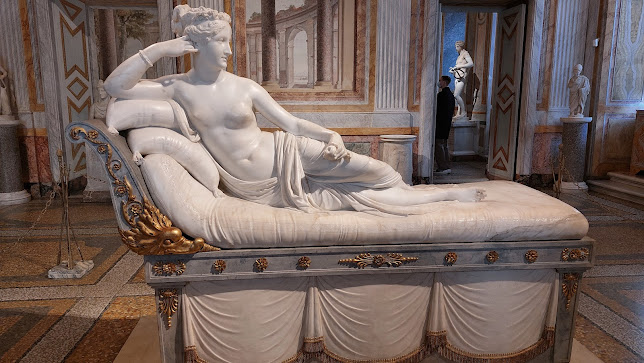
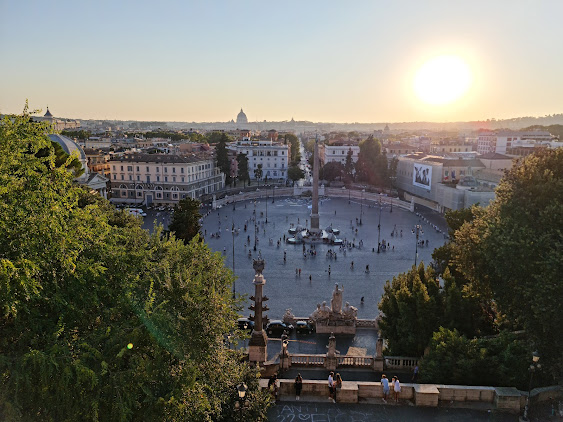
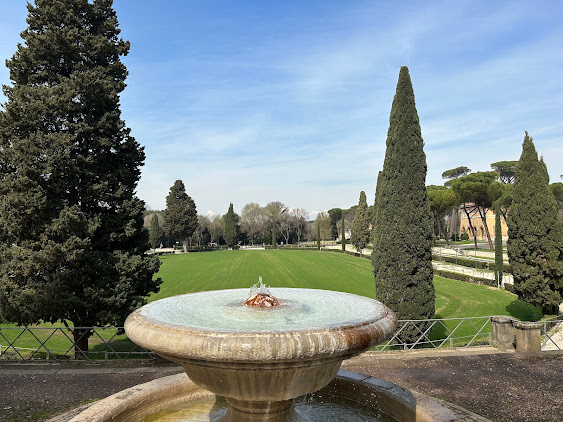
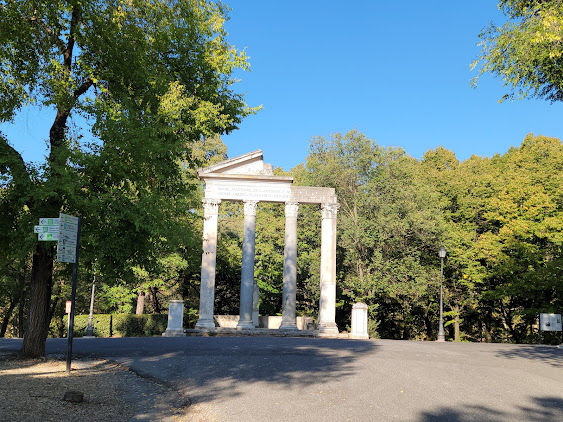
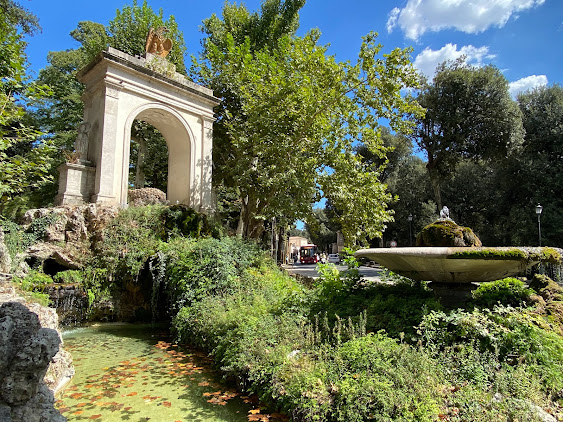
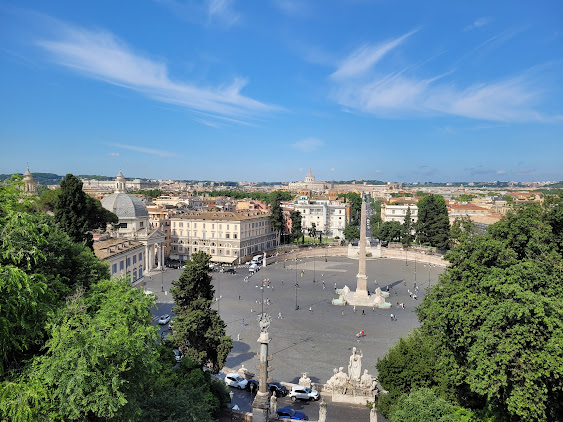
This large park in Rome is perfect for a relaxing stroll. It’s home to beautiful gardens, fountains, and the famous Borghese Gallery.
Historical Significance of Villa Borghes
The villa and gardens were created in the 17th century as a luxurious estate for the Borghese family.
Location of Villa Borghes
Piazzale Napoleone I, 00197 Rome, Italy.
Traveling
A short walk from Piazza del Popolo.
Nearby Eateries
- Casina Valadier: A fine dining restaurant with views. Website
- Gusto: Offers pizza, pasta, and wine.
Cost
Free entry to the gardens; gallery tickets cost €13.
Campo de’ Fiori
Description
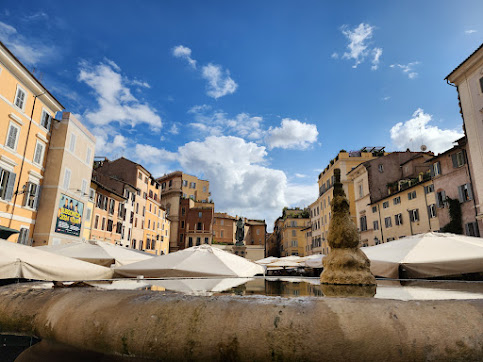
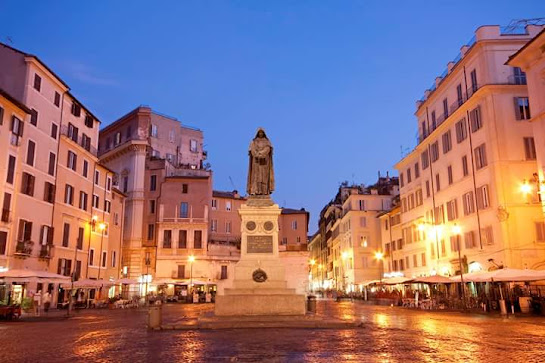
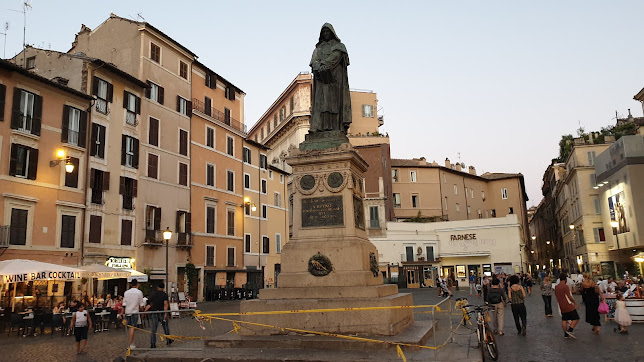
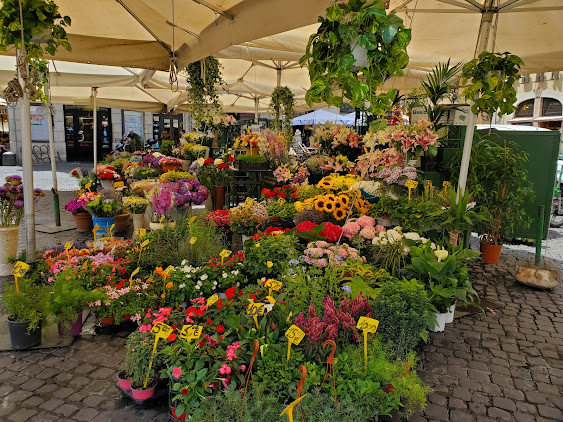
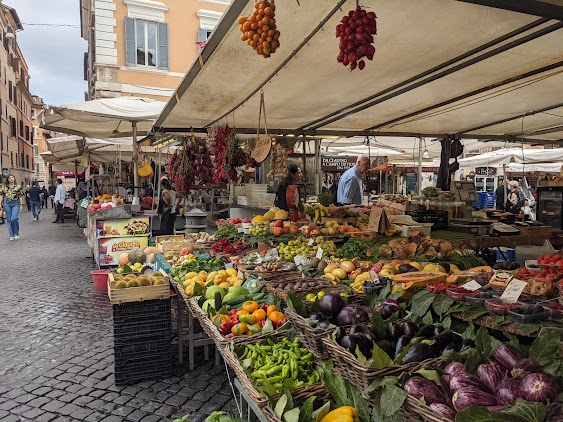
Campo de’ Fiori is a lively square with a daily market in the morning and a vibrant nightlife scene. It’s a great place for fresh produce, flowers, and local delicacies.
Historical Significance of Campo de’ Fiori
The square has been a marketplace since the Middle Ages and is known for its rich cultural and social history.

Location of Campo de’ Fiori
Campo de’ Fiori, 00186 Rome, Italy.
Traveling
A short walk from Piazza Navona.
Nearby Eateries
- Forno Campo de’ Fiori: Famous for its pizza al taglio.
- Ristorante Campo de’ Fiori: Offers traditional Roman cuisine.
Cost
Free to visit.
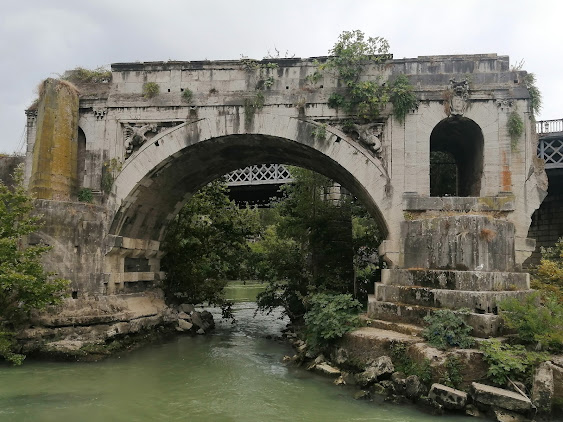
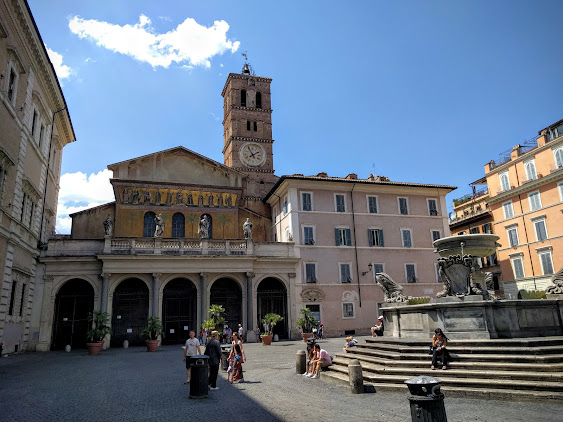
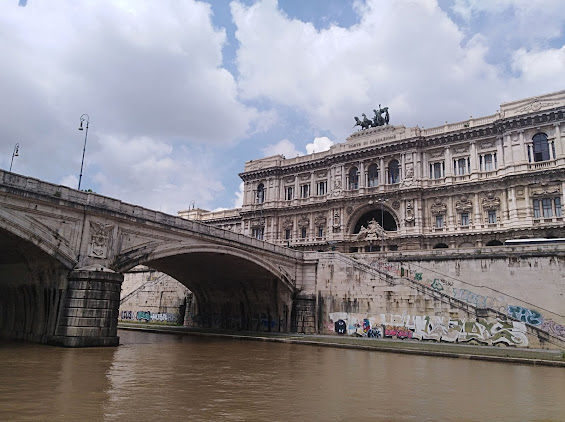
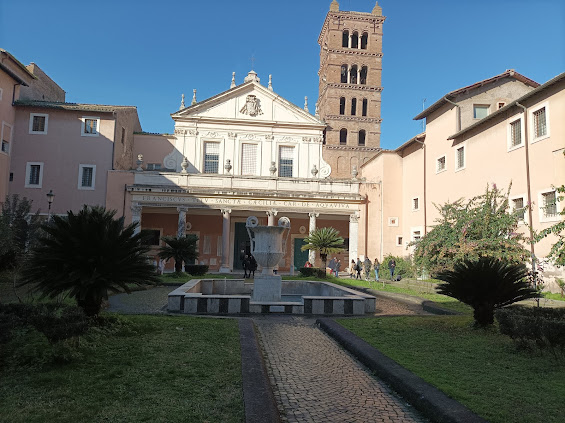
Trastevere Neighborhood
Description
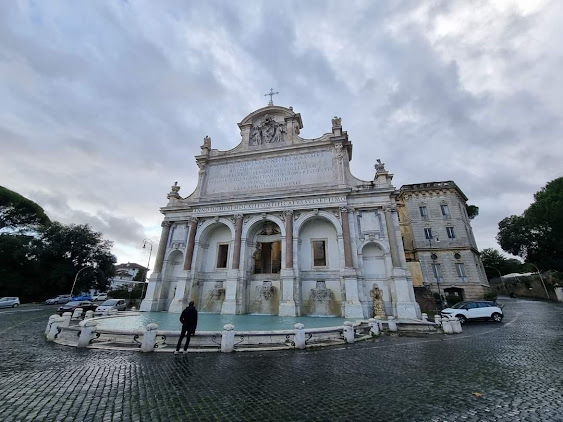
Trastevere is a charming neighborhood known for its narrow streets, colorful buildings, and vibrant atmosphere. It’s a perfect spot to experience authentic Roman life.
Historical Significance of Trastevere Neighborhood
Trastevere has a rich history as a working-class district and is now a hub for artists and creatives.

Location of Trastevere Neighborhood
Trastevere, Rome, Italy.
Traveling
Easily accessible via tram or bus from the city center.
Nearby Eateries
- Osteria Trattoria Da Carlone: Known for its pasta dishes.
- Freni e Frizioni: A trendy spot for cocktails and snacks.
Cost
Free to explore.