




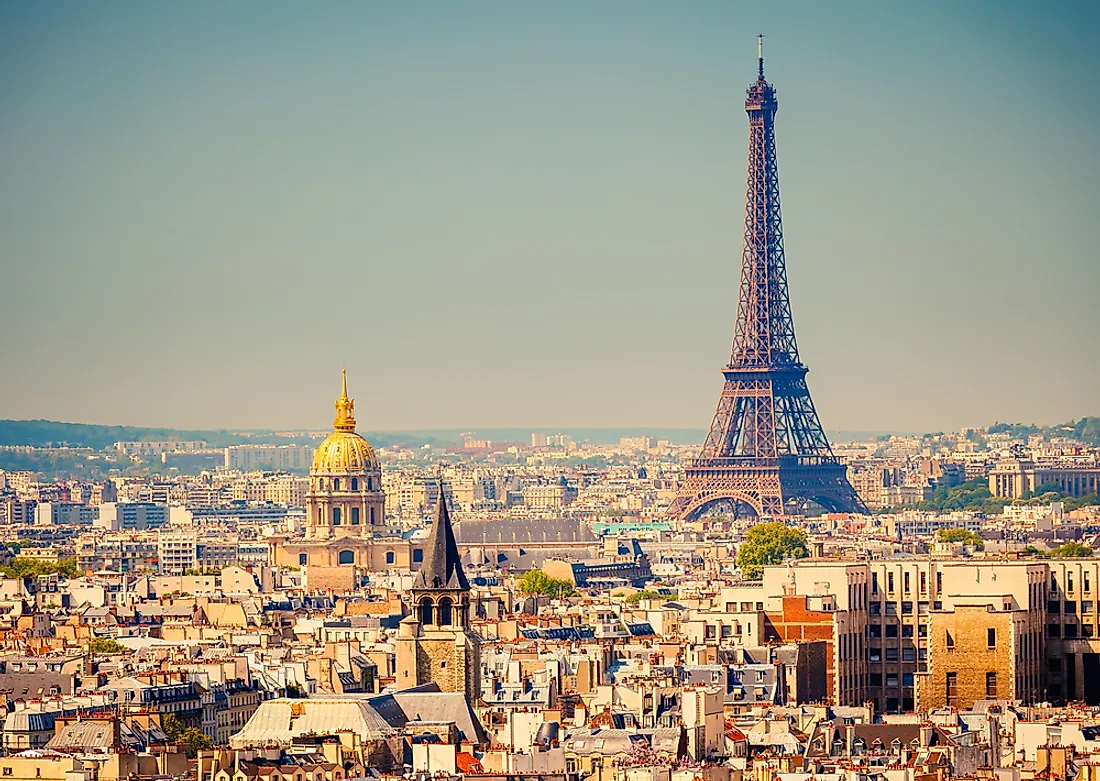
Paris, the enchanting capital of France and known as the “City of Light,” is renowned worldwide for its iconic landmarks such as the Eiffel Tower, Louvre Museum, and Notre-Dame Cathedral. As a top travel destination, Paris captivates visitors with its rich art, fashion, and culinary scenes. Tourists can enjoy strolling through charming streets, exploring historic sites, and relaxing in classic French cafes. With a perfect blend of romance, culture, and history, Paris offers an unforgettable experience to travelers from around the globe.
Eiffel Tower
Description
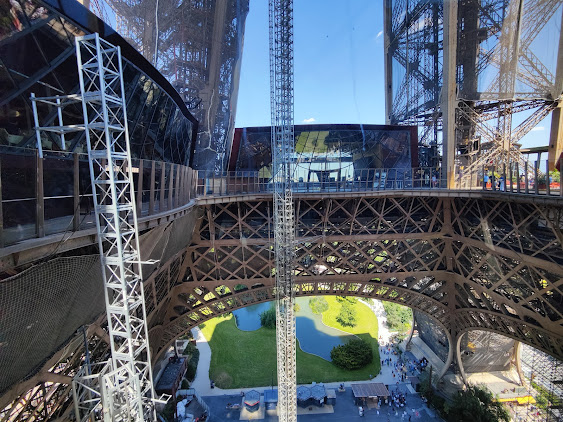
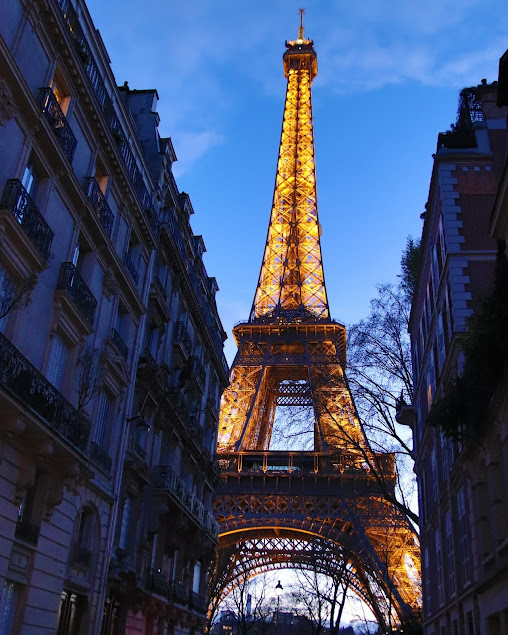
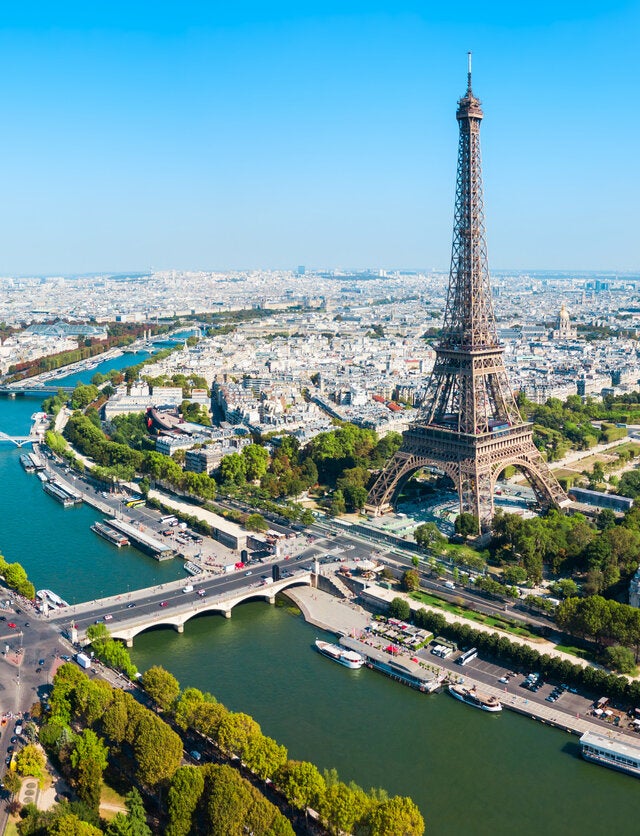
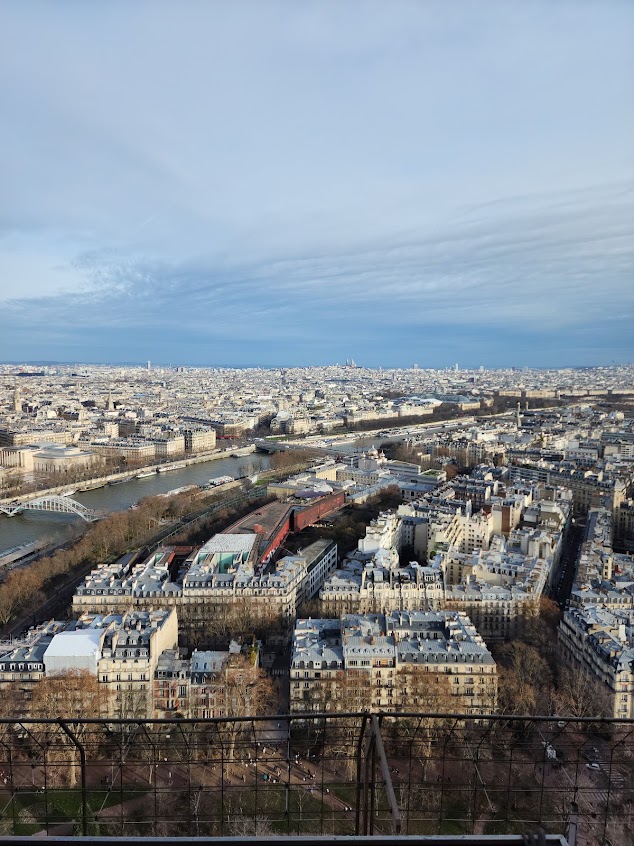
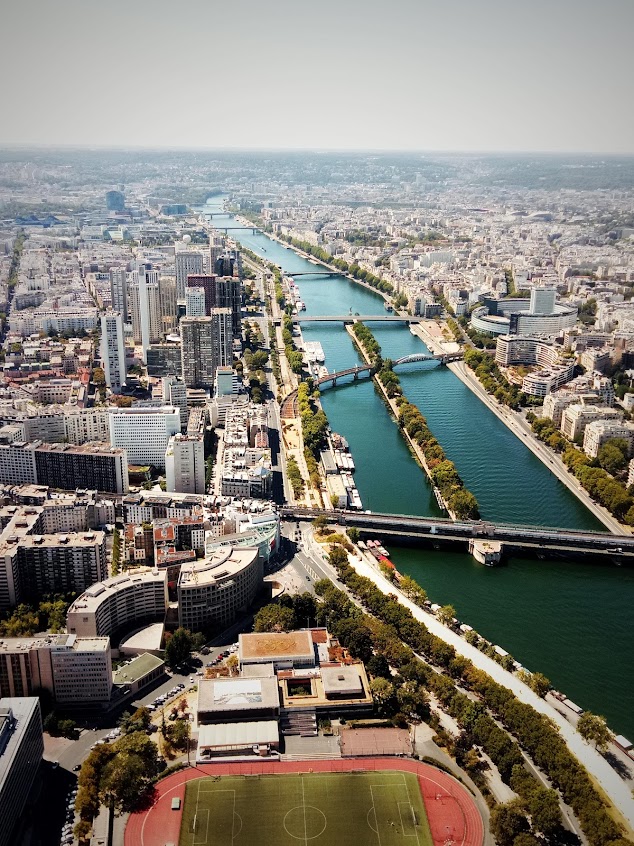
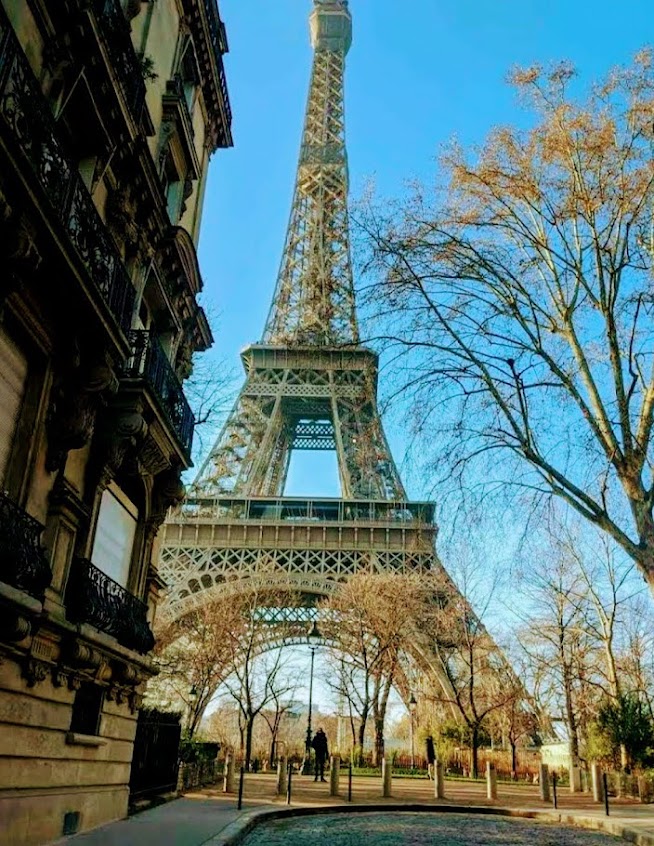
The Eiffel Tower is one of the world’s most famous landmarks and the symbol of Paris. Standing 324 meters tall, this iron tower offers breathtaking views of the city from three levels. Visitors can enjoy panoramic views, dine at its restaurants, and learn about the tower’s history.
Historical Significance of Eiffel Tower
Built in 1889 for the World’s Fair, the Eiffel Tower was initially criticized by many. Today, it stands as a masterpiece of engineering and a symbol of French culture.





Location of Eiffel Tower
Champ de Mars, 5 Avenue Anatole France, 75007 Paris, France

Traveling
Accessible by metro (Bir-Hakeim or Trocadéro stations) or buses that stop near the tower.
Nearby Eateries
- 58 Tour Eiffel: restaurants-toureiffel.com
- Café Constant: cafeconstant.com
Cost
Adults: €10.70 – €26.10 (depending on floor and lift/stair access)
Louvre Museum
Description
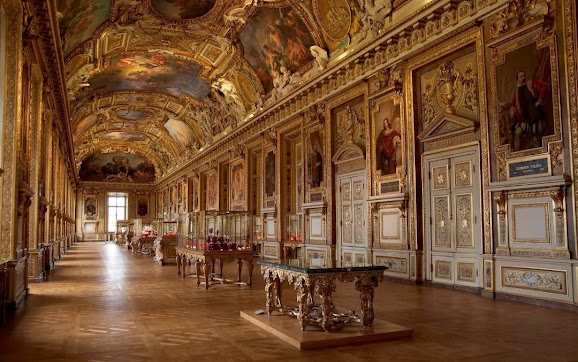
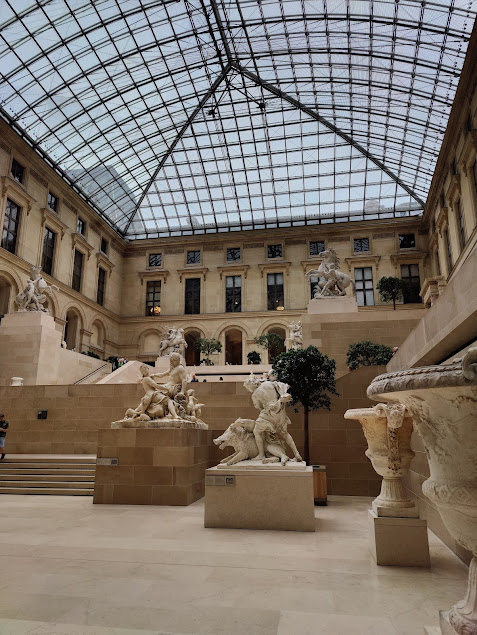
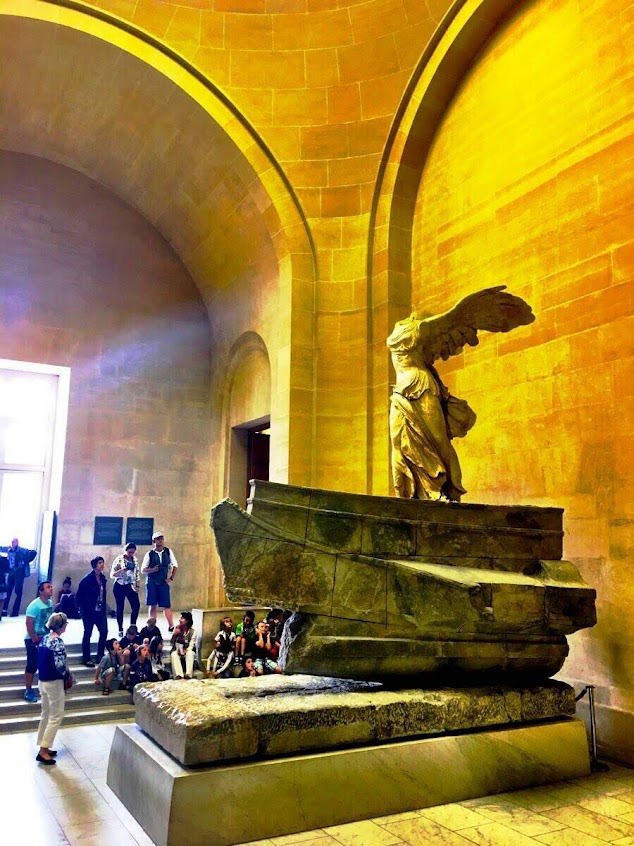
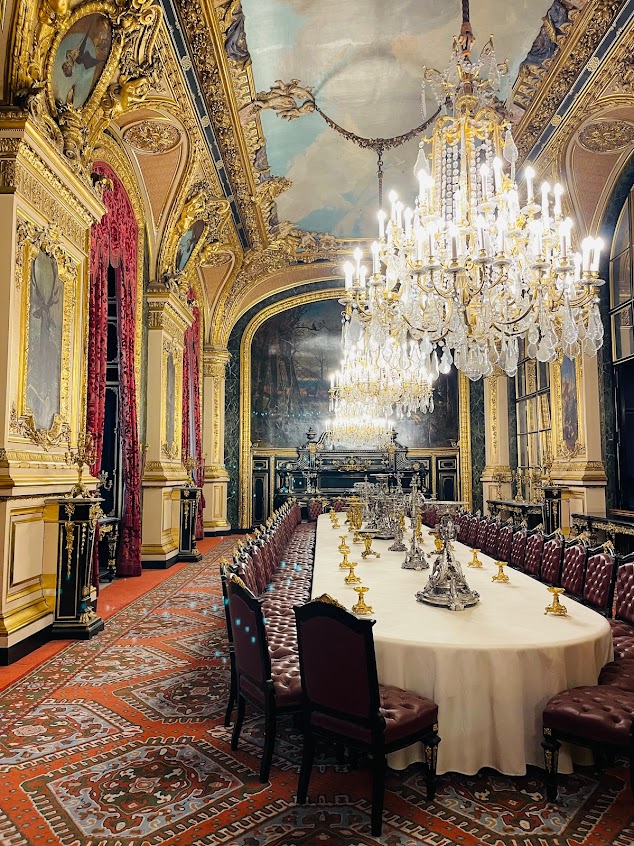
The Louvre is the world’s largest and most-visited museum, housing famous works like the Mona Lisa and the Venus de Milo. With over 38,000 pieces, it offers a deep dive into art, history, and culture from different time periods.
Historical Significance of Louvre Museum
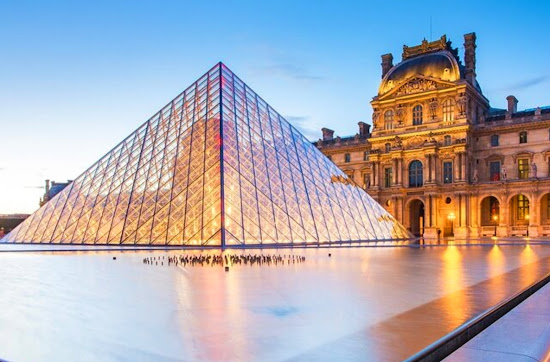
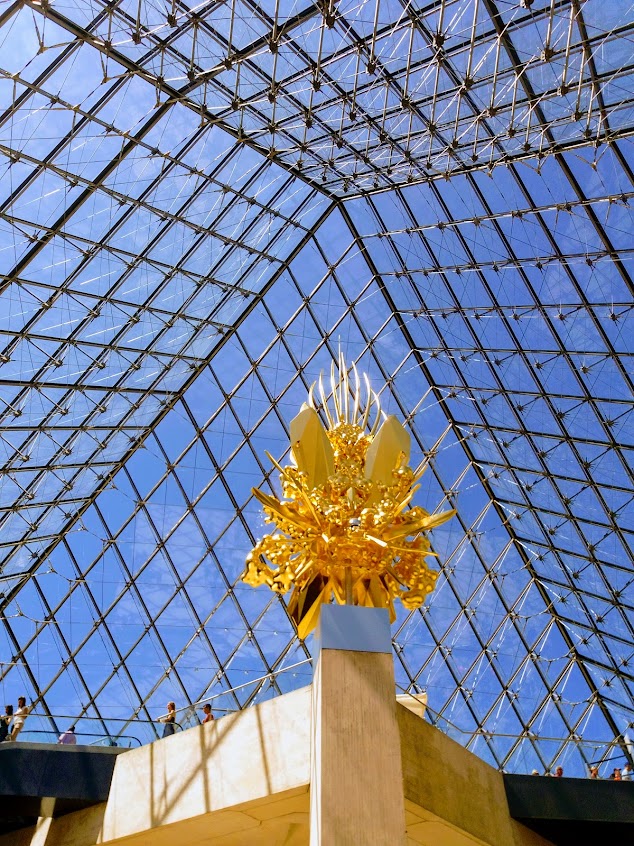
Originally a royal palace, the Louvre became a public museum in 1793 during the French Revolution. It’s known for its iconic glass pyramid entrance, added in 1989.



Location of Louvre Museum
Rue de Rivoli, 75001 Paris, France
Traveling
Easily accessible by metro (Palais Royal – Musée du Louvre station).
Nearby Eateries
- Le Café Marly: cafemarly.com
- Angelina Paris: angelina-paris.fr
Cost
Adults: €17, Free for EU citizens under 26.
Notre-Dame Cathedral
Description
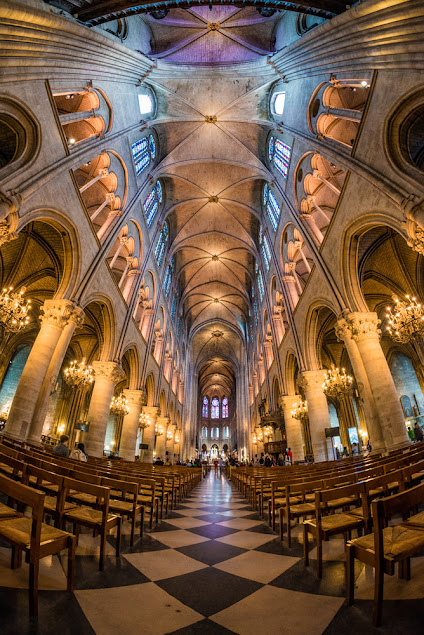
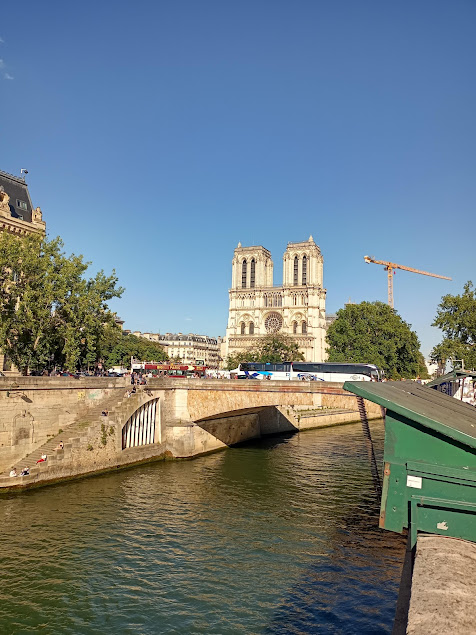
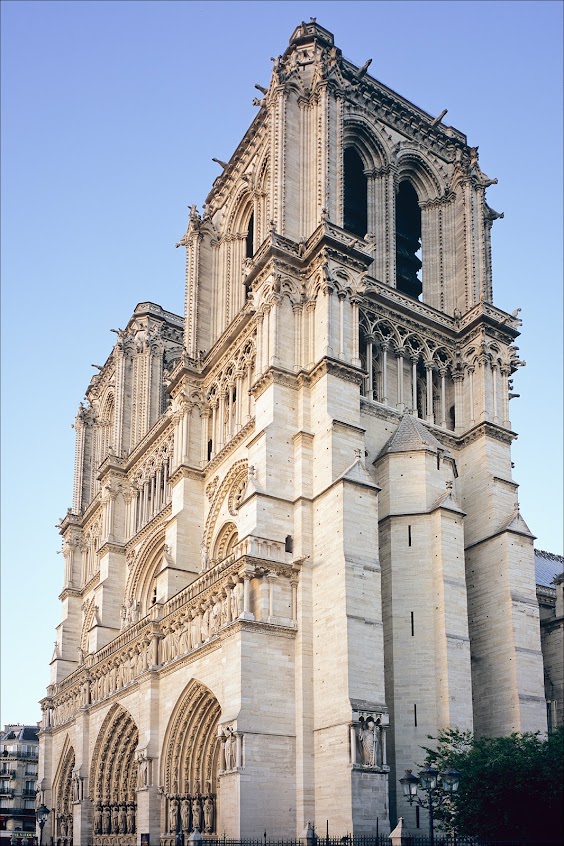
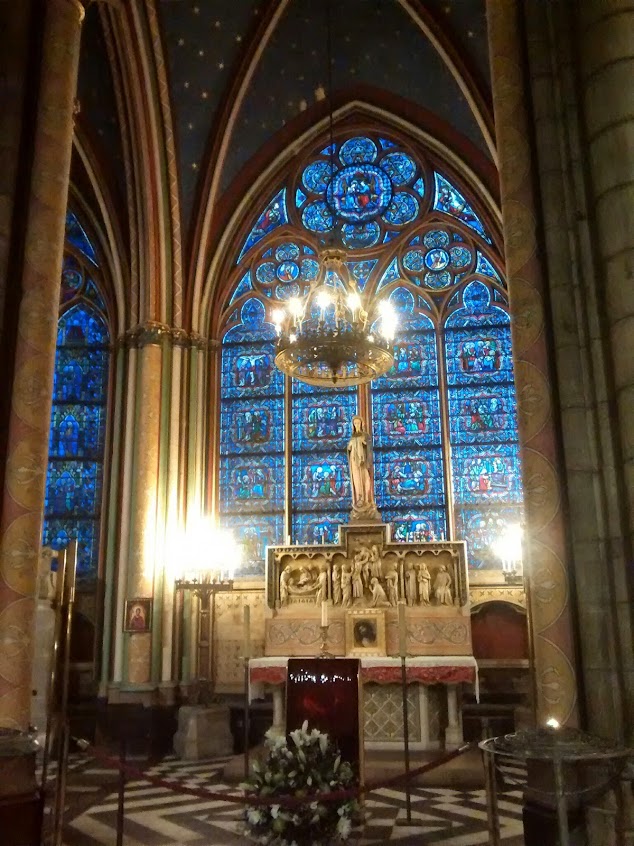
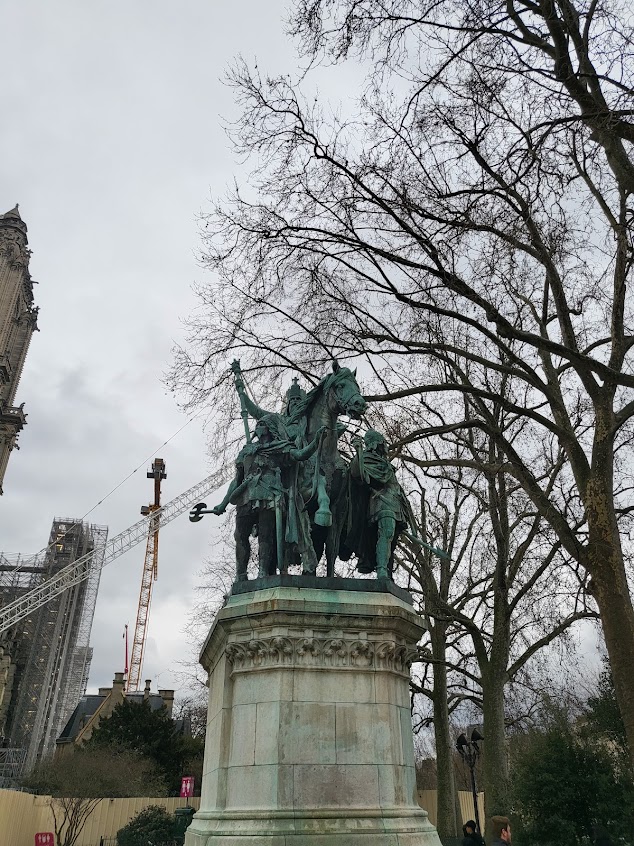
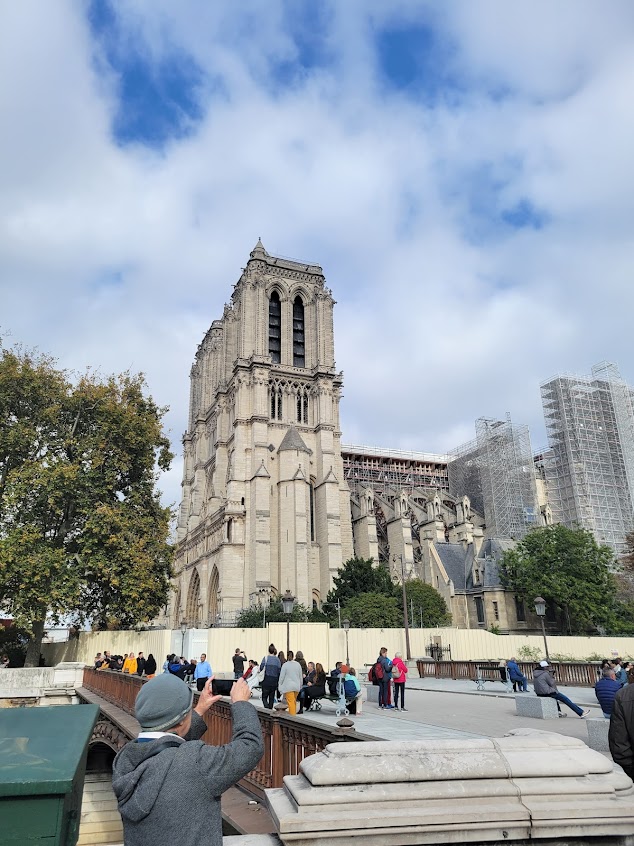
Notre-Dame Cathedral is a masterpiece of French Gothic architecture, famous for its stunning stained glass, sculptures, and rose windows. Visitors can tour the main chapel, admire the intricate facade, and climb the towers for a view.
Historical Significance of Notre-Dame Cathedral
Built in the 12th century, Notre-Dame has been at the center of Parisian history, witnessing important events like Napoleon’s coronation and the French Revolution.



Location of Notre-Dame Cathedral
6 Parvis Notre-Dame – Pl. Jean-Paul II, 75004 Paris, France
Traveling
Accessible by metro (Cité or Saint-Michel stations).
Nearby Eateries
- Le Saint Régis: lesaintregis.com
- Aux Tours de Notre-Dame: axtours.com
Cost
Free to enter the main chapel, tower entry: €10.
Sacré-Cœur Basilica
Description
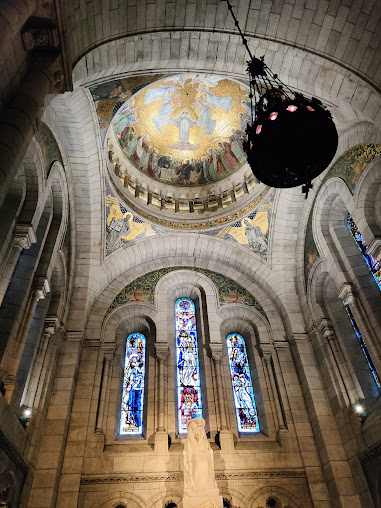
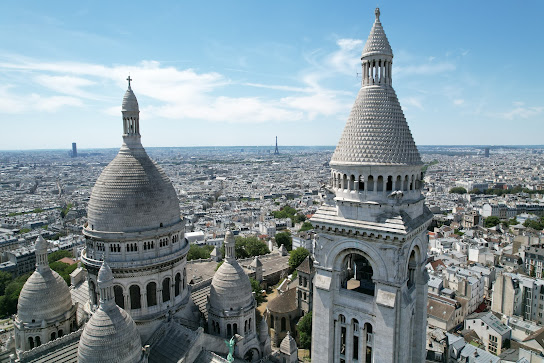
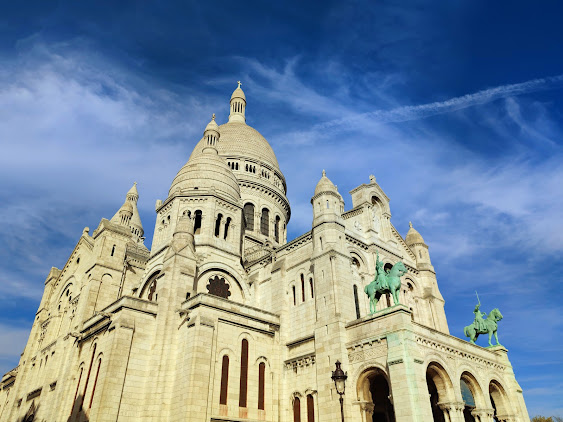
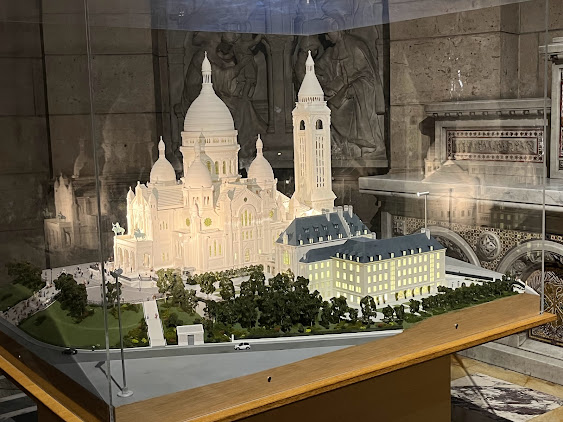
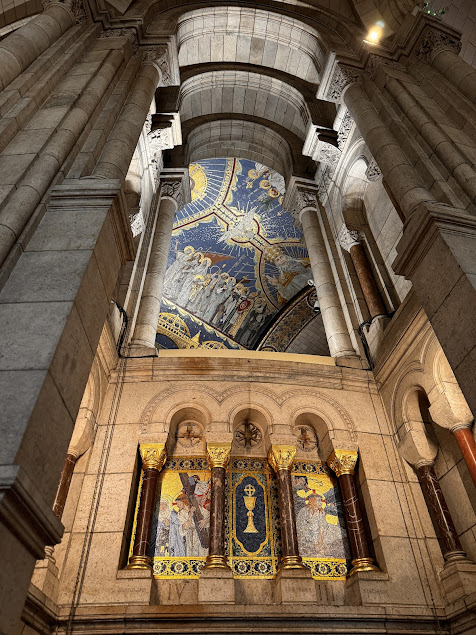
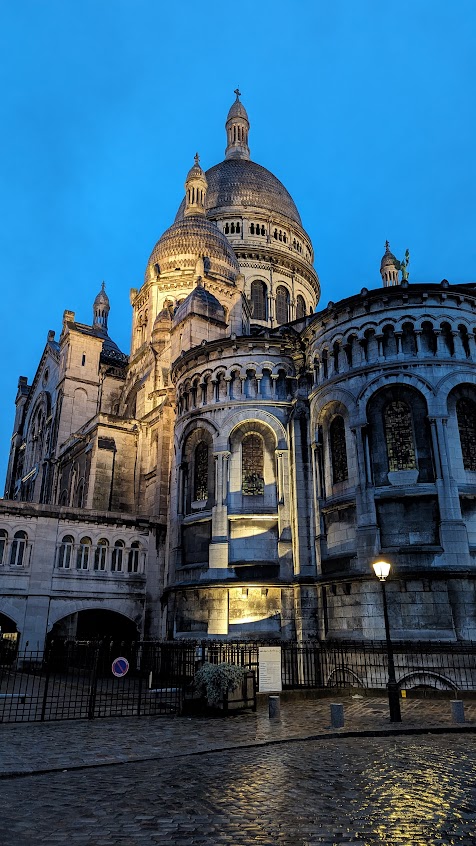
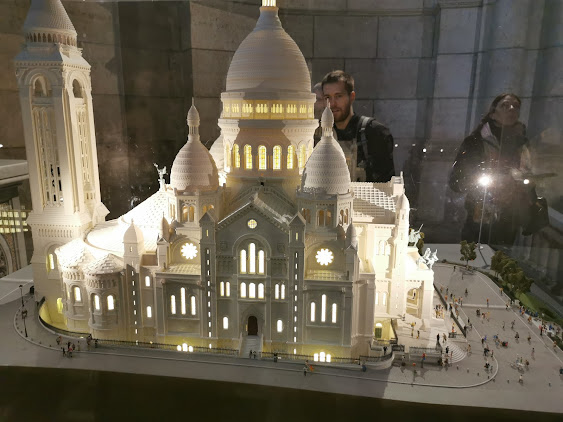
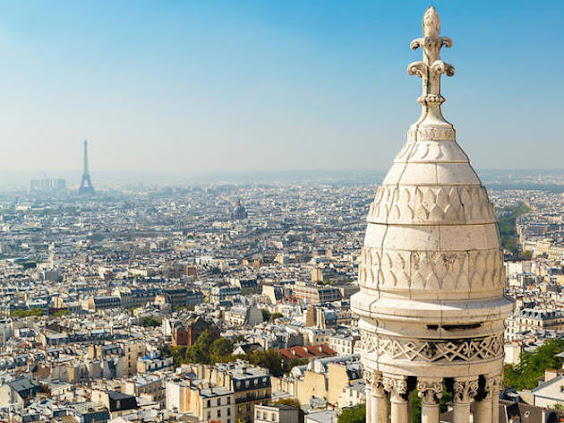
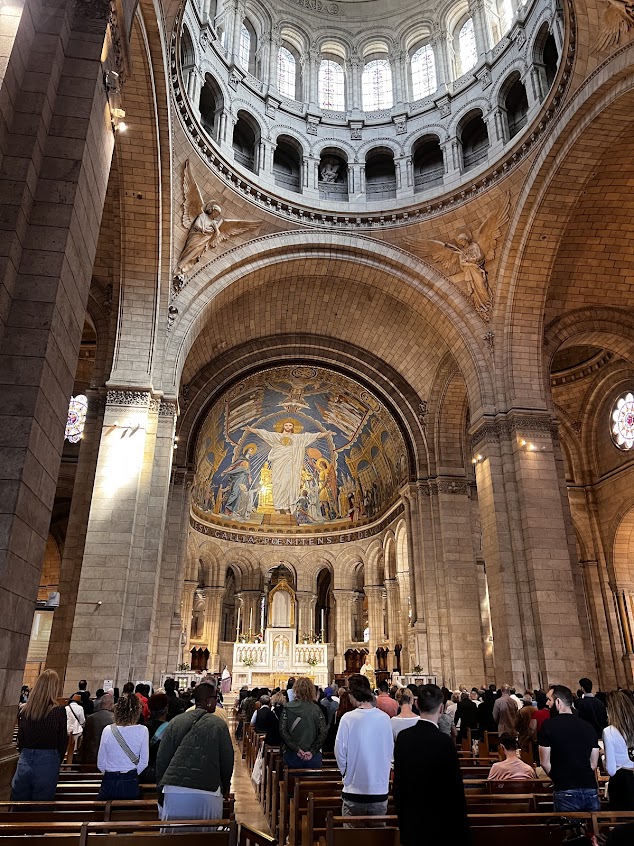
Sacré-Cœur Basilica sits atop Montmartre Hill, offering stunning views of Paris. Known for its beautiful white facade, visitors can explore the basilica’s intricate mosaics and climb the dome for panoramic views.
Historical Significance of Sacré-Cœur Basilica
Completed in 1914, Sacré-Cœur was built as a symbol of hope after France’s defeat in the Franco-Prussian War. It remains an important pilgrimage site.



Location of Sacré-Cœur Basilica
35 Rue du Chevalier de la Barre, 75018 Paris, France
Traveling
Accessible by metro (Anvers or Abbesses stations) or by the Montmartre Funicular.
Nearby Eateries
- Le Consulat: leconsulatparis.com
- La Maison Rose: lamaisonroseparis.com
Cost
Free entry; dome climb costs €6.
Arc de Triomphe
Description
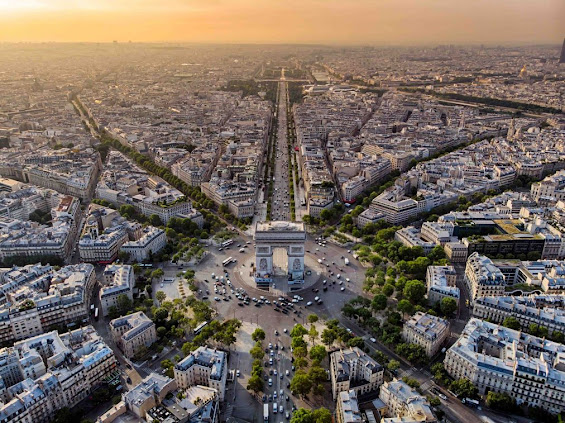
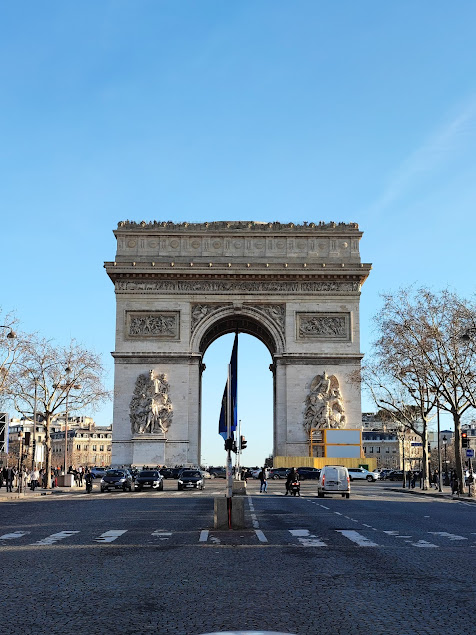
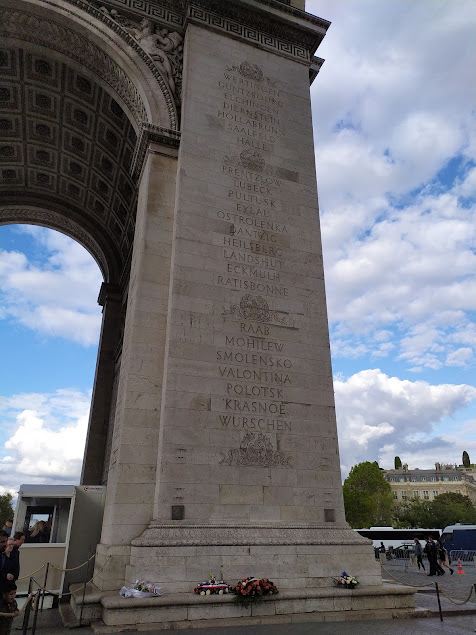
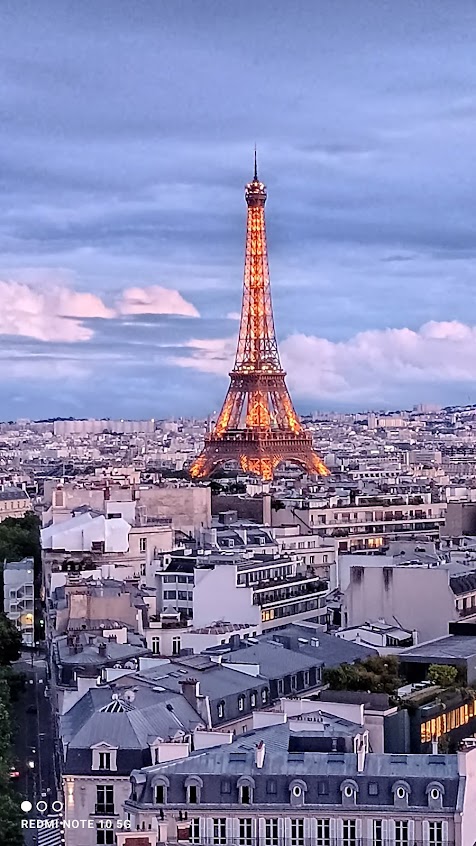
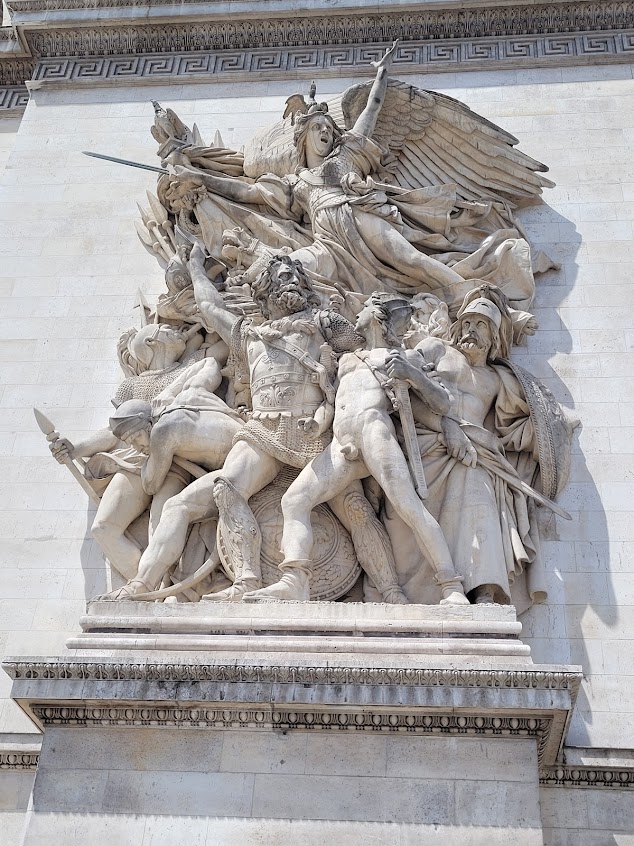
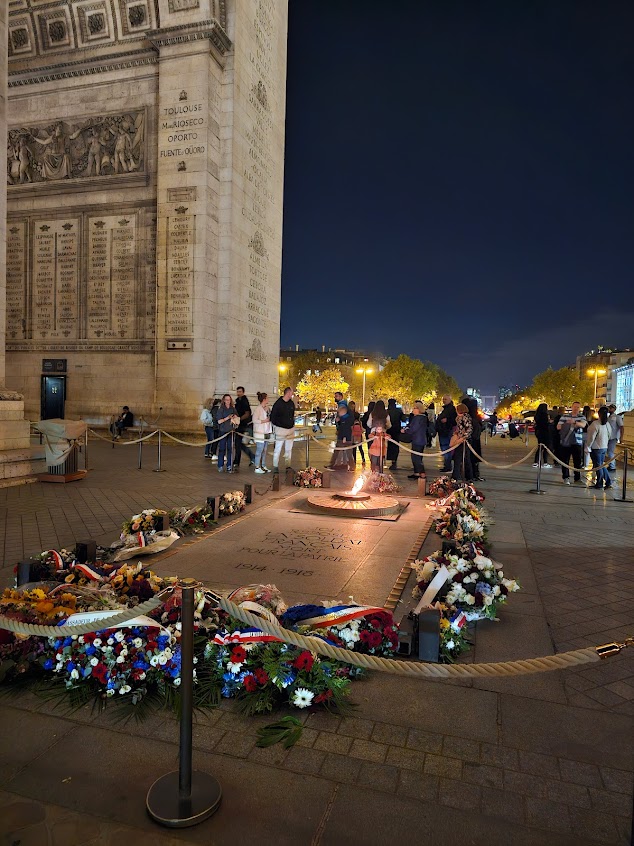
The Arc de Triomphe honors those who fought for France, especially during the Napoleonic Wars. Visitors can enjoy the historical carvings and climb to the top for a view of Paris, including the Eiffel Tower and Champs-Élysées.
Historical Significance of Arc de Triomphe
Commissioned by Napoleon in 1806, the Arc is a national symbol of French pride and honors soldiers who fought for France.

Location of Arc de Triomphe
Place Charles de Gaulle, 75008 Paris, France
Traveling
Accessible by metro (Charles de Gaulle – Étoile station).
Nearby Eateries
- L’Atelier de Joël Robuchon: atelier-robuchon.com
- Le Fouquet’s Paris: fouquets.com
Cost
Adults: €13, Free for EU citizens under 26.
Champs-Élysées
Description
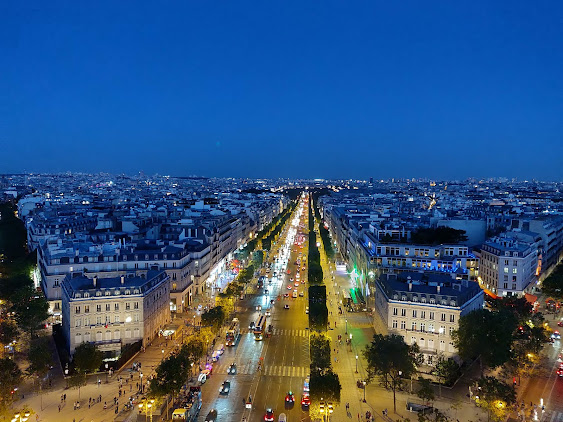
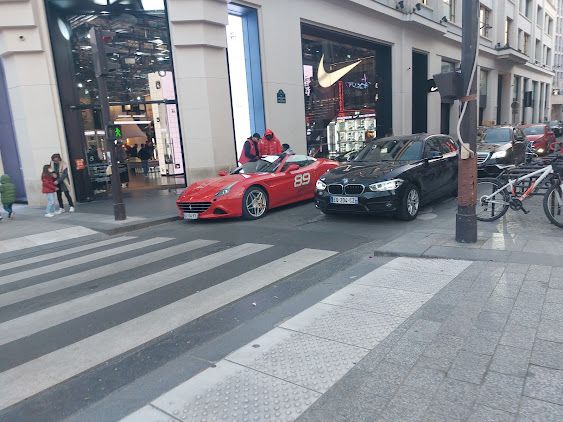
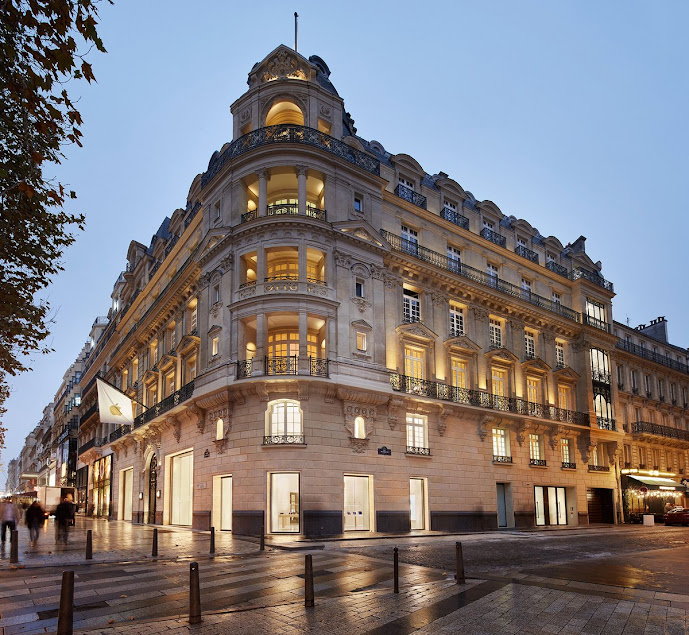
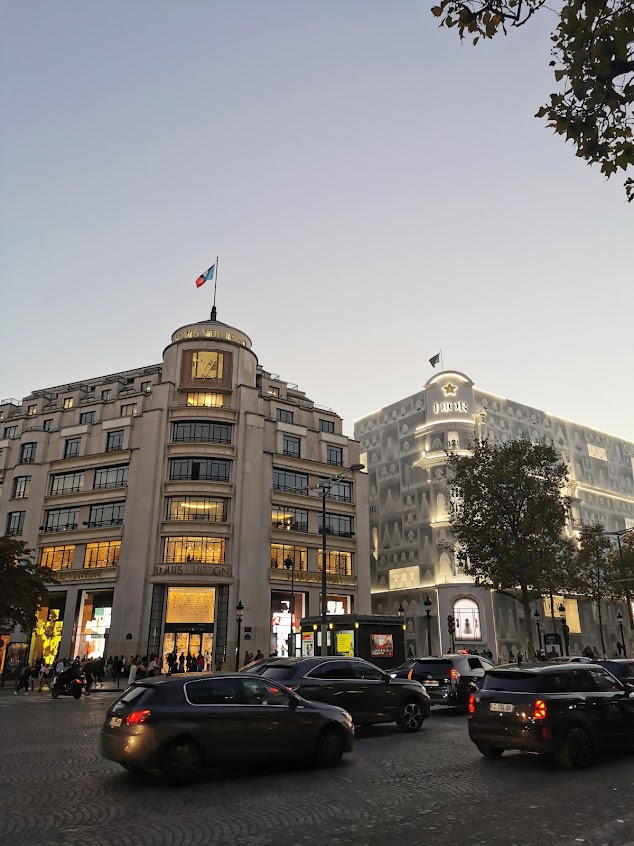
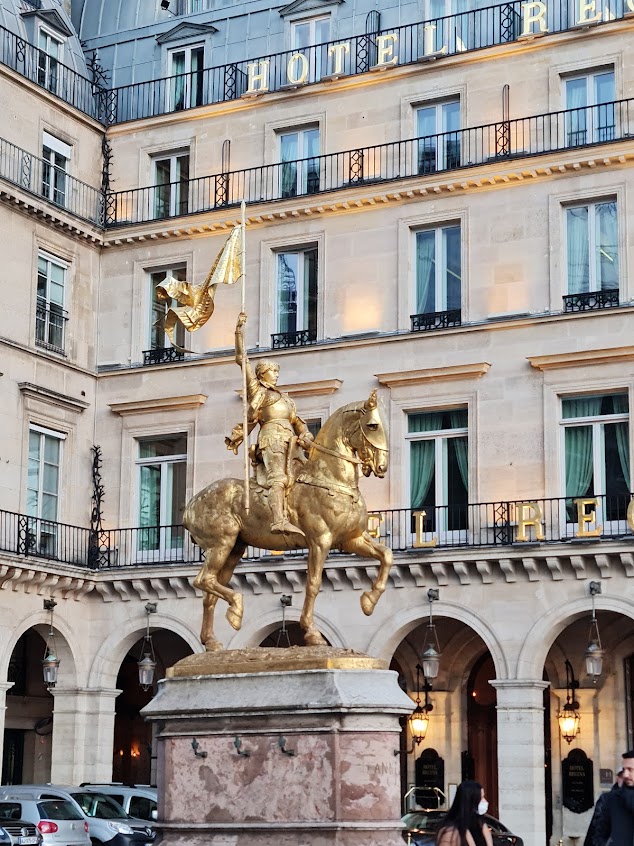
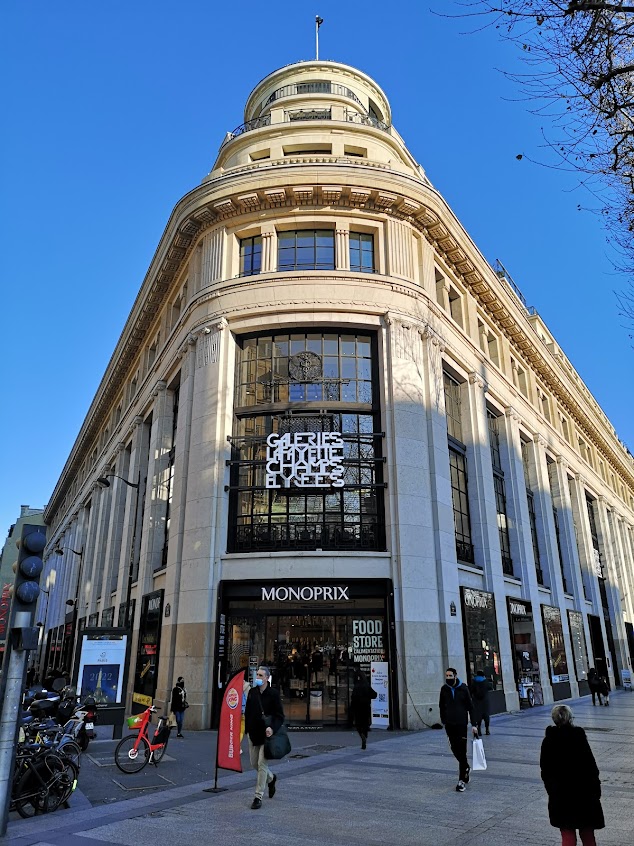
The Champs-Élysées is a famous avenue lined with shops, theaters, and cafes. It stretches from the Arc de Triomphe to the Place de la Concorde, making it perfect for a stroll, shopping, or a meal at a sidewalk café.
Historical Significance of Champs-Élysées
Established in the 17th century, this avenue has hosted countless parades, protests, and celebrations, making it a central piece of Parisian life.

Location of Champs-Élysées
Avenue des Champs-Élysées, 75008 Paris, France
Traveling
Accessible by metro (Champs-Élysées – Clemenceau or Franklin D. Roosevelt stations).
Nearby Eateries
- Le Fouquet’s Paris: fouquets.com
- Ladurée: laduree.fr
Cost
Free to explore.
Musée d’Orsay
Description
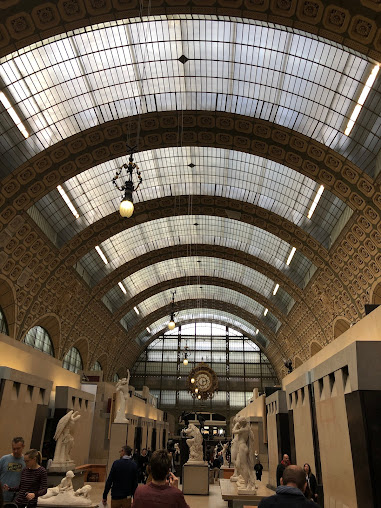
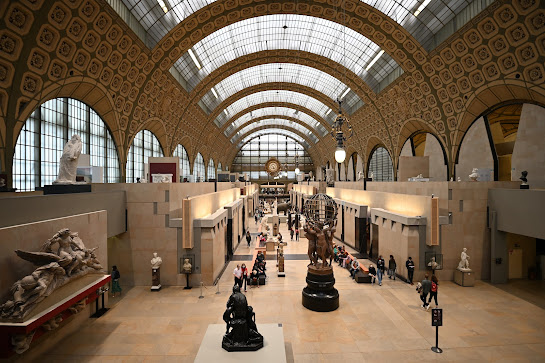
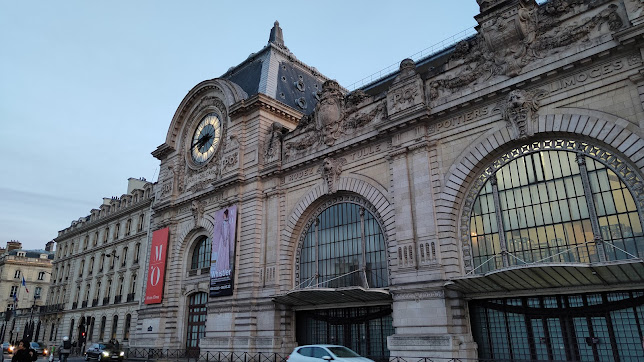
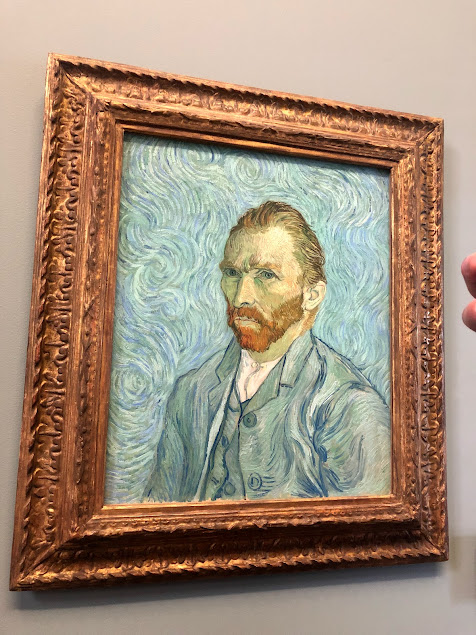
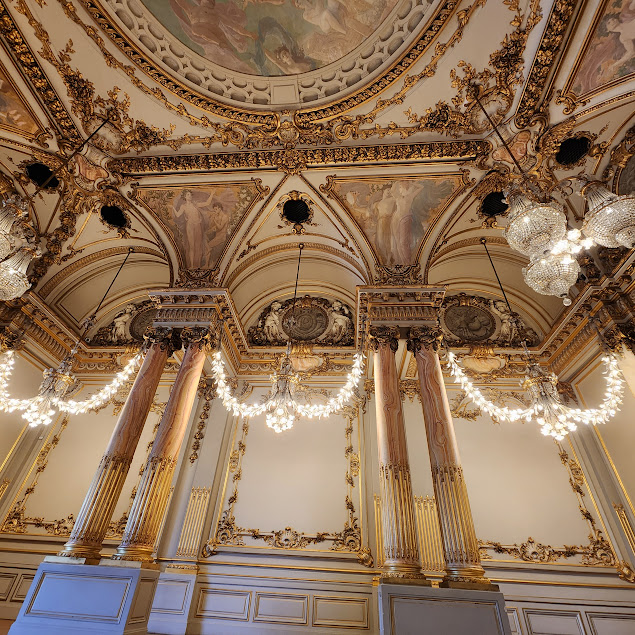
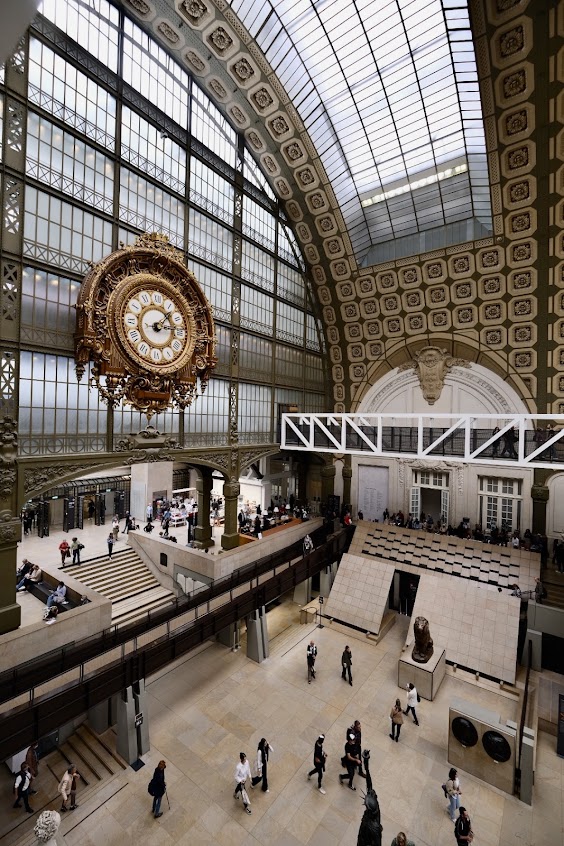
Musée d’Orsay is home to an impressive collection of French art, including works by Monet, Van Gogh, and Degas. Housed in a former railway station, it’s known for its unique architecture and beautiful displays of Impressionist art.
Historical Significance of Musée d’Orsay
Opened in 1986, the museum focuses on art from 1848 to 1914, showcasing France’s rich cultural heritage during this period.



Location of Musée d’Orsay
1 Rue de la Légion d’Honneur, 75007 Paris, France
Traveling
Accessible by metro (Solférino station) or RER (Musée d’Orsay).
Nearby Eateries
- Les Climats: lesclimats.fr
- Café Campana (inside the museum): musee-orsay.fr
Cost
Adults: €16, Free for EU citizens under 26.
Montmartre
Description
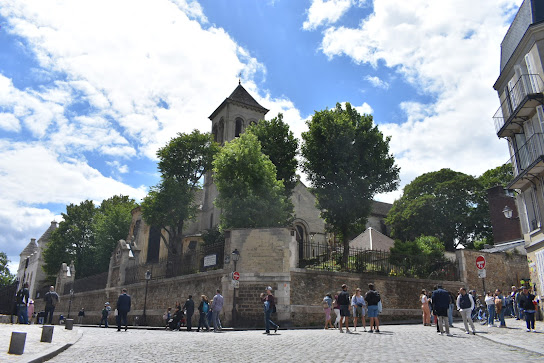
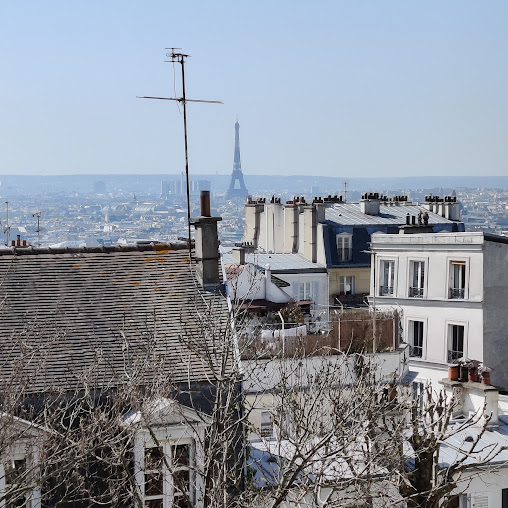
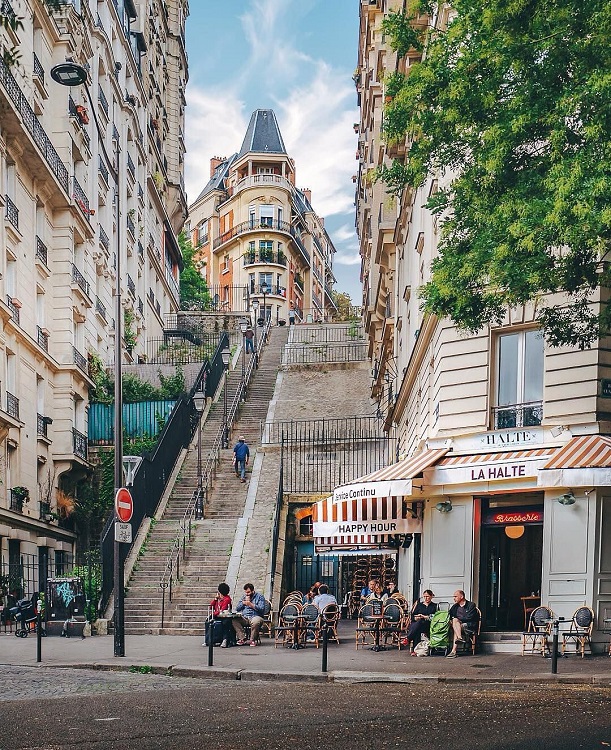
Montmartre is a charming hilltop district known for its artistic vibe, cobblestone streets, and the Sacré-Cœur Basilica. It’s a great place to explore art galleries, small shops, and enjoy the views over Paris.
Historical Significance of Montmartre
Home to famous artists like Picasso and Van Gogh, Montmartre has long been a hub for creatives and played a key role in Paris’s cultural scene.



Location of Montmartre
75018 Paris, France
Traveling
Accessible by metro (Anvers or Abbesses stations).
Nearby Eateries
- Le Consulat: leconsulatparis.com
- La Crêperie Brocéliande: creperie-broceliande.com
Cost
Free to explore.
Palace of Versailles
Description
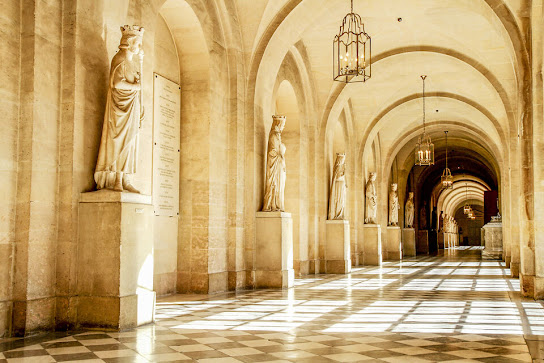
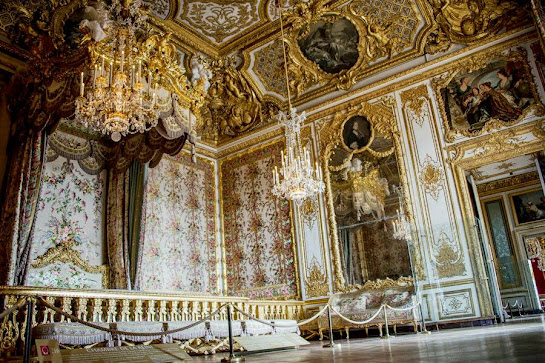
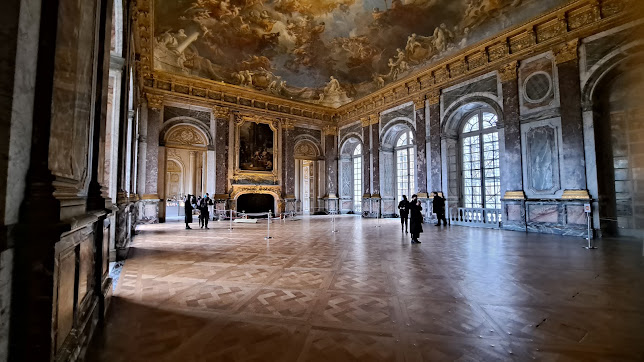
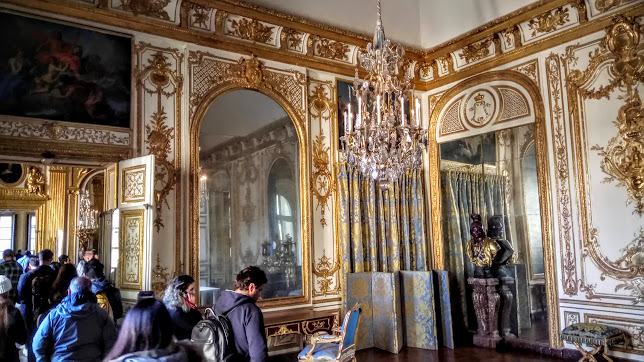
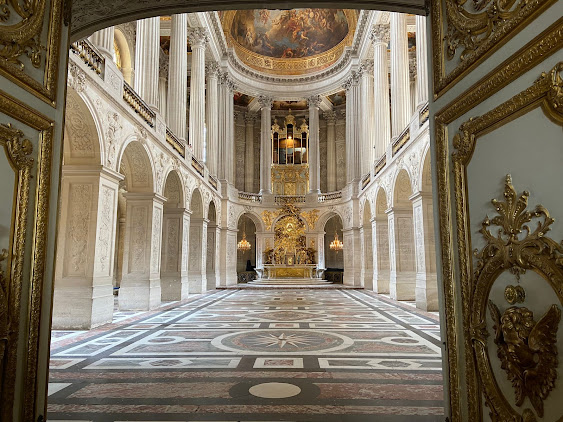
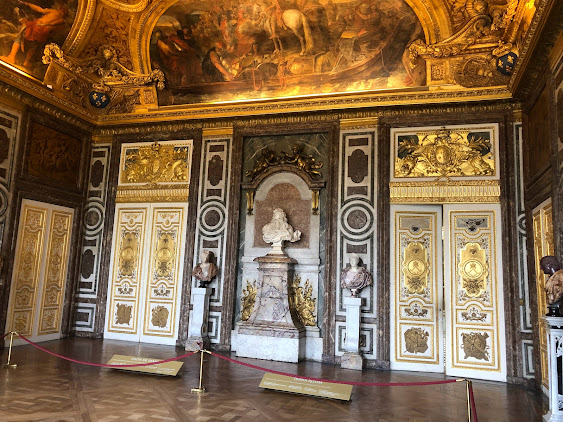
The Palace of Versailles is a magnificent estate featuring the stunning Hall of Mirrors, grand gardens, and royal apartments. It’s a UNESCO World Heritage site and offers a glimpse into the extravagant lifestyle of the French monarchy.
Historical Significance of Palace of Versailles
Versailles was the royal residence of Louis XIV and a symbol of absolute monarchy until the French Revolution. It’s one of the most famous palaces in the world.
Location of Palace of Versailles
Place d’Armes, 78000 Versailles, France
Traveling
Accessible by train (Versailles Château Rive Gauche station).
Nearby Eateries
- Ore – Ducasse au Château de Versailles: ducasse-chateauversailles.com
- La Petite Venise: restaurantlapetitevenise.com
Cost
Palace ticket: €19.50, Gardens: Free, Trianon: €12
Seine River
Description
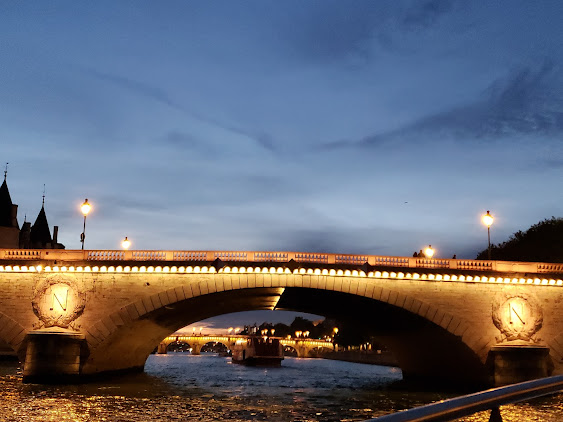
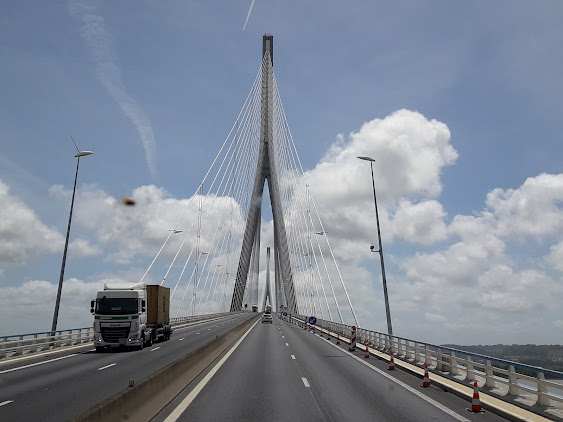
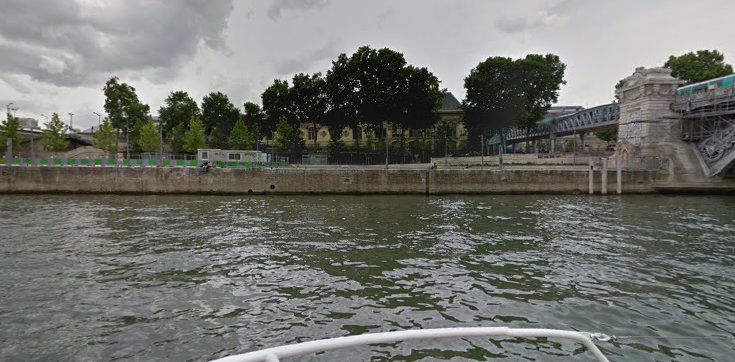
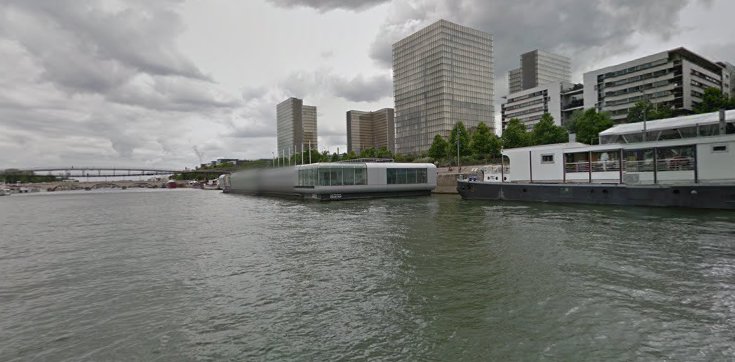
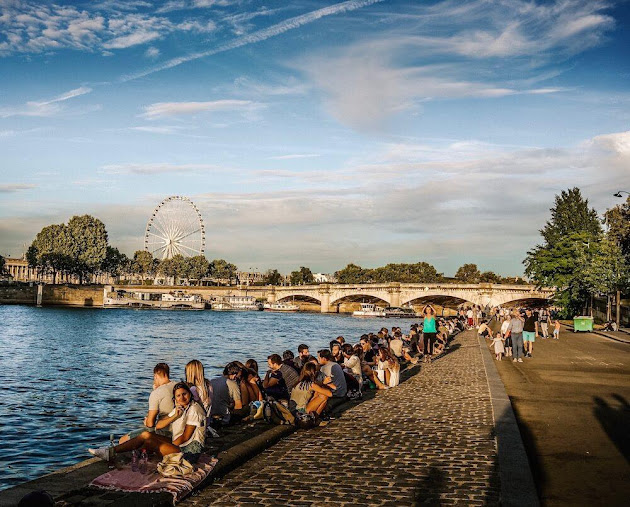
The Seine River flows through the heart of Paris, offering scenic cruises with views of iconic landmarks like the Eiffel Tower, Notre-Dame, and Louvre. It’s a relaxing way to experience the beauty of Paris.
Historical Significance of Seine River
The Seine has been a lifeline for Paris since ancient times, central to the city’s trade, transportation, and development.



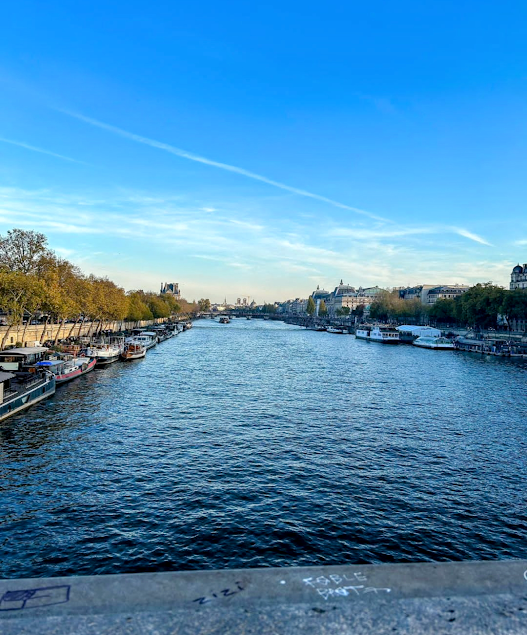
Location of Seine River
Paris, France
Traveling
Accessible by metro stations near river docks (like Pont Neuf).
Nearby Eateries
- Le Procope: procope.com
- Café de Flore: cafedeflore.fr
Cost
River cruises: €15 – €20 per person.


