


Ahmedabad
Ahmedabad is a major city in the western Indian state of Gujarat, known for its rich history and vibrant culture. It is famous for being the home of Mahatma Gandhi’s Sabarmati Ashram, where he led the movement for India’s independence.
The city is also known for its stunning architecture, including the intricately designed Jama Masjid and the stepwells like Adalaj. Ahmedabad offers a lively mix of modern life and traditional heritage, with busy markets, delicious Gujarati food, and colorful festivals. As a growing economic hub, it combines history and development, making it a fascinating place for tourists to explore.
1. Sabarmati Ashram
Description
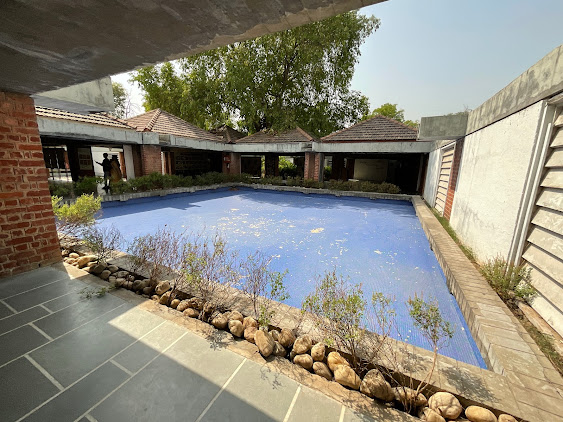
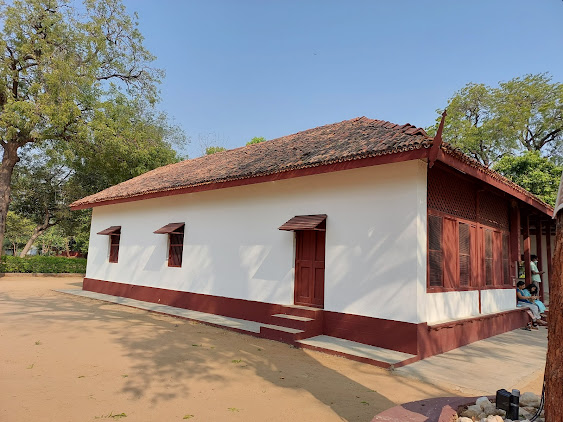
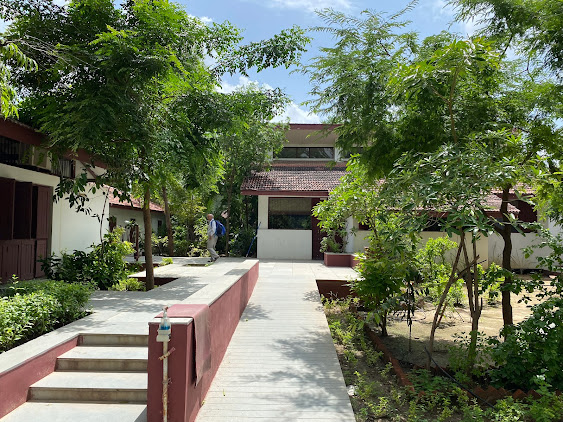
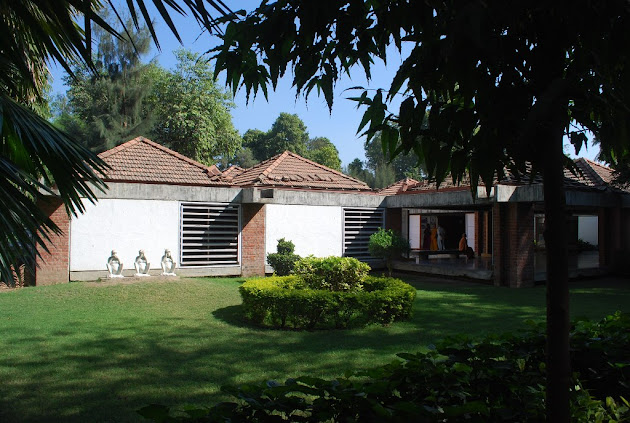
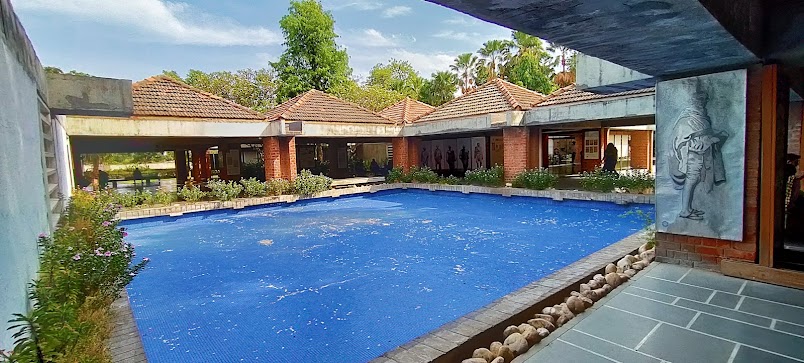
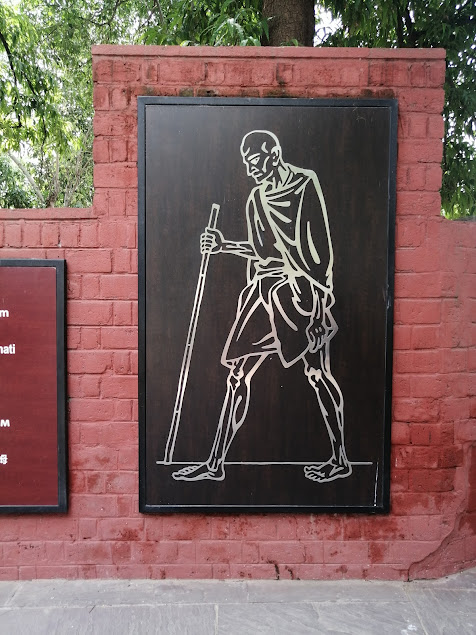
Sabarmati Ashram is one of the most famous historical sites in India, located on the banks of the Sabarmati River. This peaceful place served as Mahatma Gandhi’s residence from 1917 to 1930 and was the center of the Indian independence movement. The ashram offers a museum that displays Gandhi’s personal belongings, letters, and photographs.
Historical Significance
The Ashram was the starting point of the famous Dandi March in 1930, a significant event in the struggle for India’s freedom. It holds great historical importance as a symbol of non-violent resistance.




Location
Located in Ahmedabad, Gujarat.

Traveling
Easily accessible by local buses, auto-rickshaws, and taxis.
Nearby Eateries
- Agashiye: Known for traditional Gujarati thali. Agashiye Website
- Gopi Dining Hall: Offers affordable Gujarati meals.
Cost
Free to visit.
2. Jama Masjid
Description
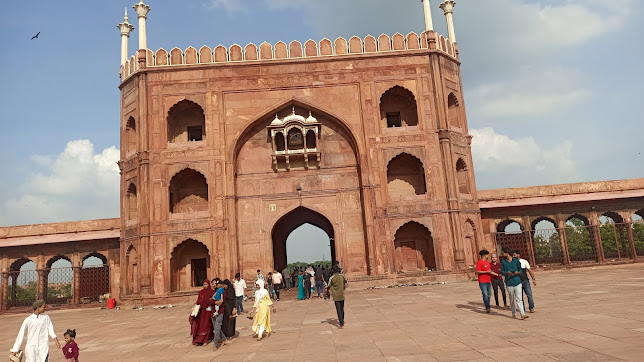
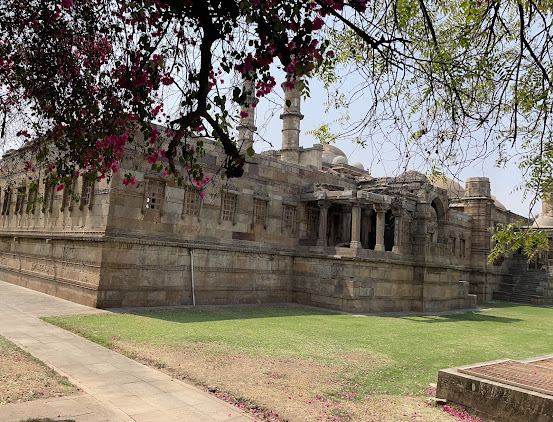
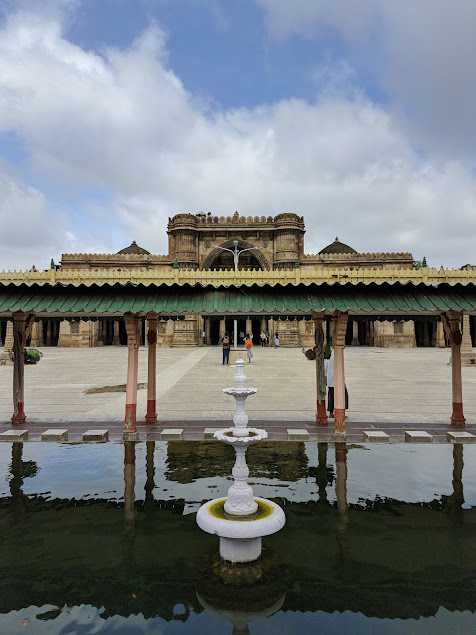
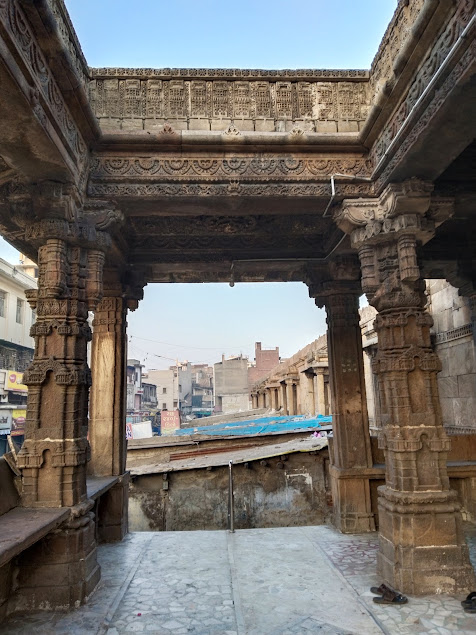
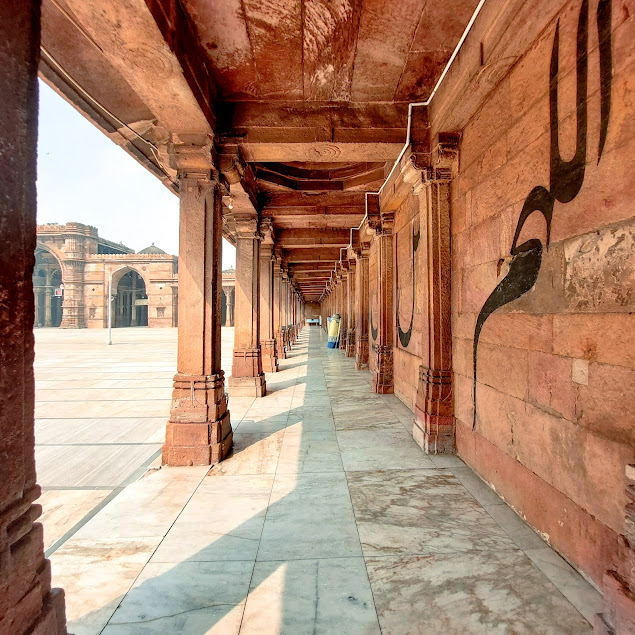
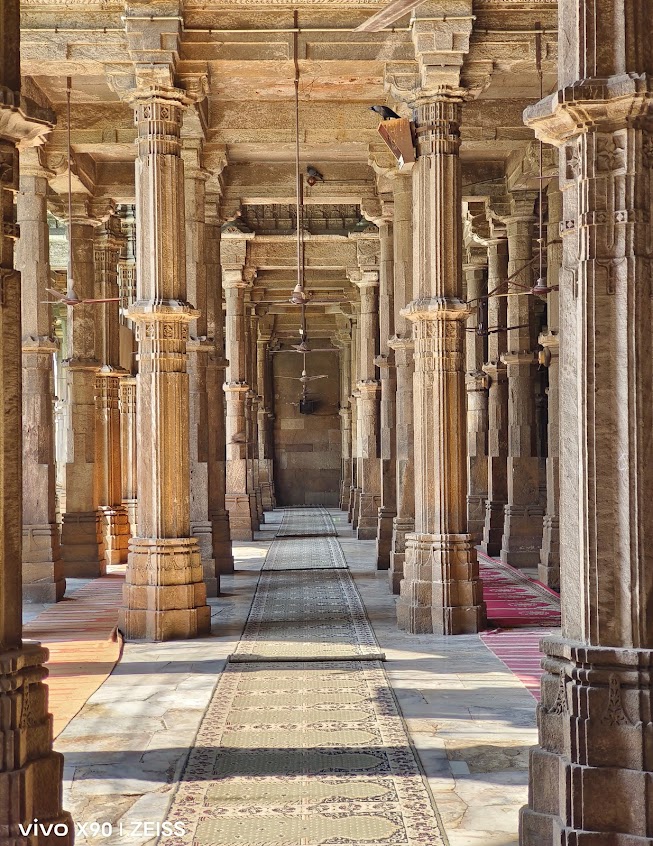
Jama Masjid in Ahmedabad is a stunning example of Indo-Islamic architecture. Built in 1424 by Sultan Ahmed Shah, it features grand arches, beautiful carvings, and a large courtyard. The mosque is still active, and visitors can explore the intricate design and historical details.
Historical Significance
Jama Masjid was constructed during the reign of Sultan Ahmed Shah, the founder of Ahmedabad. It is considered one of the most beautiful mosques in India and reflects the rich cultural heritage of Gujarat.




Location
Located near Manek Chowk, Ahmedabad.
Traveling
Accessible by local buses, taxis, and auto-rickshaws.
Nearby Eateries
- Lucky Restaurant: Famous for biryani and tea. Lucky Restaurant Website
- Green House: Known for its vegetarian snacks. Green House Website
Cost
Free to visit.
3. Kankaria Lake
Description
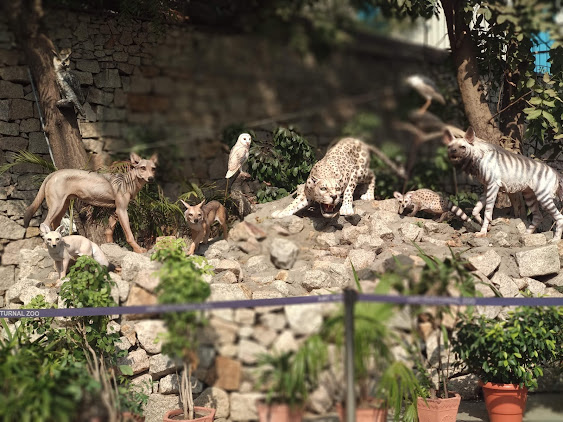
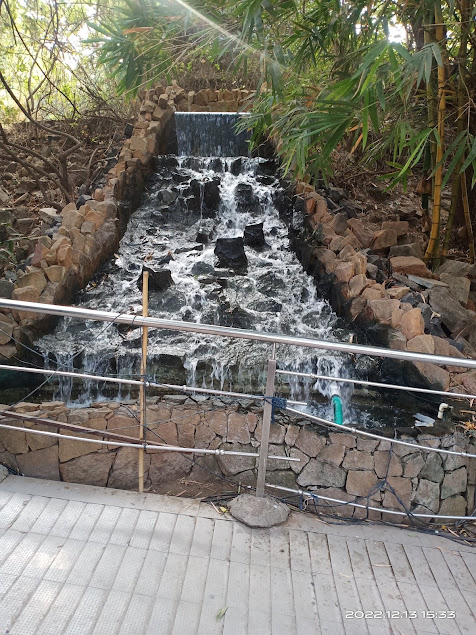
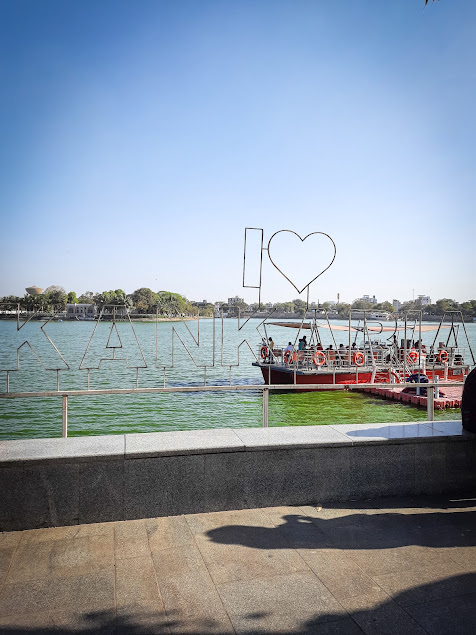
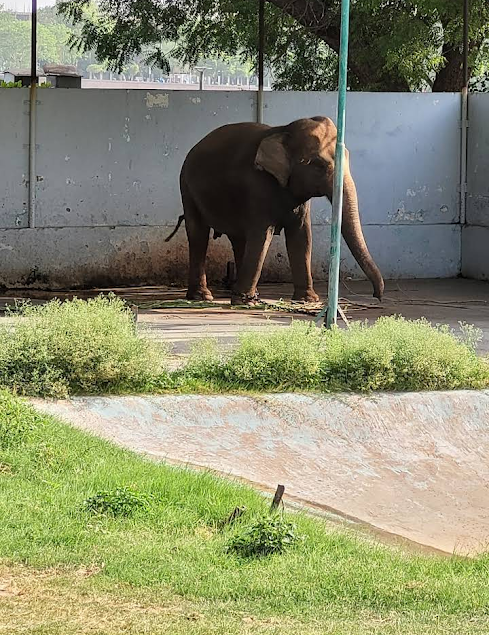
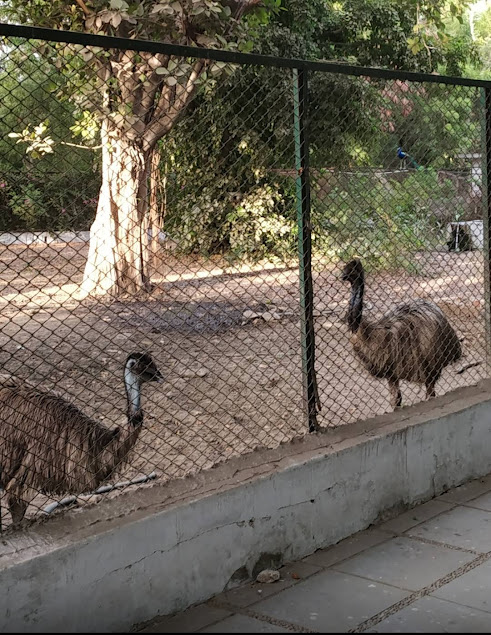
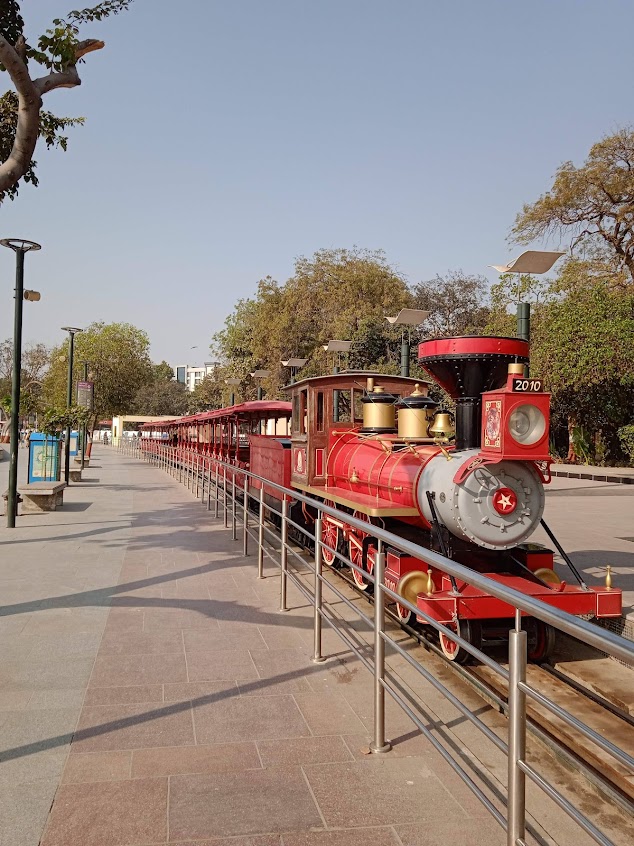
Kankaria Lake is a circular man-made lake in Ahmedabad that offers various attractions, such as a zoo, toy train, and an amusement park. The lake is a popular recreational spot for both locals and tourists, and the nightly light and sound show adds to the charm.
Historical Significance
Kankaria Lake was built in the 15th century by Sultan Qutb-ud-Din. The lake served as a water source for the region and has been an important landmark for centuries.



Location
Located in the Maninagar area, Ahmedabad.
Traveling
Accessible by local buses and taxis.
Nearby Eateries
- Kankaria Food Court: Offers various street food options.
- Sankalp Restaurant: Famous for South Indian dishes.
Cost
Entry fee is ₹10 for adults and ₹5 for children.
4. Sidi Saiyyed Mosque
Description
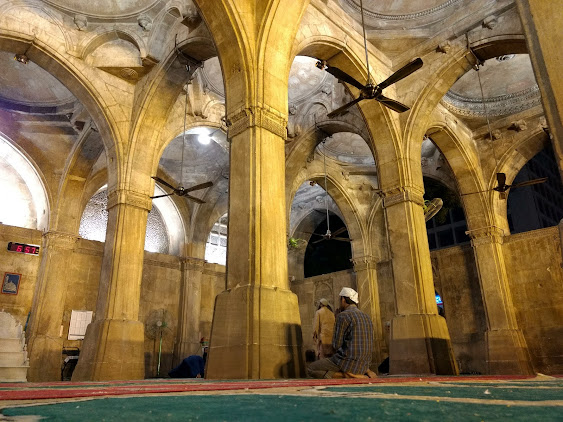
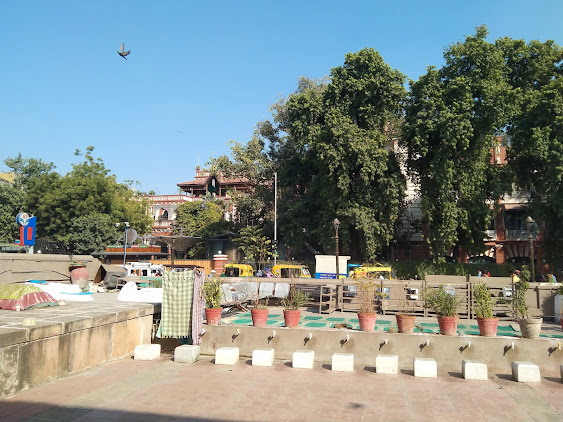
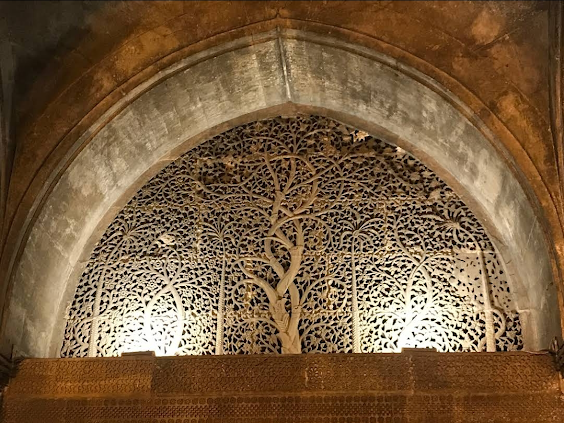
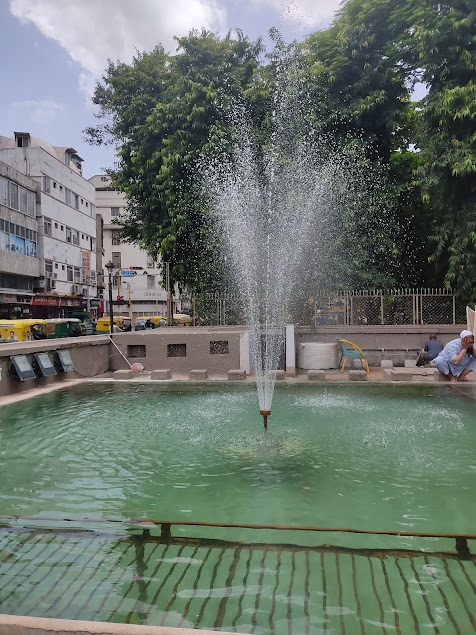
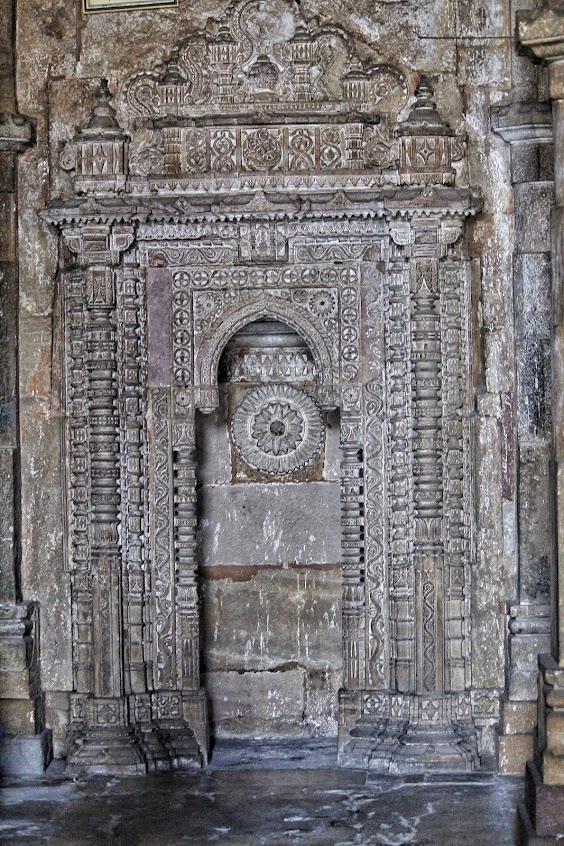
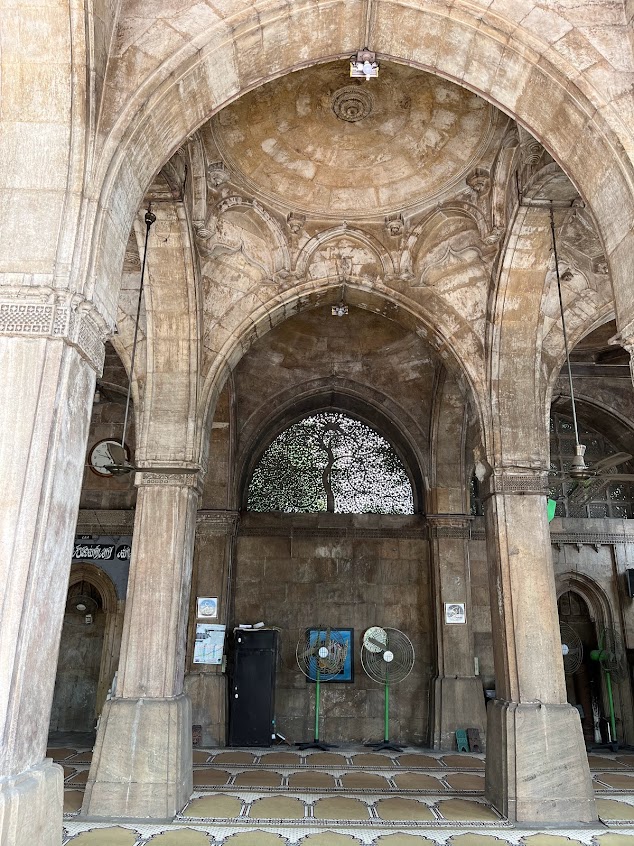
Sidi Saiyyed Mosque is known for its intricate stone latticework, particularly the famous “Tree of Life” window, which is a masterpiece of craftsmanship. The mosque is a fine example of Indo-Islamic architecture and remains an iconic symbol of Ahmedabad.
Historical Significance
The mosque was built in 1573 by Sidi Saiyyed, a nobleman in the court of Sultan Ahmed Shah. It’s renowned for its delicate jali (lattice) work, showcasing the artistic brilliance of the time.


Location
Located near Lal Darwaza, Ahmedabad.
Traveling
Accessible by local buses, taxis, and auto-rickshaws.
Nearby Eateries
- Manek Chowk: A street food hub offering a variety of snacks.
- Swati Snacks: Known for Gujarati street food. Swati Snacks Website
Cost
Free to visit.
5. Adalaj Stepwell
Description
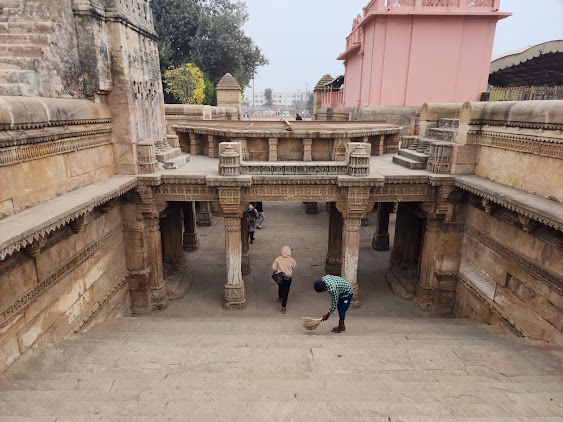
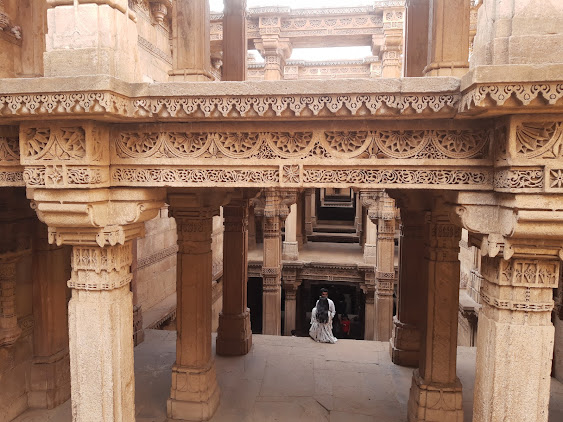
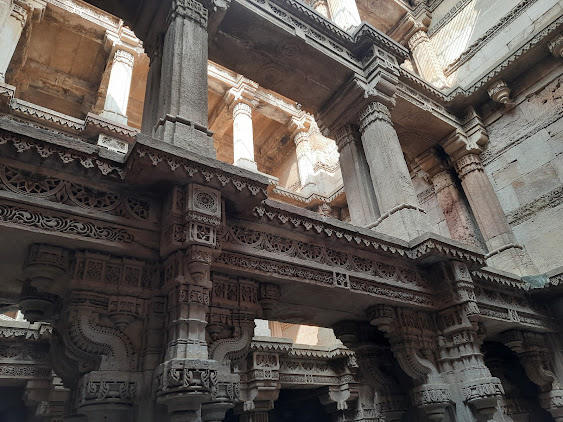
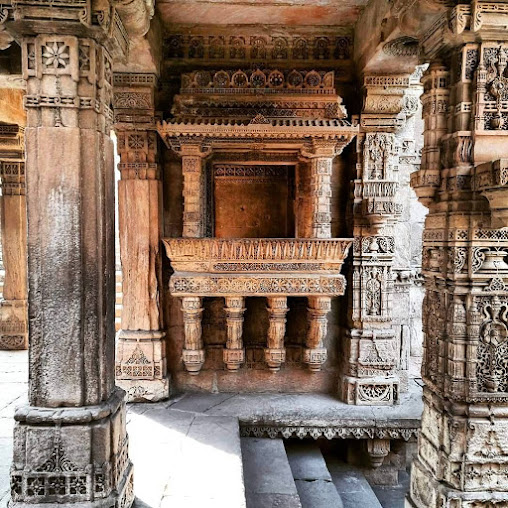
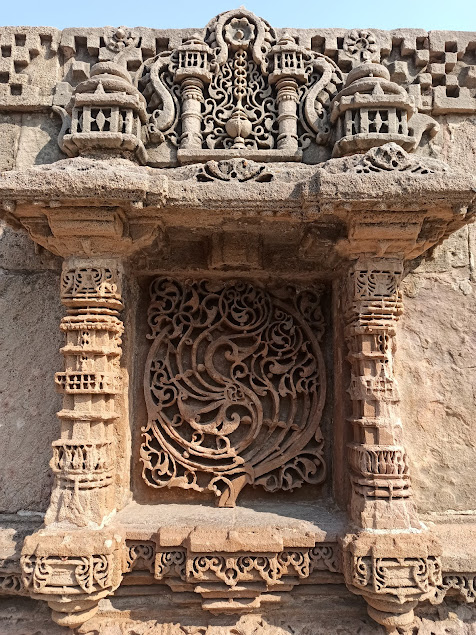
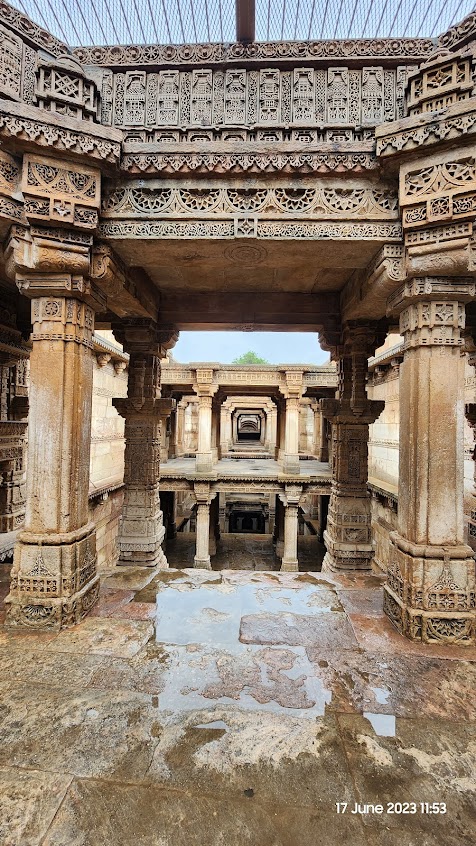
Adalaj Stepwell is a five-story deep stepwell built in 1499 by Queen Rudabai. The stepwell features beautiful carvings on the walls and pillars, with a unique blend of Hindu and Islamic architecture. Visitors can explore the intricate designs while enjoying the cool atmosphere inside the well.
Historical Significance
The stepwell was built to provide water to the people of the arid region and served as a resting place for travelers. It holds cultural and architectural significance as a symbol of the region’s ancient water management systems.


Location
Located in the village of Adalaj, 18 km from Ahmedabad.
Traveling
Accessible by taxis and private vehicles.
Nearby Eateries
- Vishalla: Famous for traditional Gujarati cuisine. Vishalla Website
- Rajwadu: Known for its village-style dining experience. Rajwadu Website
Cost
Free to visit.
6. Bhadra Fort
Description
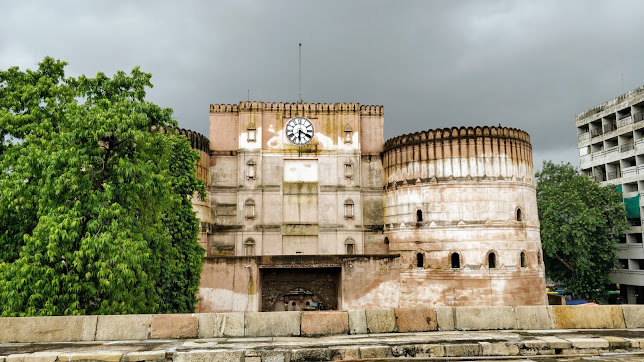
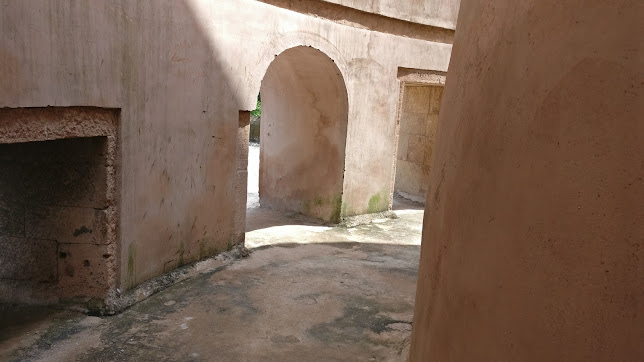
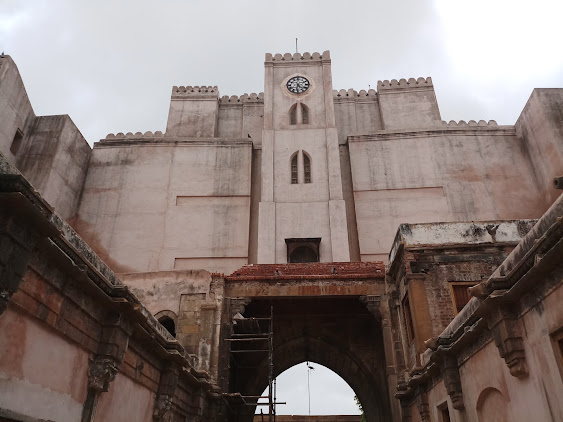
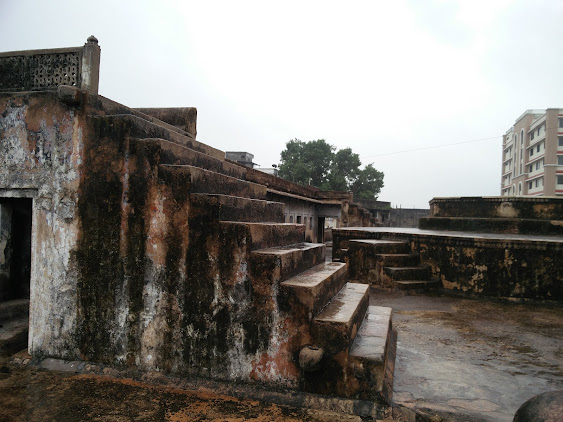
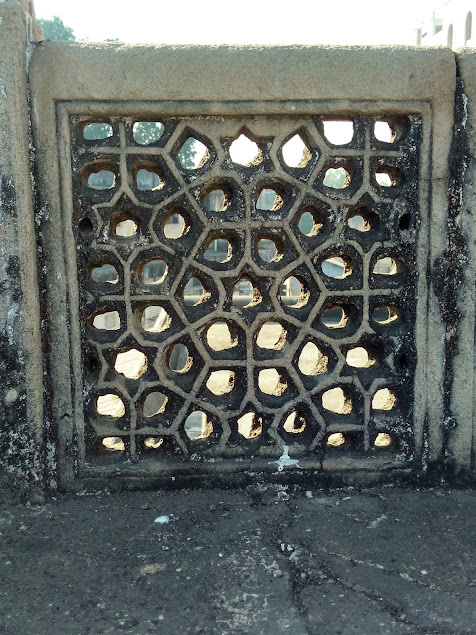
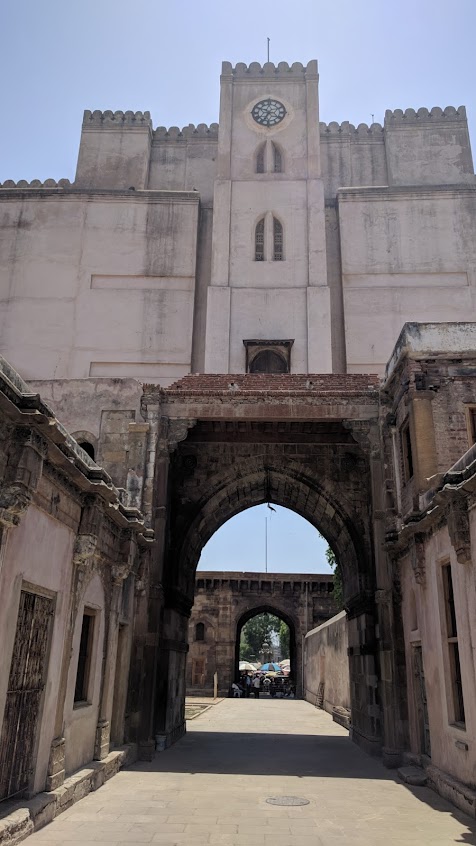
Bhadra Fort is a grand structure built in 1411 by Sultan Ahmed Shah. The fort houses a beautiful palace, a temple, and open spaces for festivals and ceremonies. Visitors can explore the fort’s historical architecture and learn about the rich heritage of the area.
Historical Significance
Bhadra Fort was the royal seat of the Sultanate of Gujarat. It played a vital role in the region’s defense and administration. The fort has witnessed several key historical events in Gujarat’s history.
Location
Located in the center of Ahmedabad.
Traveling
Accessible by local buses, taxis, and auto-rickshaws.
Nearby Eateries
- Agashiye: Known for traditional Gujarati thali. Agashiye Website
- Manek Chowk: Famous for street food.
Cost
Free to visit.
7. Sarkhej Roza
Description
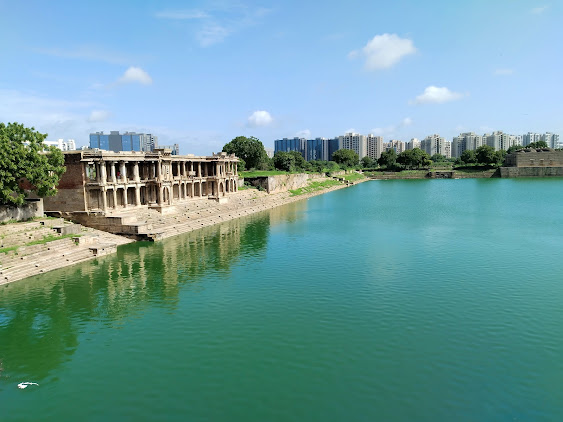
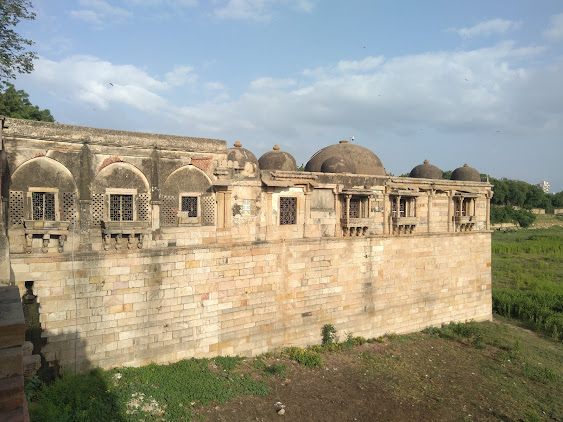
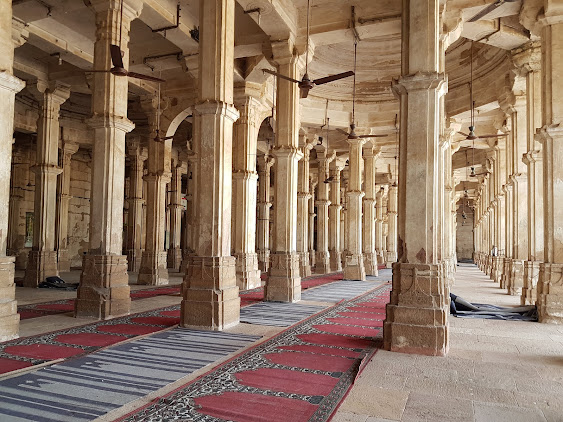
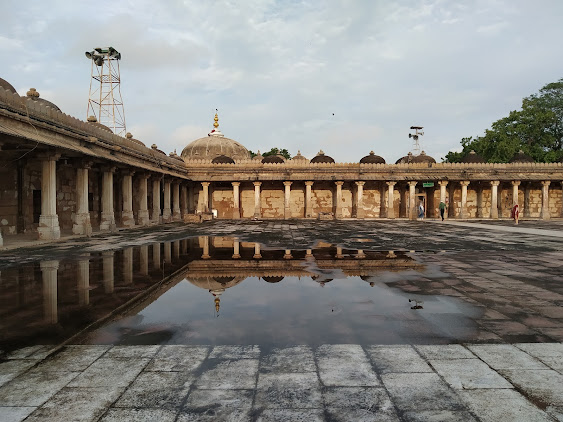
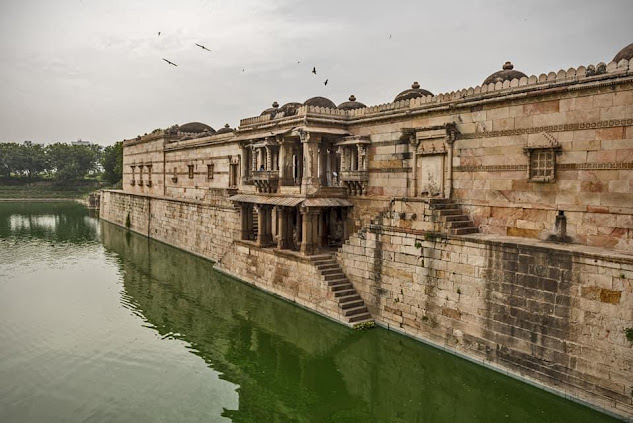
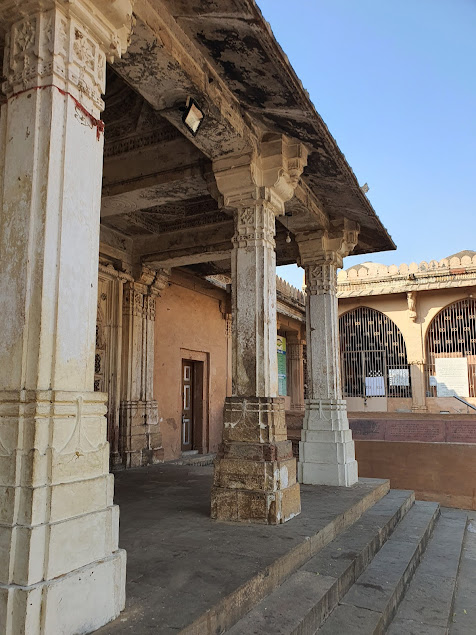
Sarkhej Roza is a complex of tombs, mosques, and palaces, considered one of the finest examples of Indo-Saracenic architecture. The serene atmosphere and beautiful design make it a popular place for history lovers and tourists.
Historical Significance
The complex was built during the reign of Sultan Ahmed Shah and serves as the tomb of Ahmed Shah’s spiritual advisor, Sheikh Ganj Baksh. It is an architectural marvel reflecting both Hindu and Islamic styles.

Location
Located in Sarkhej, Ahmedabad.
Traveling
Accessible by local buses, taxis, and auto-rickshaws.
Nearby Eateries
- Honest Restaurant: Known for vegetarian meals. Honest Restaurant Website
- Vishalla: Traditional Gujarati cuisine. Vishalla Website
Cost
Free to visit.
8. Akshardham Temple
Description
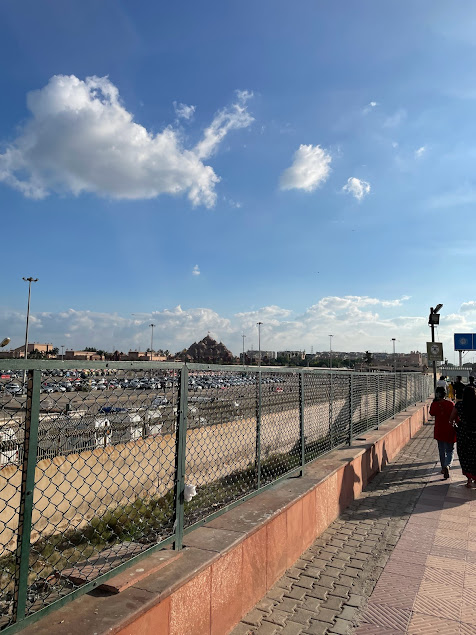
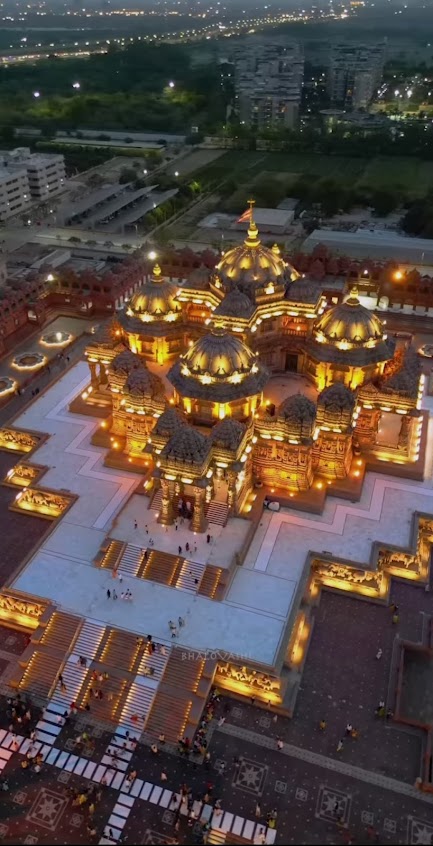
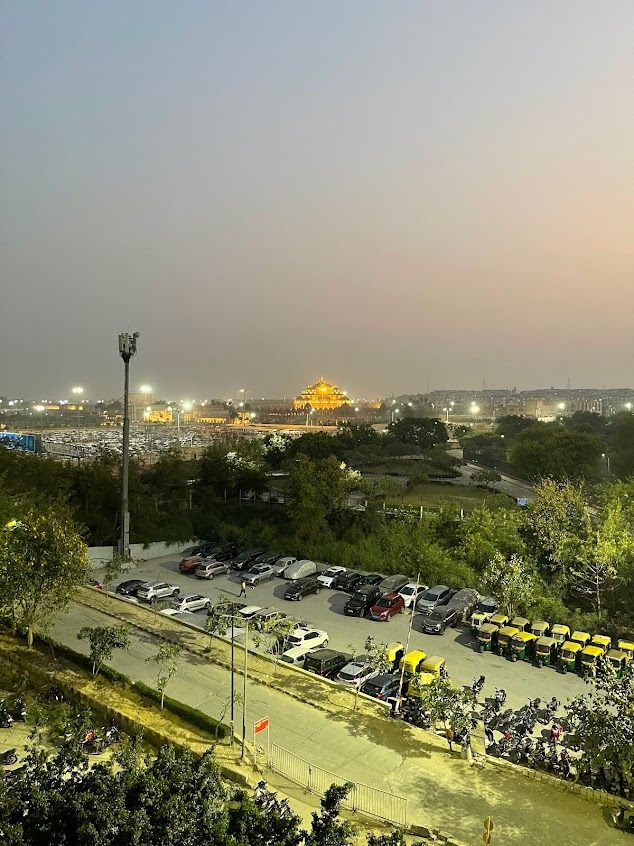
Akshardham Temple in Gandhinagar is a stunning spiritual complex dedicated to Swaminarayan. It features intricately carved stone structures, serene gardens, and cultural exhibitions. Visitors can also enjoy the musical fountain show in the evenings.
Historical Significance
The temple is part of the Swaminarayan tradition, celebrating the life and teachings of Lord Swaminarayan. It serves as both a spiritual and cultural center.

Location
Located in Gandhinagar, 30 km from Ahmedabad.
Traveling
Accessible by taxis and buses from Ahmedabad.
Nearby Eateries
- Yummy’s Restaurant: Famous for vegetarian meals.
- Purohit Thali: Known for Gujarati thali.
Cost
Free to visit.
9. Calico Museum of Textiles
Description
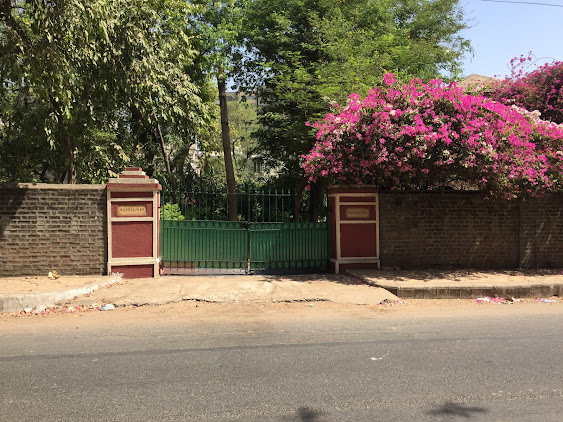
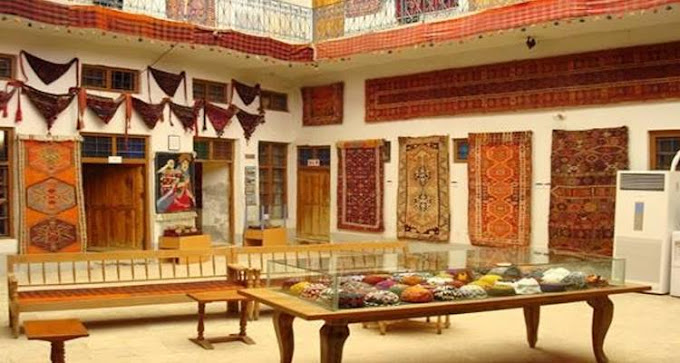
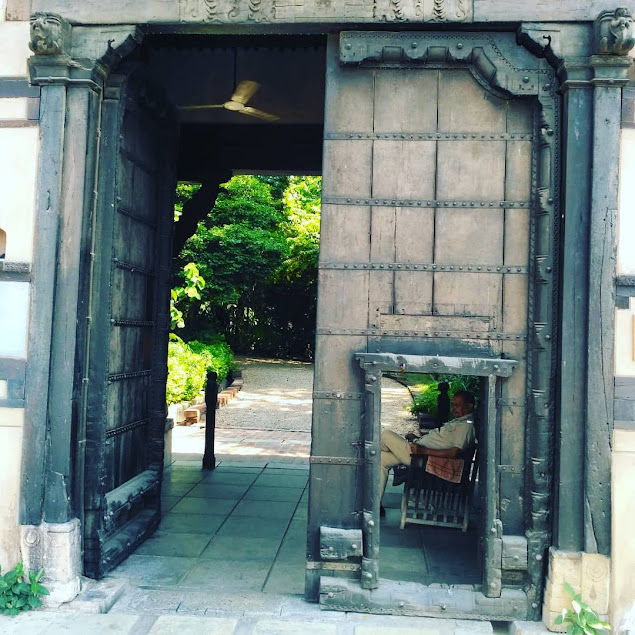
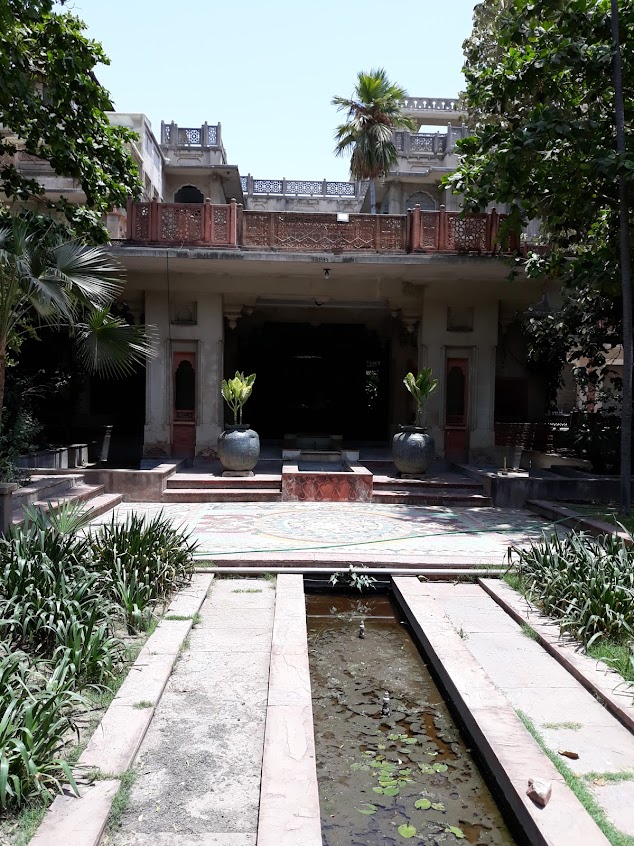
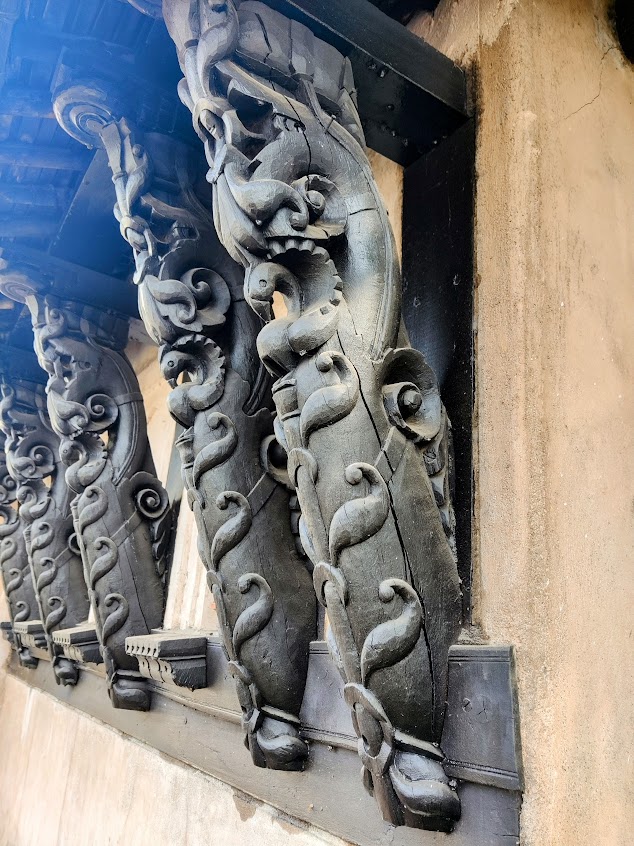
The Calico Museum of Textiles is a unique museum showcasing India’s rich textile heritage. The museum displays ancient and modern textiles, including rare fabrics, traditional costumes, and embroidery. It offers a fascinating insight into India’s weaving and textile traditions.
Historical Significance
Founded in 1949, the museum plays an essential role in preserving India’s textile history. It is renowned worldwide for its rare collection of fabrics dating back to several centuries.

Location
Located in Shahibaug, Ahmedabad.
Traveling
Accessible by taxis and auto-rickshaws.
Nearby Eateries
- Swati Snacks: Famous for Gujarati snacks. Swati Snacks Website
- Agashiye: Traditional Gujarati food. Agashiye Website
Cost
Free to visit, but prior booking is required.
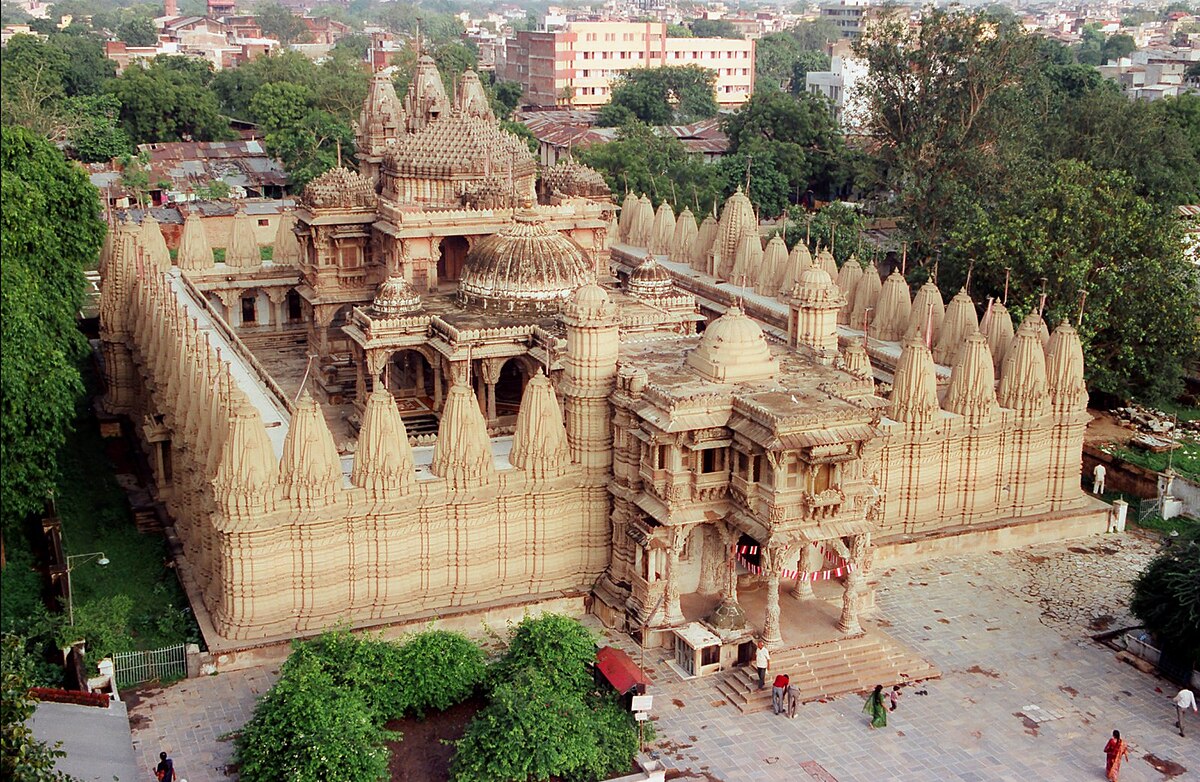
10. Hutheesing Jain Temple
Description
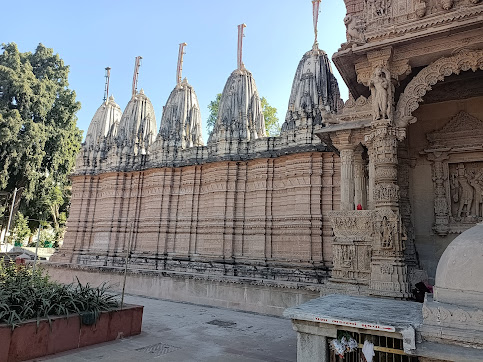
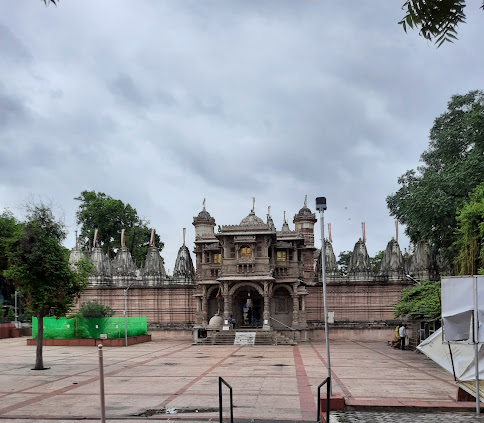
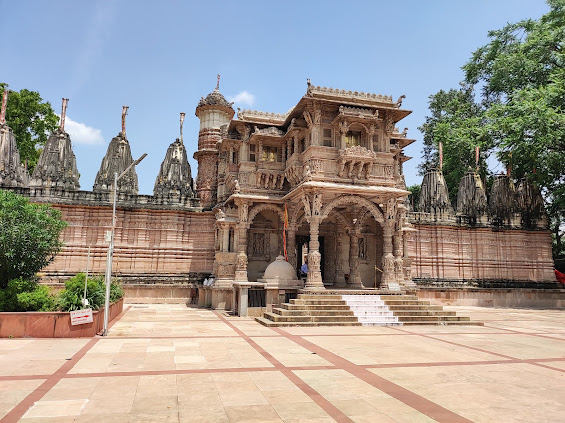
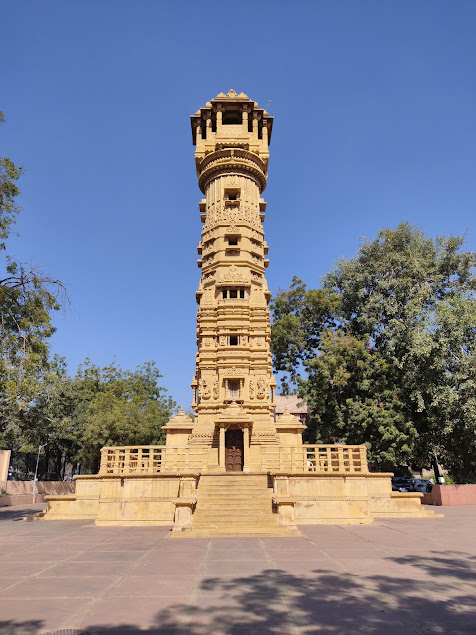
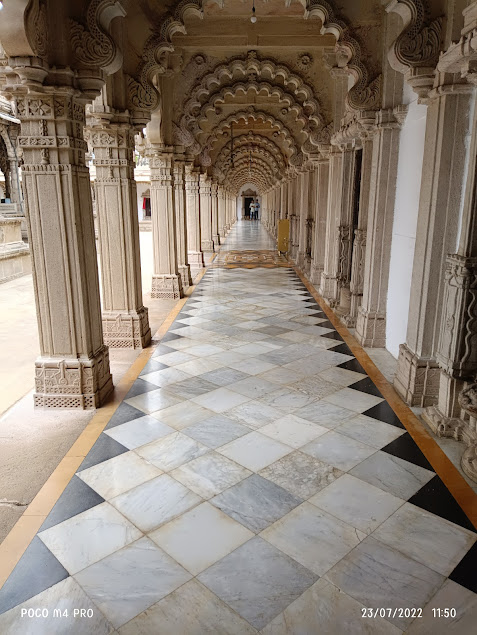
Hutheesing Jain Temple is a beautiful Jain temple built in 1848, known for its intricate marble carvings and peaceful atmosphere. The temple is dedicated to the 15th Jain Tirthankar, Dharmanath. Visitors can appreciate the detailed architecture and enjoy the serene environment.
Historical Significance
The temple was built during a time of famine and provided employment to hundreds of artisans. It remains an important religious site for the Jain community in Ahmedabad.




Location
Located near Delhi Darwaza, Ahmedabad.
Traveling
Accessible by local buses, taxis, and auto-rickshaws.
Nearby Eateries
- Swati Snacks: Known for vegetarian meals. Swati Snacks Website
- Vishalla: Famous for Gujarati thali. Vishalla Website
Cost
Free to visit.