


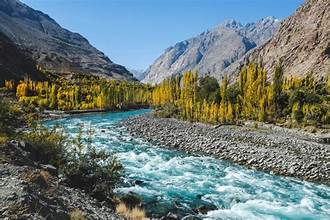
In the northernmost corner of Pakistan lies Gilgit-Baltistan — a land where nature’s beauty meets divine peace. This magical region, guarded by the mighty Karakoram and Himalaya ranges, invites travelers to witness a world of soaring peaks, emerald lakes, and warm-hearted people. From the frozen glaciers to the flower-filled meadows, every inch of Gilgit-Baltistan feels like a piece of heaven carefully placed on Earth. It is not only a destination but also an emotion that stays with anyone who visits.
The Natural Majesty of Gilgit-Baltistan
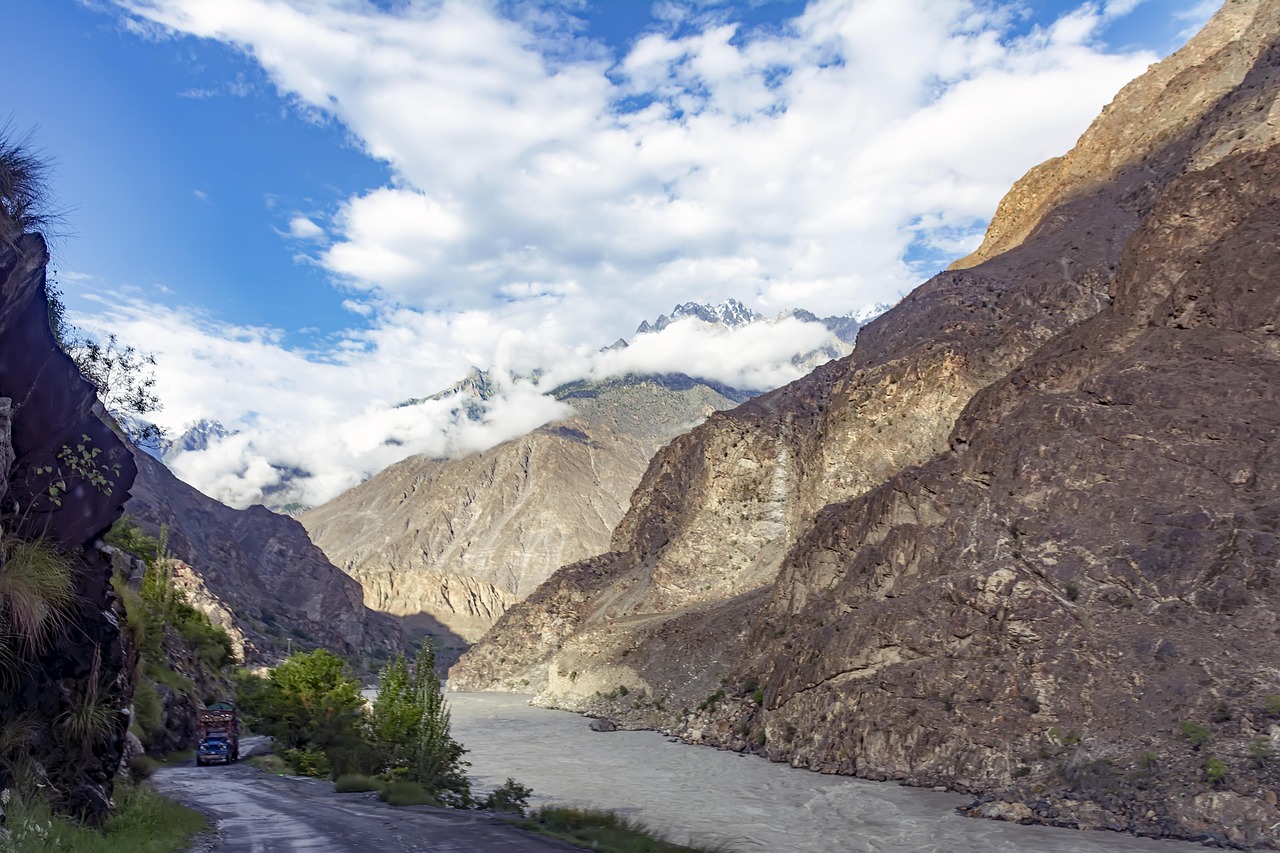
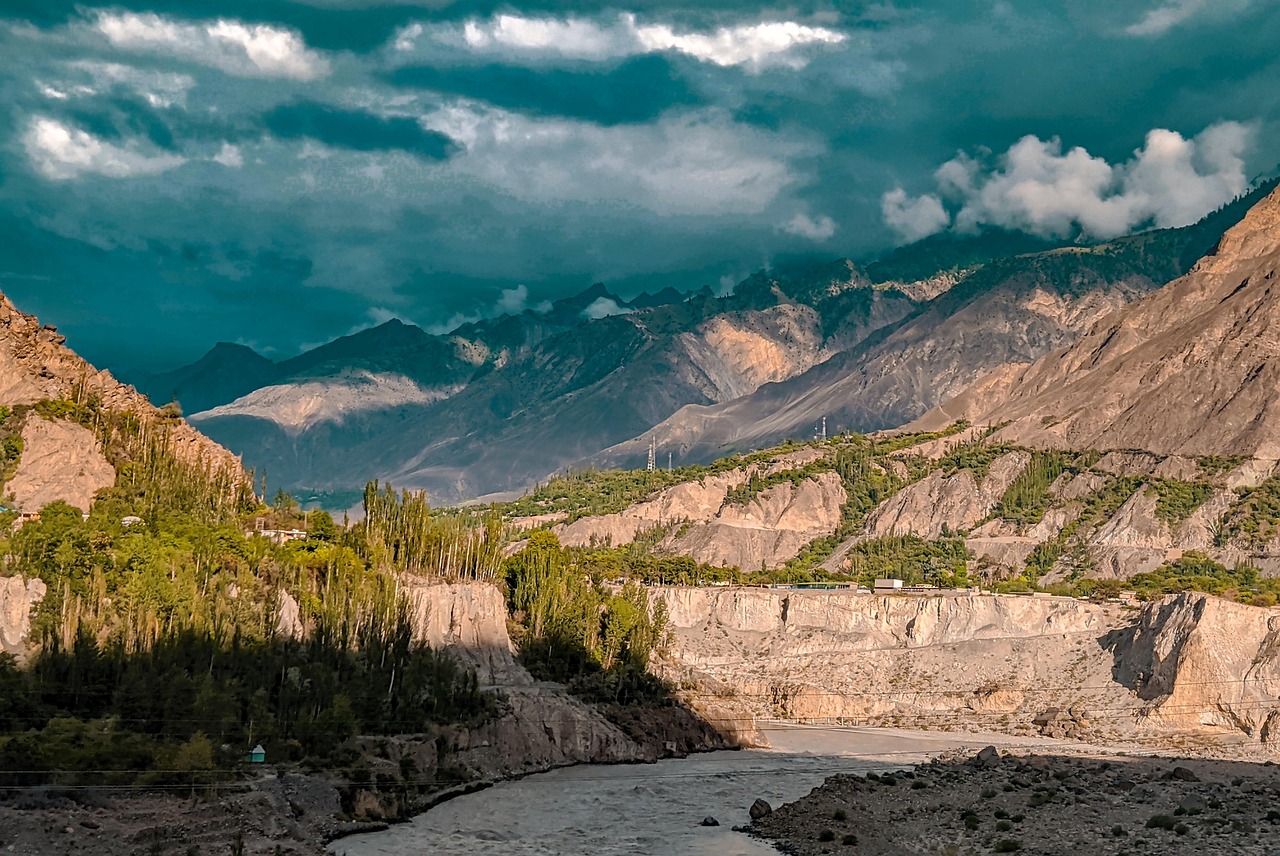
Gilgit-Baltistan is often called the “Roof of the World” because it houses some of the planet’s highest and most dramatic peaks. K2, Nanga Parbat, and Rakaposhi dominate the skyline, while rivers like the Indus, Hunza, and Gilgit snake through ancient valleys. Each curve of the land tells stories of time, wind, and endurance. Beyond the peaks, crystal lakes shimmer like mirrors, reflecting skies so clear that the stars seem close enough to touch. It’s a region where silence speaks louder than words and where every moment feels sacred.
Hunza Valley — The Crown Jewel of Gilgit-Baltistan
Among the most loved destinations in Gilgit-Baltistan stands the Hunza Valley — a symbol of peace, longevity, and natural beauty. The people of Hunza are famous for their hospitality and simple, joyful lives. Surrounded by the towering peaks of Ultar Sar, Rakaposhi, and Ladyfinger, the valley feels like a cradle of light. Attabad Lake, formed after a landslide in 2010, now glows with turquoise waters that captivate every visitor. Karimabad, the valley’s cultural heart, is home to the ancient Baltit and Altit Forts, each echoing tales of a royal past and centuries of resilience. The markets, filled with handmade crafts and local apricot products, offer a taste of authentic mountain life.
Location of Hunza Valley
The Hunza Valley lies in the northern region of Gilgit-Baltistan, around 100 kilometers from Gilgit city. It sits along the famous Karakoram Highway, once part of the ancient Silk Route that connected South Asia with China and Central Asia. Its elevation of roughly 2,500 meters offers a cool, refreshing climate and unmatched mountain views. This strategic and scenic location makes Hunza a perfect stop for travelers exploring Pakistan’s northern wonders.
Skardu — The Gateway to Adventure
Skardu, the pride of Gilgit-Baltistan, is a paradise for adventure seekers and dreamers alike. It is the launching point for treks toward K2, Broad Peak, and the Gasherbrum range — some of the highest and most challenging mountains in the world. Yet, Skardu is more than a mountaineer’s base; it’s a sanctuary of peace and reflection. The serene Satpara Lake glows under the sun, while the legendary Shangrila Resort offers postcard-perfect beauty surrounded by snow-draped peaks. Khaplu and Shigar Forts tell royal tales of Balti kings who once ruled these valleys. As the day fades, Skardu’s sunsets cast a golden light over the Indus River, leaving travelers lost in awe and silence.
Location of Skardu
Skardu lies in the eastern part of Gilgit-Baltistan, roughly 240 kilometers from Gilgit city and at an altitude of about 2,300 meters above sea level. It rests in the Skardu Valley, carved by the Indus River and framed by the Karakoram Range. The city is accessible by air and road, with flights from Islamabad offering breathtaking aerial views of snow-covered peaks. Skardu’s remote yet accessible position makes it an ideal starting point for those wishing to explore the untouched wilderness of northern Pakistan.
The People and Culture of Gilgit-Baltistan
The real soul of Gilgit-Baltistan lies in its people — humble, welcoming, and deeply rooted in tradition. The region is home to several ethnic groups, including Shina, Balti, Burusho, and Wakhi communities, each speaking unique languages and preserving centuries-old customs. Local music, dance, and festivals bring color to life in the valleys, while traditional foods like apricot soup, buckwheat bread, and yak butter tea tell the story of high-altitude living. Despite modernization, the people of Gilgit-Baltistan maintain a rare balance between progress and cultural pride, showing the world that true beauty lies in simplicity and connection.
Seasons of Gilgit-Baltistan — Beauty All Year Round
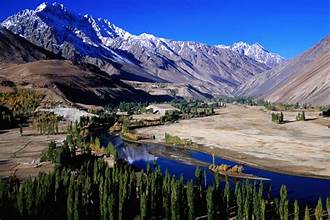
Each season in Gilgit-Baltistan paints a different masterpiece. Spring breathes new life into the valleys with apricot blossoms and fresh greenery. Summer brings mild temperatures and clear skies, perfect for trekking or boating. Autumn arrives with a burst of golden and crimson hues that blanket Hunza, Nagar, and Ghizer in color. Even winter, often quiet and cold, holds a serene beauty — villages wrapped in snow, lakes frozen into glass, and stars shining brighter than anywhere else on Earth. No matter the season, Gilgit-Baltistan offers a timeless invitation to experience peace, wonder, and awe.
For travelers seeking adventure, inspiration, or inner calm, Gilgit-Baltistan promises it all. Whether you trek through the Karakoram trails, wander ancient forts, or simply sit beside a glacial lake, the region reminds you how small yet blessed humanity is in the face of nature’s grandeur. Once you visit, you’ll understand why people call it a living paradise — a corner of the Earth where heaven truly touches down.