


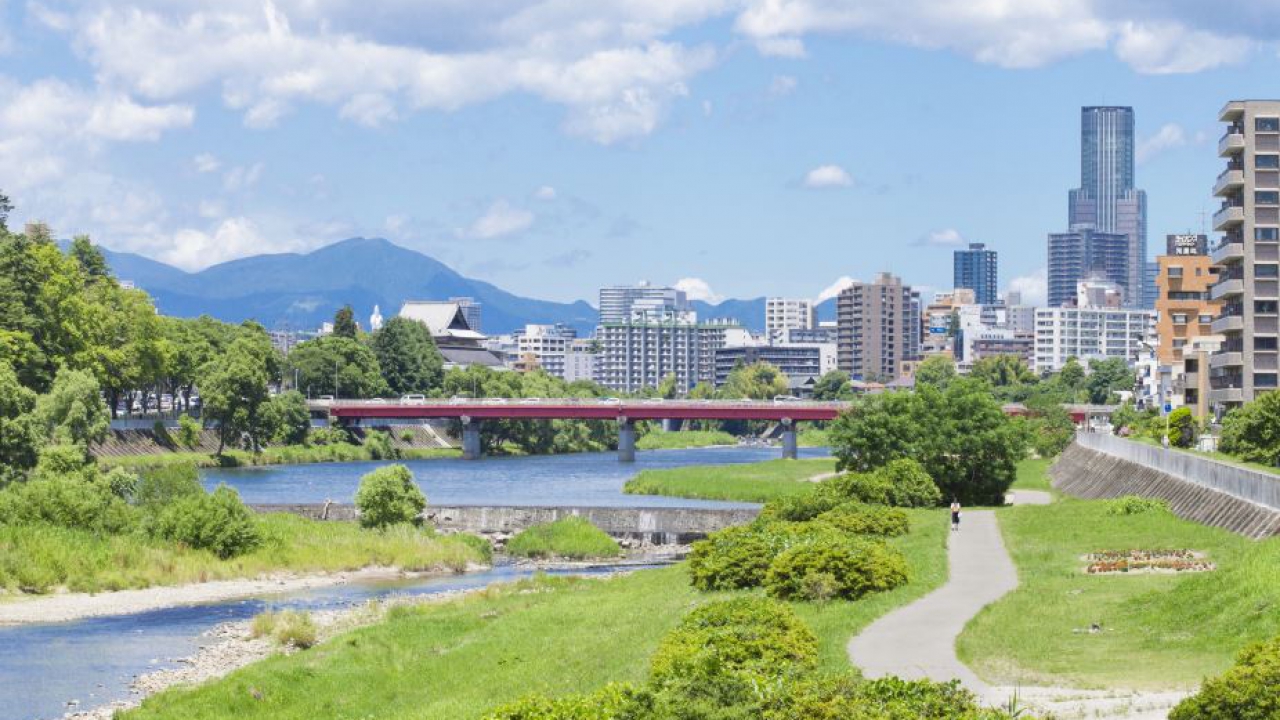
Sendai, the “City of Trees,” is a charming destination in Japan known for its rich history, cultural attractions, and natural beauty. One of the most famous spots is Zuihoden Mausoleum, where visitors can admire intricate architecture and learn about the Date Clan. The stunning Aoba Castle Ruins offer breathtaking views of the city, while Osaki Hachiman Shrine, a national treasure, is a must-see for its beautiful design.
Nature lovers will enjoy the peaceful Sendai Mediatheque and the serene Hirose River. Sendai is also a gateway to Matsushima Bay, one of Japan’s most scenic coastal areas, with its picturesque islands and temples. Explore these incredible places to discover the heart of Sendai!
Zuihoden Mausoleum
Description
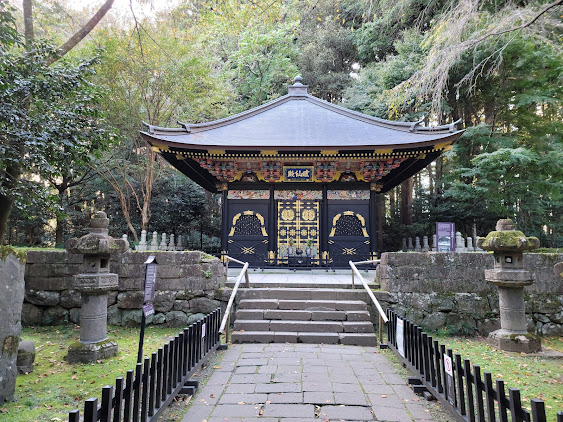
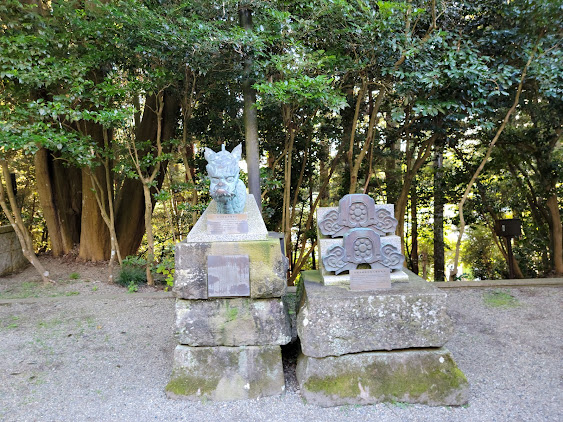
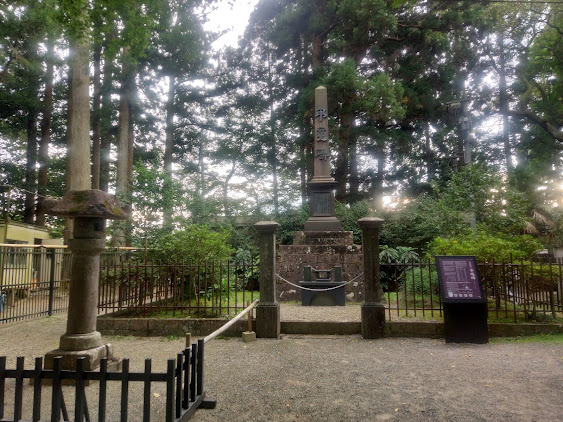
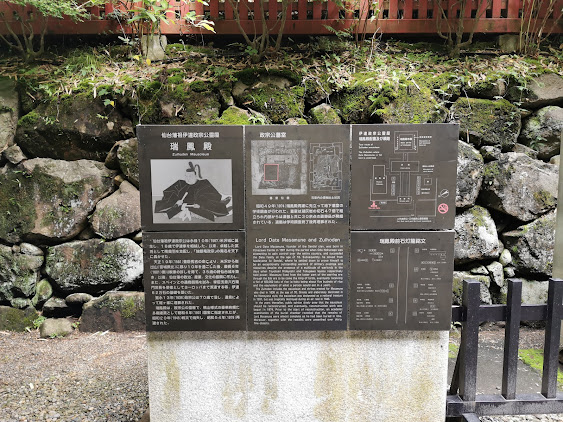
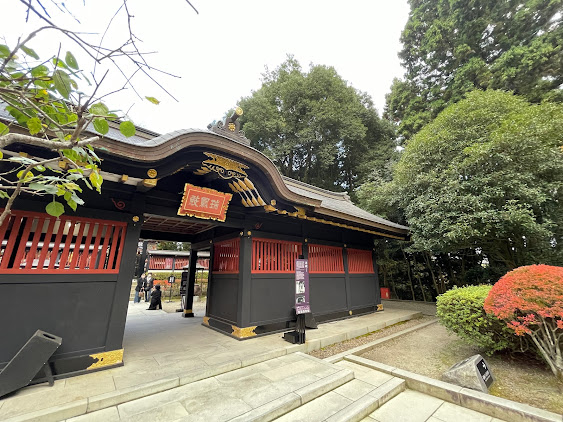
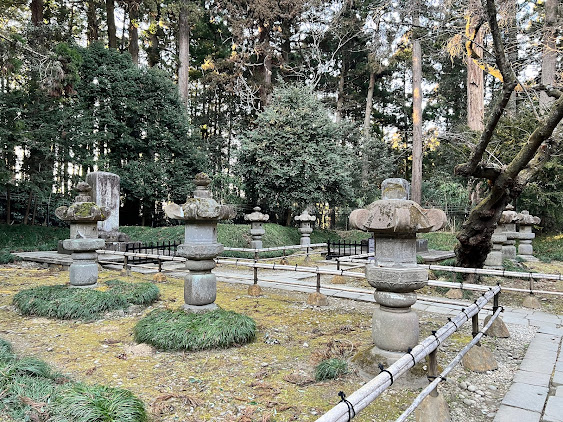
Zuihoden is the resting place of Date Masamune, the founder of Sendai. The mausoleum showcases intricate craftsmanship with beautiful wooden carvings and vibrant colors. The surrounding forest adds to its serene atmosphere.
Historical Significance
Built in 1637, Zuihoden reflects the architectural style of the Momoyama period. It was destroyed during WWII and reconstructed to preserve the legacy of the Date clan.
Location
23-2 Otamayashita, Aoba Ward, Sendai, Japan.
Traveling
Take a bus from Sendai Station to Zuihoden-mae.
Nearby Eateries
- Rikyu Zuihoden: Famous for gyutan (grilled beef tongue). Website
- Café Mozart: Serves coffee and light meals.
Cost
Adults ¥570, students ¥400, children ¥200.
Aoba Castle Ruins (Sendai Castle)
Description
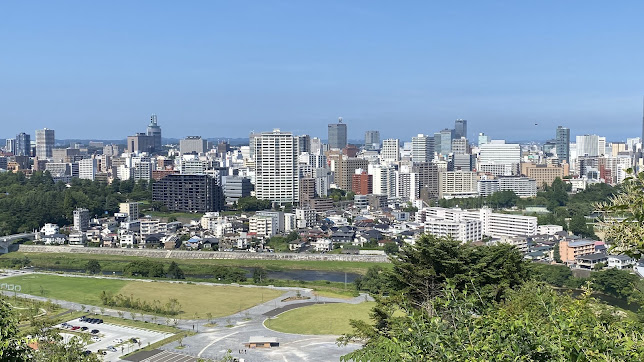
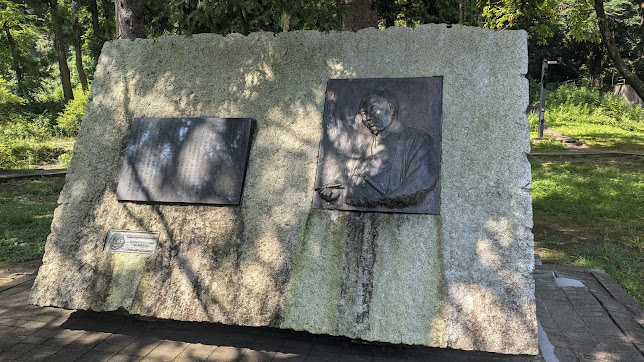
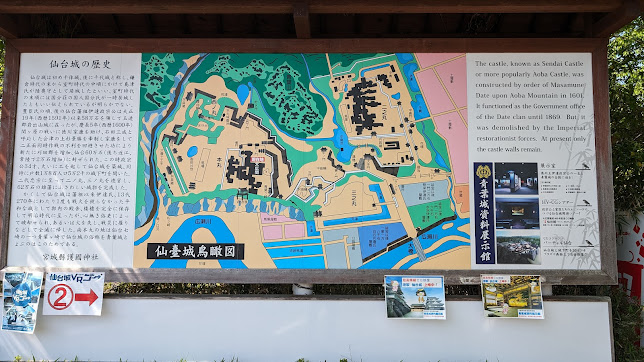
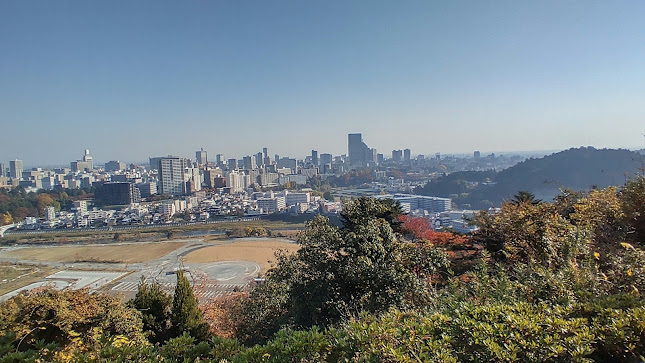
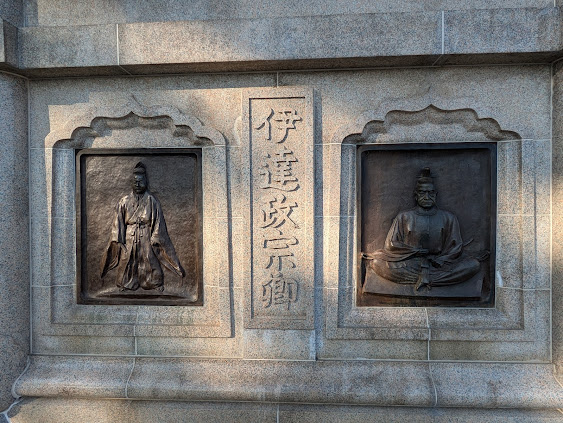
The Aoba Castle Ruins offer breathtaking views of Sendai and the Hirose River. Though the castle itself no longer exists, the site features stone walls, a statue of Date Masamune, and a small museum.
Historical Significance
Constructed in 1601 by Date Masamune, the castle served as the seat of power for the Sendai domain.
Location
1 Kawauchi, Aoba Ward, Sendai, Japan.
Traveling
Take a bus from Sendai Station to Aobajo Castle Stop.
Nearby Eateries
- Aoba Shokudo: Offers traditional Japanese dishes.
- Sendai Gyutan Yaki: Specializes in beef tongue dishes.
Cost
Free to visit the ruins. Museum admission ¥700.
Osaki Hachiman Shrine
Description
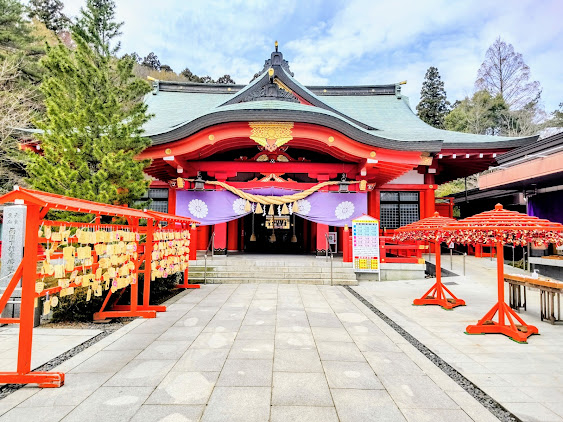
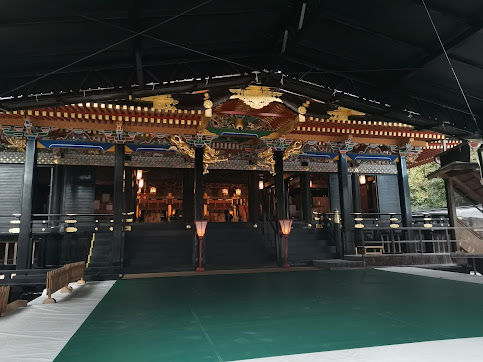
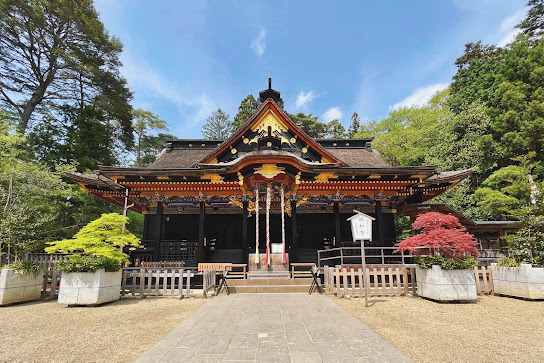
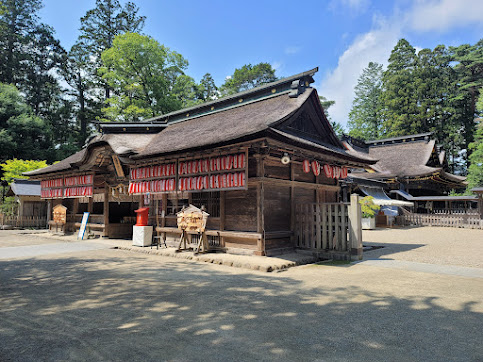
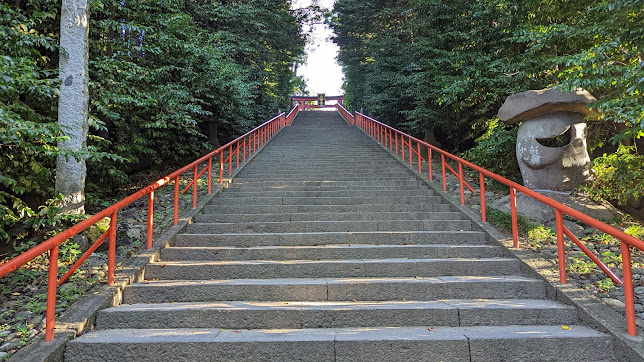
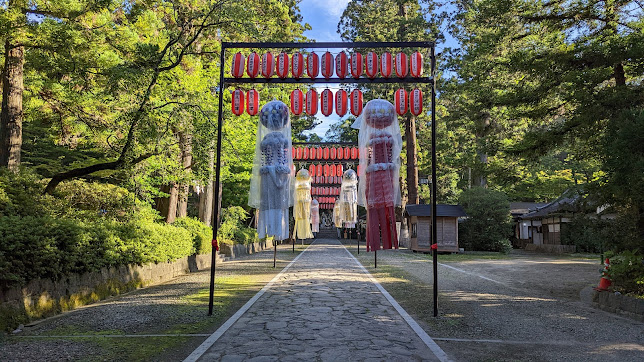
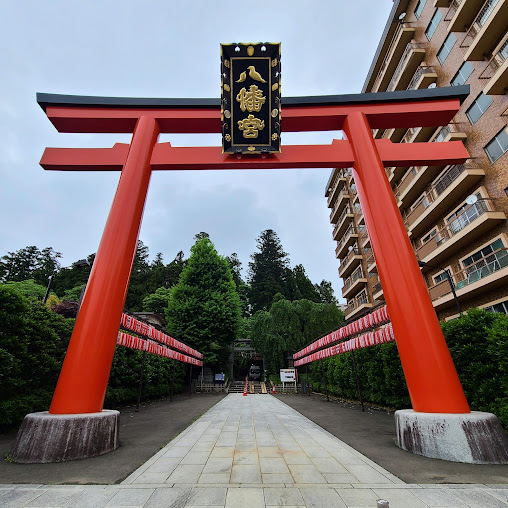
Osaki Hachiman Shrine is a beautifully preserved Shinto shrine known for its black lacquered and gold-leaf decorations. It’s surrounded by lush greenery, creating a peaceful atmosphere.
Historical Significance
Built in 1607, the shrine is a National Treasure of Japan. It’s dedicated to Hachiman, the god of war, and reflects the craftsmanship of the Date clan.
Location
4-6-1 Hachiman, Aoba Ward, Sendai, Japan.
Traveling
A 15-minute bus ride from Sendai Station.
Nearby Eateries
- Hachiman Chaya: Traditional sweets and tea.
- Nanbanya: Local udon and soba dishes.
Cost
Free to enter.
Sendai Mediatheque
Description
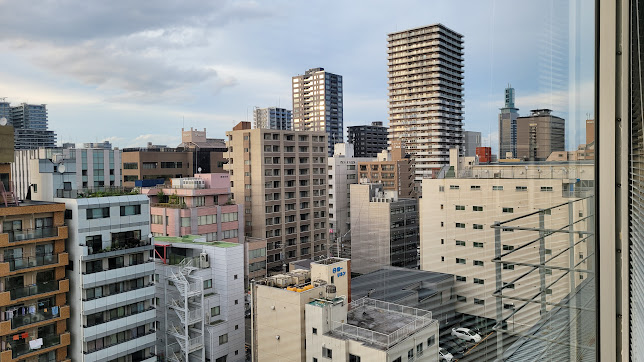
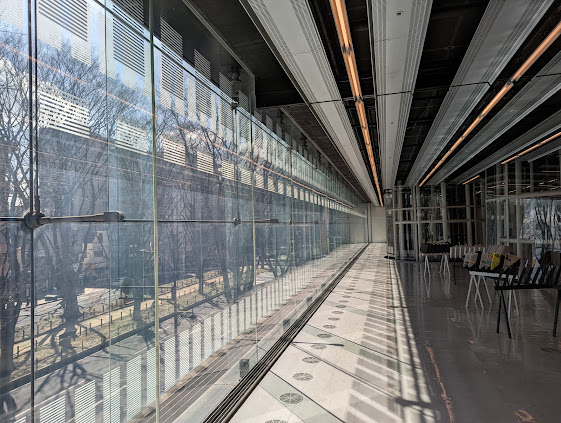
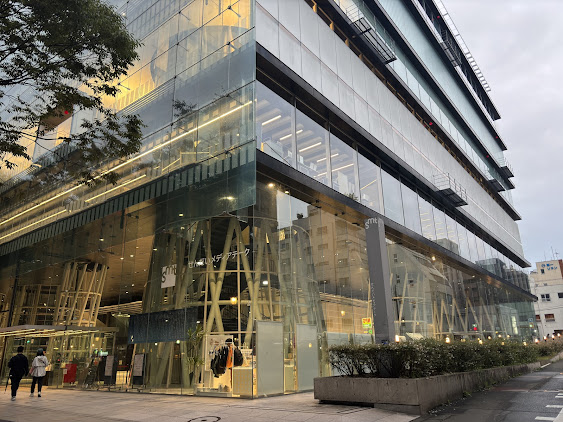
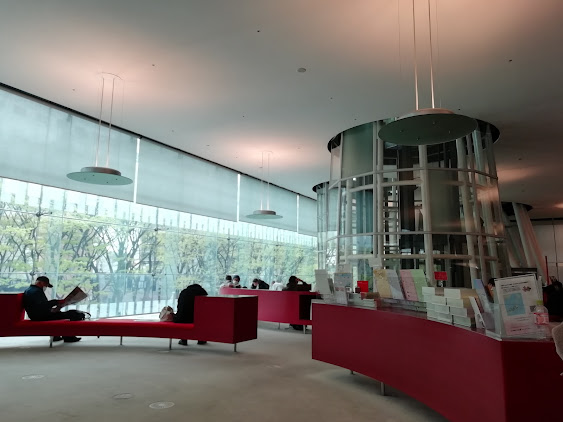
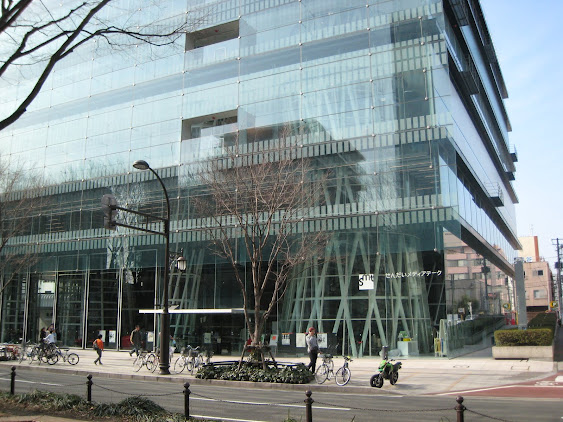
Sendai Mediatheque is a modern cultural center with art exhibitions, libraries, and media labs. Its unique glass structure is an architectural marvel.
Historical Significance
Opened in 2001, it represents Sendai’s commitment to art and technology.

Location
2-1 Kasuga-machi, Aoba Ward, Sendai, Japan.
Traveling
A 5-minute walk from Kotodai-Koen Subway Station.
Nearby Eateries
- Café Mozart Atelier: Stylish café with great coffee.
- T’s Tantan: Vegan ramen spot.
Cost
Free entry; some exhibitions may charge a fee.
Hirose River
Description
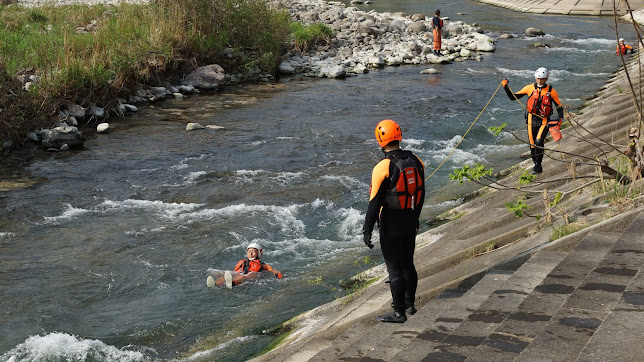
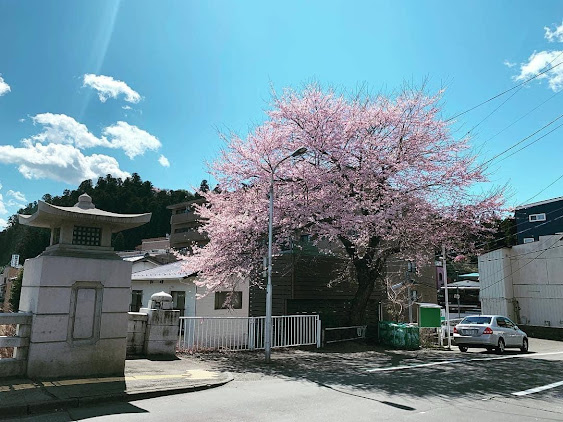
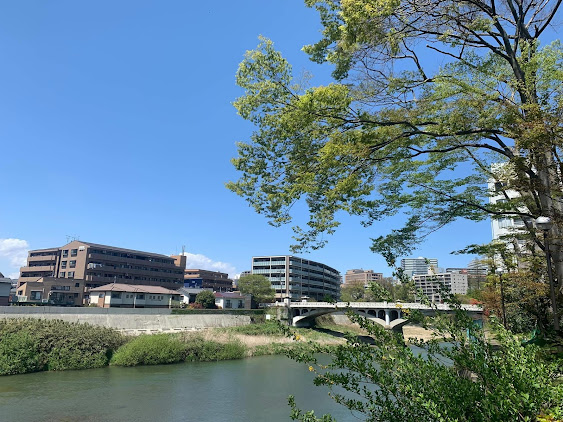
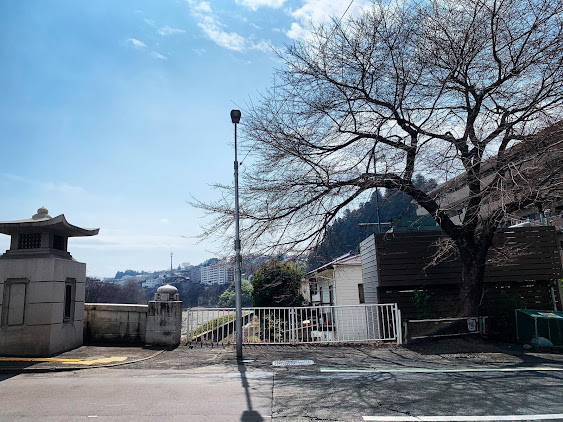
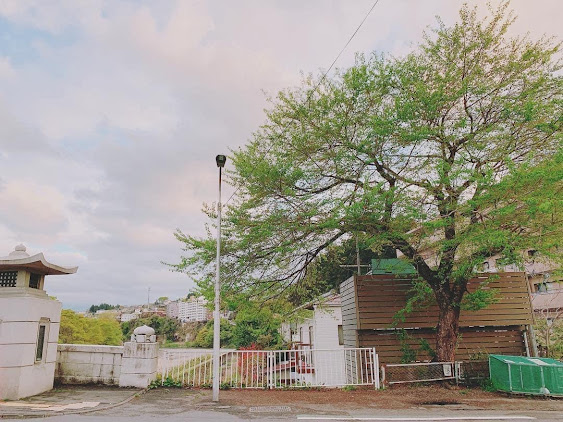
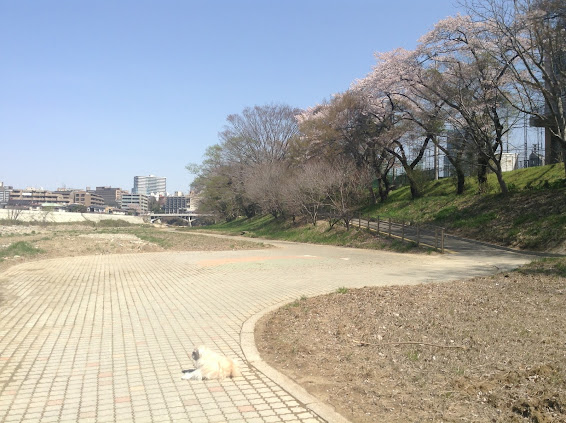
Hirose River flows through Sendai and is surrounded by scenic walking trails and lush greenery. It’s a popular spot for picnics and relaxation.
Historical Significance
The river has been an integral part of Sendai’s development and is often featured in haiku and poetry.
Location
Runs through central Sendai.
Traveling
Easily accessible from various parts of the city.
Nearby Eateries
- Café Mozart Figaro: Riverside café with a cozy vibe.
- Gyutan Ushi: Known for Sendai’s beef tongue dishes.
Cost
Free.
Matsushima Bay (nearby scenic spot)
Description
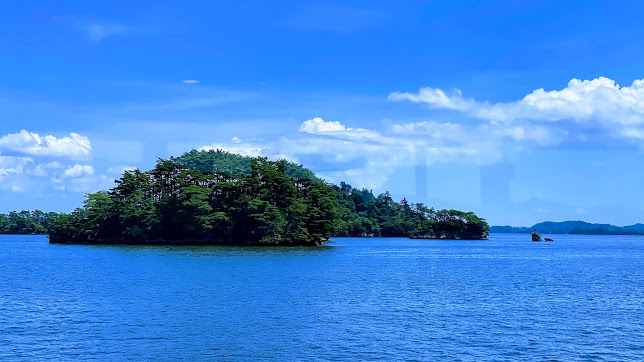
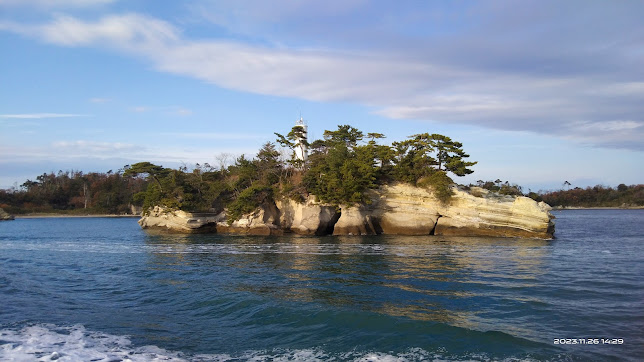
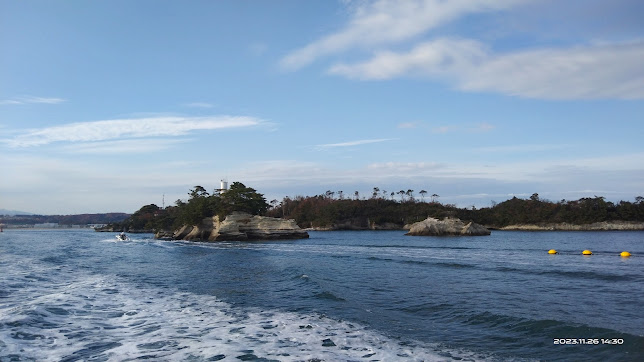
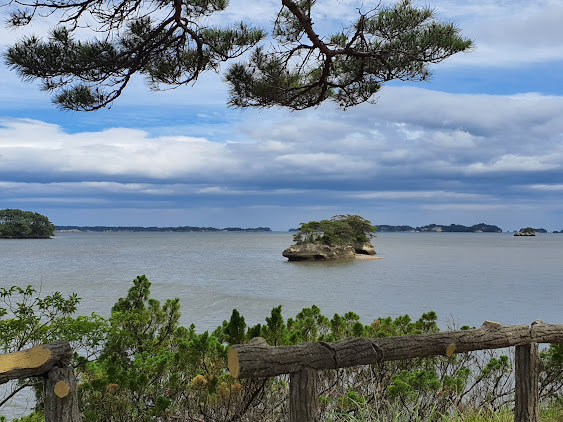
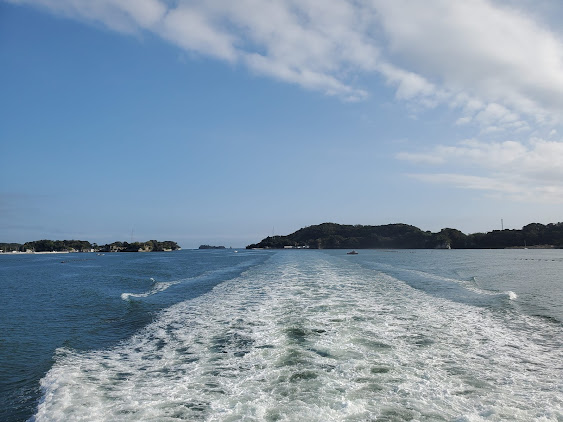
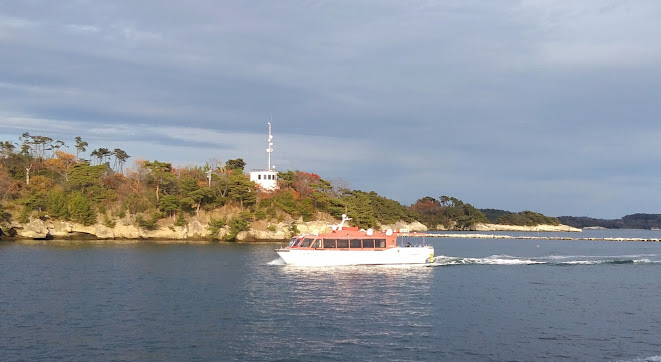
Matsushima Bay is one of Japan’s Three Most Scenic Views, featuring over 200 pine-covered islands. Boat tours are a popular way to explore the area.
Historical Significance
The bay has inspired poets and artists for centuries and remains a symbol of natural beauty in Japan.
Location
30 minutes by train from Sendai.
Traveling
Take the JR Senseki Line to Matsushima-Kaigan Station.
Nearby Eateries
- Kakigoya: Specializes in oysters.
- Matsushima Sushi: Fresh seafood dishes.
Cost
Boat tours start at ¥1,500.
Sendai Uminomori Aquarium
Description
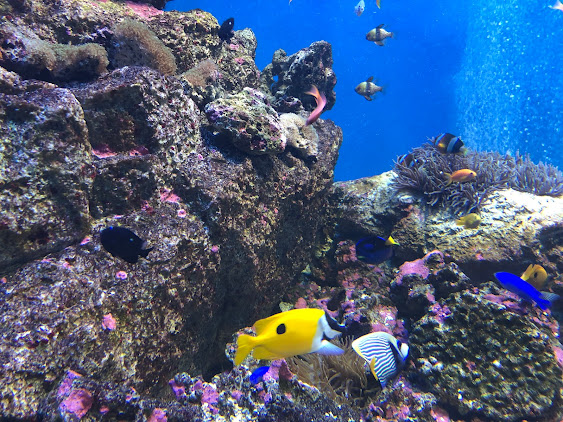
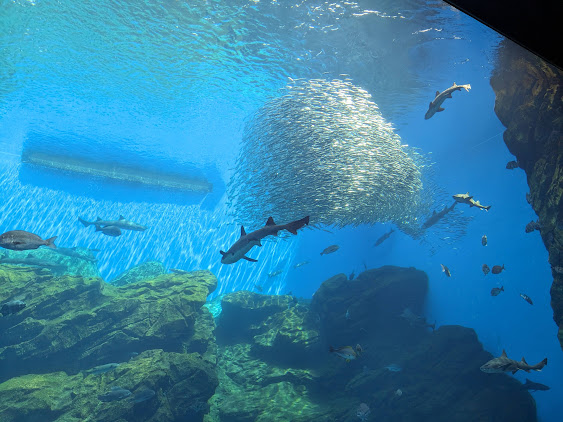
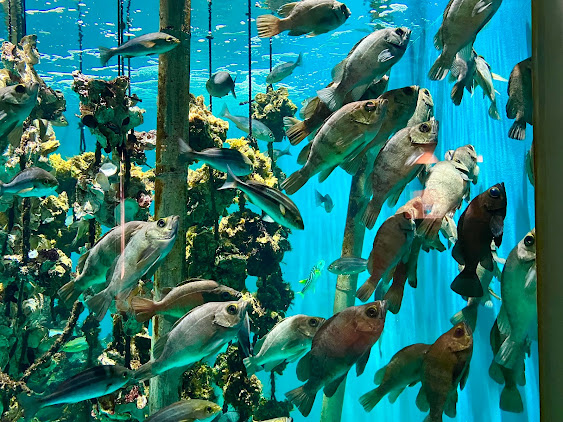
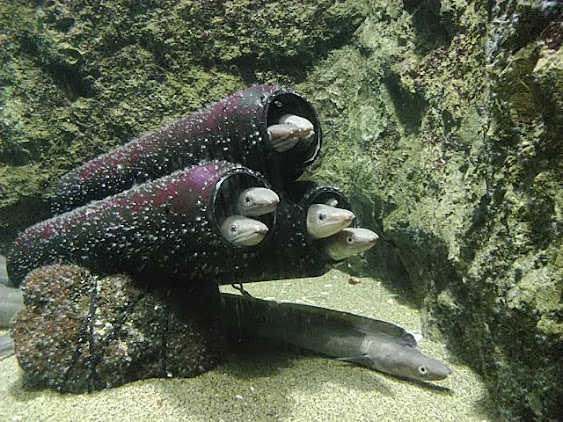
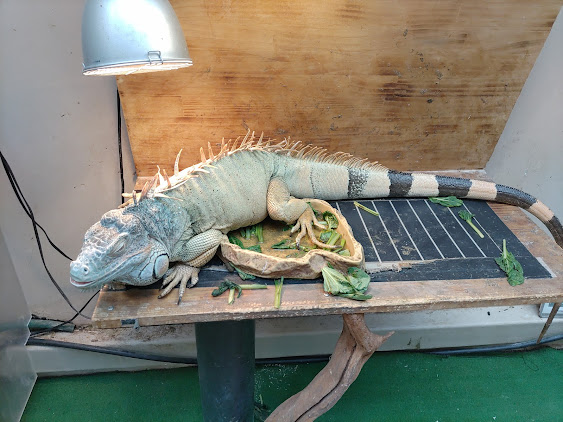
This modern aquarium showcases marine life from the Pacific Ocean and local Miyagi waters. Interactive exhibits and dolphin shows make it a family-friendly attraction.
Historical Significance
Opened in 2015, the aquarium highlights the region’s connection to the sea.

Location
4-6 Nakano, Miyagino Ward, Sendai, Japan.
Traveling
A short bus ride from Nakanosakae Station.
Nearby Eateries
- Aquarium Café: Quick snacks and drinks.
- Sendai Sushi: Local sushi options.
Cost
Adults ¥2,100, children ¥1,200.
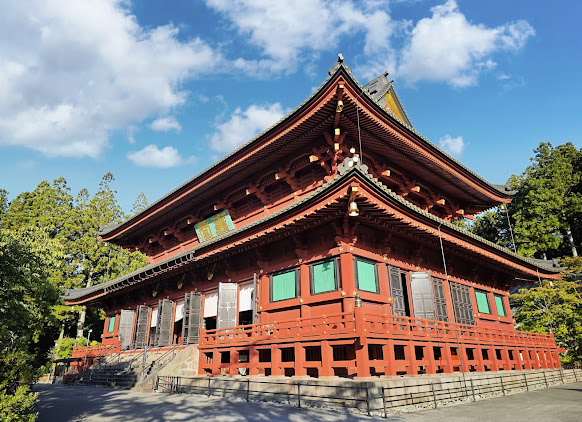
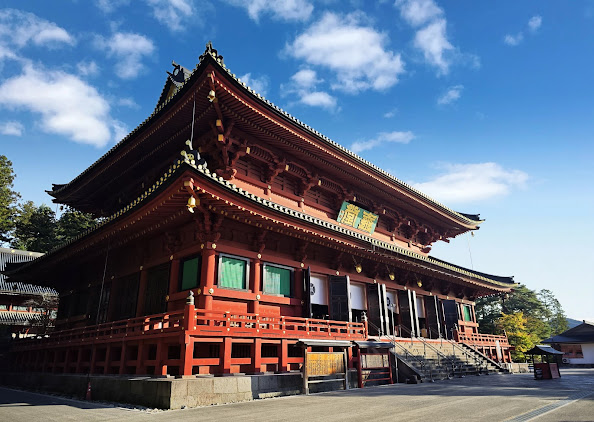
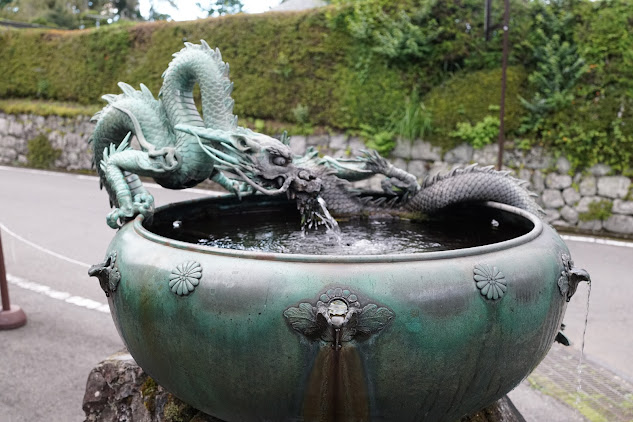
Rinnoji Temple
Description
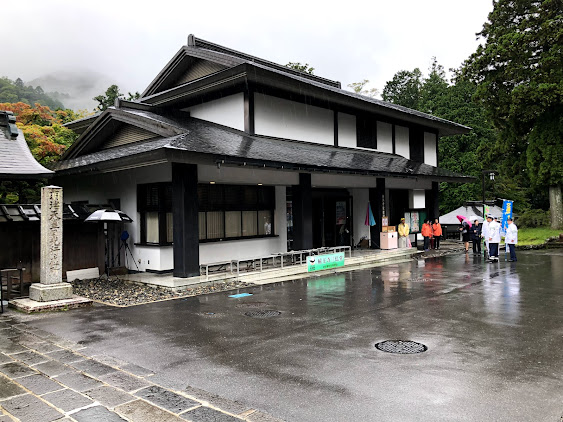
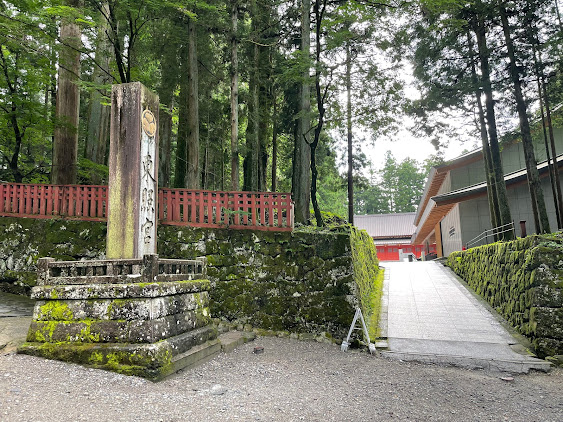
Rinnoji Temple is a peaceful Buddhist temple with a beautiful garden and pond. It’s especially stunning during the cherry blossom and autumn foliage seasons.
Historical Significance
Founded in the 15th century, the temple played a significant role in Sendai’s spiritual life.
Location
1-14-1 Kitayama, Aoba Ward, Sendai, Japan.
Traveling
A 15-minute taxi ride from Sendai Station.
Nearby Eateries
- Rinnoji Café: Traditional Japanese sweets.
- Sushi Tetsu: High-quality sushi dishes.
Cost
¥300 for garden entry.
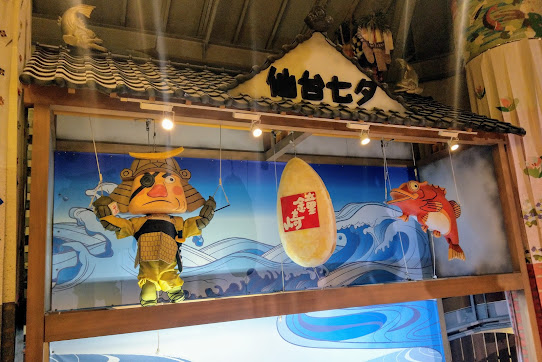
Sendai Tanabata Museum
Description
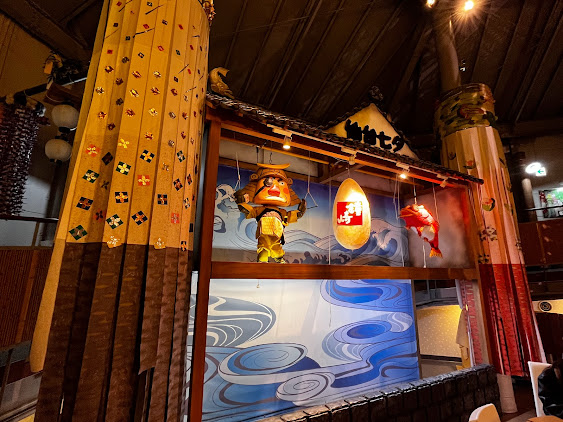
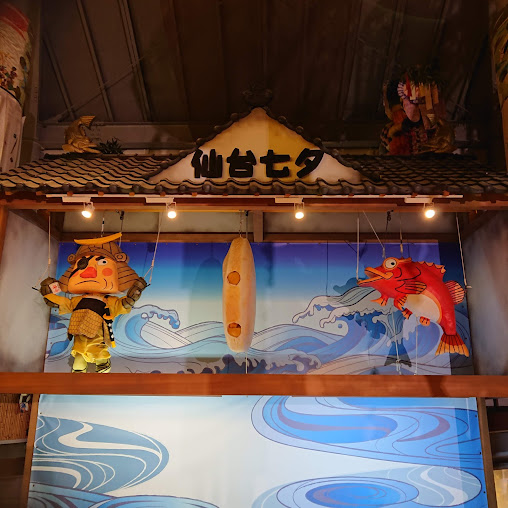
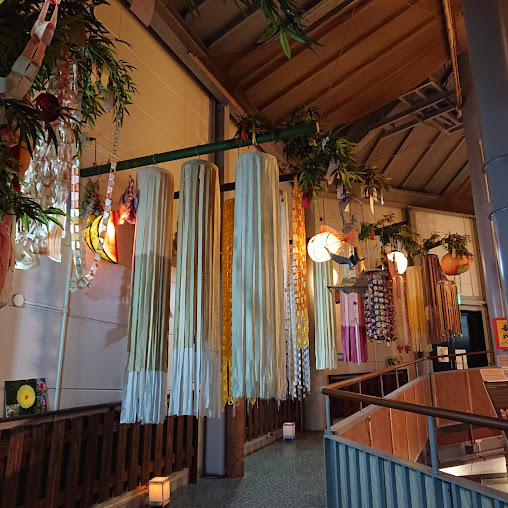
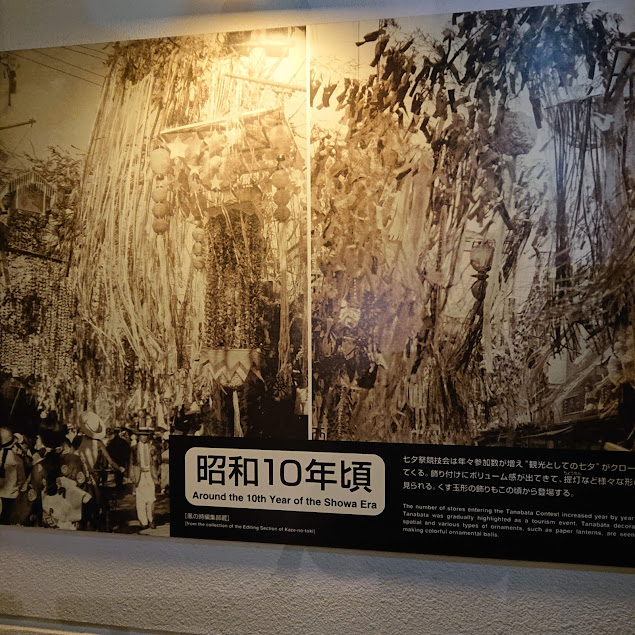
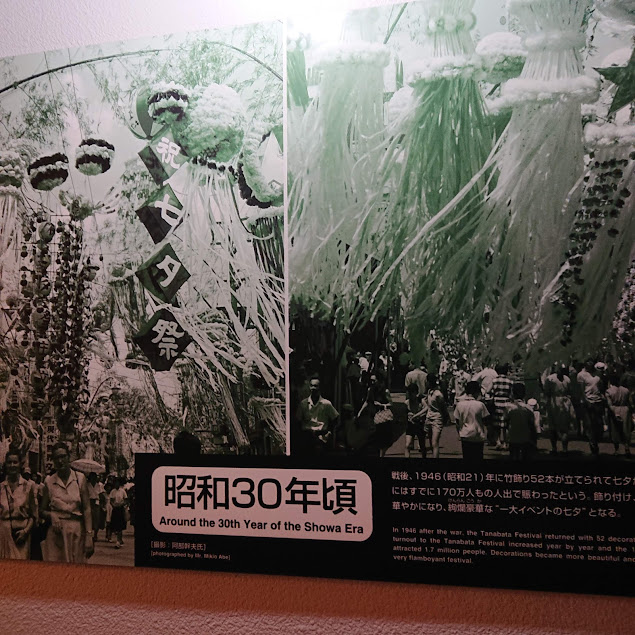
This museum celebrates Sendai’s famous Tanabata Festival, showcasing the history and making of its colorful decorations.
Historical Significance
The Tanabata Festival is one of Japan’s largest traditional celebrations, dating back to the Edo period.
Location
1-2-2 Ichibancho, Aoba Ward, Sendai, Japan.
Traveling
A 10-minute walk from Sendai Station.
Nearby Eateries
- Ichibancho Street Cafés: A variety of local and international options.
- Gyutan Rikyu: Famous for beef tongue dishes.
Cost
Adults ¥500, children ¥200.
